Archive for 2025:

Top 5 Branded Videos of the Week: ACE Family fallout, MrBeast gold, and a free day at Disney

Welcome to our rundown of the most-watched branded YouTube videos of the week.

We’re publishing this snippet of a larger Gospel Stats Weekly Brand Report in order to analyze sponsorship trends in the creator economy. Any video launched in tandem with an official brand partner is eligible for the ranking.

And – as the name up above would imply – all the data comes from Gospel Stats. If you’re interested in learning more about Gospel – and which brands are sponsoring what creators on YouTube – click here.


In this week’s report, we have the return of ACE Family matriarch Catherine Paiz, MrBeast giving away $50K in solid gold Moose Toys, Veritasium doing physics with one of the greatest football players of all time, Druski on his new beat, and a Disney vacation that will cost you nothing–so long as you’re content watching from afar.

Check ’em all out right here:

#1 Catherine Paiz: My Husband Cheated with 20 Women (Full Episode)
Channel: Call Her Daddy
Brand: White Claw, Tinder
Views: 10,030,791

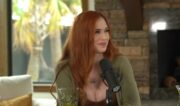
Alex Cooper‘s Call Her Daddy podcast got a shout-out in last week’s Brand Report, because she–alongside MrBeast–snapped up a sponsorship from T-Mobile. But this week? She’s getting a shout-out because the latest episode of her show is on top, racking up ~10 million views. Call Her Daddy is one of the biggest audio shows in the world, but it usually gets attention on Spotify over YouTube. Why the change this week? Well, Cooper’s guest is Catherine Paiz, who was once matriarch of The ACE Family vlog channel with (now ex) husband Austin McBroom. The duo announced their divorce in 2022, after months fraught with legal and personal allegations. Now, for the first time since, Paiz is speaking publicly about the end of her and McBroom’s relationship–with Cooper there to document it all. And it’s sponsored by Tinder, so anyone else who’s been in Paiz’s situation and wants to get a fresh start might be inspired to look there (though results aren’t guaranteed).

#2 How to Win a $10,000 Gold Swarm
Channel: MrBeast 2
Brand: Moose Toys
Views: 4,672,075

For the first time we can remember, MrBeast is in second place twice. Normally he’s an unbeatable #1 for view count, but just like last week’s #2 video, this week’s comes from his secondary channel, MrBeast 2, where he has only (“only”) 50 million subscribers, compared to the 400 million on his main channel. This is also the second week in a row that he’s made our Brand Report with a Short. This one is sponsored by his merch partner Moose Toys, who produces the MrBeast Lab Swarms toys. And, according to Jimmy, he’s willing to top off five people’s Swarms collections with a special solid gold Swarm worth $10,000…if they can prove their hoards are the best. It’s a smart marketing move, and a smart control for the giveaway: getting people to show off their collections on TikTok and YouTube means the prize will be going to folks who actually collect his toys, and aren’t just looking to flip the little gold man at their local Pawn Stars.

#3 The Biggest Misconception in Football
Channel: Veritasium
Brand: NordVPN
Views: 4,568,554

These days, if there’s two kinds of content you can count on to perform well on YouTube, it’s science and sports. And, in the ultimate nerd-jock alliance, STEM whiz Veritasium has tagged in the man who’s widely considered the best quarterback of all time: Tom Brady. They’re out to do one thing: record Brady’s world-class throws in slow motion, and see what’s going on with the physics of it all. As you may know, the aim for any quarterback is to throw a tight spiral, which makes the ball maximum aerodynamic and also gives the QB maximum control over where it goes. But Veritasium’s recordings showed something unexpected. Even Brady doesn’t throw a perfect spiral. What does that mean? Are spirals really necessary? They’ll find out together, with frequent YouTube sponsor NordVPN paying for their trip to the field.

#4 Coulda Been Records PHILADELPHIA Auditions hosted by Druski
Channel: Druski
Brand: PrizePicks
Views: 4,524,612

Druski‘s YouTube reality show Coulda Been Love spent several weeks on our Brand Reports, but now that it’s over, he’s moved on to another competition: Coulda Been Records, a satire-soaked American Idol for the digital age. For this show, Druski goes round hosting auditions for his fake record label, and “signs” people based more on vibes and grindset than actual singing talent. As is common with his productions, things get dramatic as hundreds of people from Philadelphia gather for a shot at “stardom.” The episode is sponsored by fantasy sports company PrizePicks, which has been all over YouTube for months now. This week alone, it sponsored ~40 videos.

BONUS #2,882 🔴Live: Magical Monday at Epcot – Rides, Shopping & More – Walt Disney World Live Stream
Channel: ResortTV1
Brand: Layer1 Technology, David’s Vacation Club Rentals, MickeyBlog.com, MickeyTravels, Behind the Ride
Views: 27,702

https://youtube.com/watch?v=SKNTPj5C2e0

Disney FOMO advertising is kicking in hard. It launched summer digital marketing by partnering with Blippi, who took kids on tours of the Mouse House’s various parks and the Disney Wish, showing them how their summer could look, if only their parents would cough up the cash. But even when Disney isn’t directly sponsoring videos, Disney Adults will fill in for it. For our bonus vid, we plucked #2,882, which is a three-hour livestream from Epcot. In it, the folks behind ResortTV1 head through the park, giving viewers the full experience: rides, shopping, dining, and more. Their trip is sponsored by a bevy of Disney-related businesses: David’s Vacation Club Rentals, MickeyBlog.com, MickeyTravels, and Behind the Ride. All of these companies make their revenue by circling the Disney bubble–and with the off-school months kicking into high gear, no doubt they’re hoping parents (and fellow Disney Adults) will use their services once the vicarious visits aren’t enough.


…and there’s a lot more data where that came from. If you’re interested in learning more about Gospel – and which brands are sponsoring what creators on YouTube – click here.


YouTube tells moderators to ease up on political, social, and cultural content

YouTube wants to be a forum for political debate, so it’s relaxing some rules that affect many content creators in that category. In recent months, the platform has advised human moderators to take down fewer videos that contain misinformation, derogatory language, and other forms of violative content.

Previously, videos considered to be in the “public interest” were removed if more than a quarter of the video violated YouTube’s rules. Now, the threshold has been raised to a half-video, according to The New York Times.

YouTube hasn’t made a public announcement regarding this policy update, but it has started training moderators to follow its new standards, as seen in materials reviewed by the Times. A YouTube spokesperson told the Times that YouTube often adjusts its rules for moderators; as an example, she noted how policies surrounding COVID misinformation have been softened since the height of the pandemic.

“Recognizing that the definition of ‘public interest’ is always evolving, we update our guidance for these exceptions to reflect the new types of discussion we see on the platform today,” the spokesperson said in a statement. “Our goal remains the same: to protect free expression on YouTube while mitigating egregious harm.”

News channels’ issues with YouTube moderation date back at least as far as the 2017 “adpocalypse,” when tighter enforcement of platform rules led to a wave of demonetizations and takedown notices. At the time, YouTube’s critics argued that they couldn’t even invoke hot-button issues like gun violence or hate speech without having their channels restricted. To them, policies that were designed to curb bad actors were silencing middle-of-the-road commentators as a side effect.

Eight years later, top tech companies and their creator communities have more political influence than ever before. YouTube is interested in promoting the political discussions that sparked the so-called “influencer election,” and the slackened moderation guidelines are part of that promotional effort.

Or, in other words: YouTube doesn’t want to be Twitch, which has earned a reputation for overzealously policing its library of political content. Hasan Piker’s Twitch channel has become a cultural force, but the progressive voice has earned numerous bans after invoking sensitive subjects on stream. YouTube wants its community of politicos to speak their minds without fearing retribution.

YouTube’s change is good news for creators who comment on political, social, and cultural issues, but it also potentially benefits the platform as well. Since Donald Trump‘s return to the White House, tech companies like Meta have rolled back policies that were previously used to root out electoral misinformation. YouTube, which made the controversial decision to end its ban on 2020 election conspiracy theories, has shown its willingness to accede to Trump intimidation tactics.

Now, by allowing more misinformation to remain in videos, YouTube is giving even more fuel to creators who peddle unverified and inaccurate takes (and making bank along the way). It just so happens that a lot of creators who engage in that behavior do so via video podcasts, and YouTube is eager to grow its podcasting presence. That doesn’t seem like a coincidence.

The decision to further encourage all sorts of truthers will no doubt lead to more criticism of YouTube from fact-checking organizations like Poynter. In response, YouTube could remind its detractors that it is hardly giving up on moderation. Over the first three months of this year, the platform removed 192,586 videos because of hateful and abusive content, good for a 22% year-over-year increase.

Will social media companies continue to play by Trump’s rules? Perhaps, now that the President and Elon Musk have had a falling out, X will reverse course by putting the clamps on misleading rhetoric. That still feels like a long shot — but could you imagine?

Have you heard? The Padres embrace egirls, $100K Beast Games tours, and a Disney fail

Each week, we handpick a selection of stories to give you a snapshot of trends, updates, business moves, and more from around the creator industry. This week, we have an MLB team getting anime babes, Roblox bulking its burgeoning ad division, MrBeast (maybe) raising $4 million for charity, and Disney loses its YouTube lawsuit.

The biz

Roblox’s burgeoning ad division has a new engineer. After introducing programmatic ads around a year ago, Roblox continues building out the offering (to the chagrin of some independent game developer studios), from a partnership with Google to upcoming campaign performance metrics from Nielsen. Now it’s tapped former Cabify and Mercado Libre exec Sebastian Barrios as Engineering Lead for User, Discovery, Ads & Brands, and Economy. That’s a lot of depts to juggle, which says to us that Roblox has high expectations for how this whole ad push will go.

Fanfix gets a new co-CEO. Dylan Harari, Head of Creators at SuperOrdinary (the company that collabs with creators to make custom consumer goods), has joined direct-to-fan subscription/monetization platform Fanfix. While continuing his position at SuperOrdinary, he’ll lead Fanfix alongside co-founder and co-CEO Simon Pompan. Fanfix says it now has 15 million active users, and is “approaching $170 million in creator payouts.”

V10 gets sporty. The company that owns America’s Funniest Home Videos (and runs a thriving business licensing clips to reaction/compilation content creators) has bought Towerhouse, which builds and operates YouTube channels for rightsholders sports, fitness, racing, and anime spaces. Towerhouse was founded in 2021 by former YouTube and WarnerMedia exec Parker Jones, and has nabbed partners like Women’s Sports Network, Comics Explained, Olympian gymnast Ian Gunther, and fitness icon Ronnie Colema. Now? It adds a certain sporty something to V10’s portfolio.

Creator commotion

The sports x esports crossover we’ve been waiting for. The San Diego Padres threw normies a curveball by partnering with gacha video game Goddess of Victory: Nikke. And to celebrate that partnership, Twitch streamer Emiru will show up at the June 10 Padres vs Dodgers game to throw the first pitch–while dressed in full cosplay.

Addison gets an album. She made a name for herself dancing on TikTok, but now Addison Rae is on the verge of becoming a full-fledged pop star, according to The New York Times. Her first album, Addison, comes out from Columbia Records this week.

Usain’s always had speed, but now he has Speed. At this year’s Brandcast, IShowSpeed used his time onstage to announce his next project, Speed Goes Pro, where he’ll get private lessons from some of the biggest athletes in the world. But prepping to interact with some of the biggest athlete celebs in the world didn’t stop him from getting fanboy giddy when multi-Olympic gold medalist sprinter Usain Bolt offered to coach him personally.

Want a tour of the set for Beast Games 2? That’ll be $100K. MrBeast’s Amazon show was renewed for two more seasons, and before filming even begins, he’s finding a way to (charitably) monetize Season 2. He’s offering a “VIP Experience” where up to 40 donors can pay $100K each. The money will go to his Beast Philanthropy organization, and in exchange, donors will get “an exclusive, immersive weekend designed for people who believe in the power of giving back.” If all 40 spots are booked, that’s a cool $4 mil for good causes.

Asmongold made what? Kick is always trying to prove it’s better than Twitch, and Asmongold is helping spread that message. He joined Kick this week, and within two days and about ~13 hours of live streaming time, had made nearly $40,000. In the previous month on Twitch, he’d made $32,371. Is that run rate (and the 95/5 creator/Kick revenue split it represents) sustainable in the long-term? Who knows–but for now, this shows some Kick creators are raking it in.

Platform headlines

Nice try, Disney. The Mouse House speedran losing a lawsuit after trying to keep YouTube from hiring one of its longtime executives. It filed suit just two weeks ago, on the same day YouTube announced it was bringing in Justin Connolly to manage relationships with major media companies and run its burgeoning live sports division. Disney accused YouTube of getting Connolly to break his employment agreement, and said Connolly might share sensitive info and trade secrets. But a California Superior Court Judge denied Disney’s request, saying the megacorp “has not demonstrated a probability of success” with its case. Better luck next time, buddy.

Trump will probably give TikTok more breathing room…again. The Donald is in favor of extending TikTok’s June 19 deadline to divest from owner ByteDance, according to The Wall Street Journal. That’s a much-needed break, because it looks like ByteDance is unwilling to deal until the tariff situation is resolved. Oops?

Podcasts are making bank on Patreon. While YouTube and Spotify fight over whose audio content roster is bigger and better, showrunners are turning to Patreon to monetize their audiences off-platform. It’s rare that we see candid revenue figures from these sorts of direct-to-fan subscriptions, but Business Insider managed to snag some by talking to podcasters making $2K, $59K, and $242K on Patreon per month.

Starbucks wants two creators on its payroll for a 12-month, round-the-world content gig

So this is becoming a thing, huh?

Earlier this week, we wrote about how cosmetics company Ulta Beauty is establishing an ambassador program where it finds and nurtures employees who were already making content about their jobs. Called “Ulta Beauties,” the program has accepted ~30 staffers so far, from cashiers to general managers, and is paying them to make two pieces of content per month, plus sending them on a bunch of biz dev experiences.

Now Starbucks is doing something similar–except instead of accepting a bunch of ambassador employees, it’s only accepting one.

The international café brand just opened a new position: Global Coffee Creator. It’s a 12-month job that will send two people–one an established Starbucks employee, one an external hire–around the world to “Milan, Tokyo, Colombia, Dubai, Costa Rica, and more,” where they’ll make content that captures “the local culture, community and atmosphere surrounding each Starbucks location.”

“Your mission? Help us show the world why Starbucks coffee hits different,” Starbucks said in the gig description. “This is more than a job; it’s a chance to immerse yourself in the world of coffee, meet new people and see new places. If you’re ready to pack your bags and share the Starbucks experience through a fresh lens, we’d love to hear from you.”

Both creators will be paid a full-time salary, with travel comped by Delta and hotel stays handled by Marriott Bonvoy.

Unlike Ulta, Starbucks doesn’t require that its Global Coffee Creators be significantly followed content-makers already. Instead, it asks that they show “strong creativity and storytelling abilities,” along with proficiency in using editing tools on platforms like TikTok and Instagram. They also have to be comfortable on camera and show “strong interpersonal and cross-cultural skills, with the ability to represent the brand and adhere to company policies and standards.”

Applications for this position are open through June 13; to apply, both Starbucks employees and potential outside hires have to make a TikTok video showing why they’re a “coffee-obsessed, chronically online, world traveler.”

This trend with companies is an interesting one. We’ve seen creators like Dude Perfect and MrBeast talk about how they want to establish longer-term relationships with brands, where they become de facto ambassadors, and in exchange, the brand pays for multiple videos, plus things like activations and even product collabs.

With Ulta and Starbucks, it’s clear brands are looking for the same thing. They want creators on their payroll, making regular installments of high-quality, brand-friendly content that gets approved by corporate before it goes live. This gives companies a way to tap creators for the long-term, instead of having to seek, vet, and instruct new influencer partners for every campaign. It’s a win-win for both creators and companies–so long as creators are being compensated fairly.

Content creators can now speak directly to Congress. What will that accomplish?

After nearly a year of lobbying for the creator economy on Capitol Hill, MatPat and Stephanie Patrick have joined the official Congressional Creators Caucus, launched by Reps. Yvette Clarke (D-NY) and Beth Van Duyne (R-TX).

The caucus, which includes Clarke, Van Duyne, other reps, and multiple creators like the Patricks, plans to educate not-so-internet-savvy members of Congress about how economically and socially significant the content creation industry has become–and how the people powering it need more support and protection.

“As digital content creators’ online presence continues to reach billions globally, Congress must work to ensure resources and protections are in place to support their success in this new era of start-ups,” Clarke said in a statement. “Congress has a responsibility to meet this moment. That is why I am proud to establish this caucus as a first-of-its-kind bipartisan forum for content creators and Congress to work together to address the challenges they face as nontraditional small business owners. Creators’ voices deserve to be heard throughout the policy-making process, and the Creators Caucus is the key to ensuring they are.”

Van Duyne added, “The Creators Caucus hopes to bring better understanding to how these developing small businesses are operating, what struggles they face, and how Congress can work with them to foster growth, opportunity, safety, and security for our digital creators and their viewers alike.”

The caucus is supported by YouTube and Patreon, both of which have played major roles in driving revenue for creators. They’ve also helped drive the overall creator economy to its current size: $250 billion annually.

YouTube is a particularly weighty voice here; for years, it’s run studies showing its contribution to the U.S. economy. The most recent report, from Oxford Economics, showed that YouTube contributed over $45 billion to the U.S.’s GDP in 2023, and supported the equivalent of 430,000 full-time jobs. With the way the creator economy has expanded over the past two years, it’s almost certainly contributing even more now.

“The creator economy is a powerful economic engine in the United States, making significant contributions to GDP and job growth,” Alexandra Veitch, YouTube’s Senior Director of Government Affairs & Public Policy, said. “Creators are building business, growing audiences, and sharing their voices online. We are thankful to Representatives Clarke and Van Duyne for launching the Congressional Creators Caucus and look forward to continuing the work to support the growing creator ecosystem.”

When MatPat–who stepped down from hosting his popular Theorist channels in 2024–first began lobbying, he said things were dire. In one case, a legislator opened their session with, “Question one, what is Roku, and how is it different from YouTube?”

As we wrote at the time, these misunderstandings (which have notably cropped up in hearings with Meta and TikTok executives) seem silly on the surface. They make for a full day of memes on the site that used to be Twitter, with users banding together to mock how out of touch our leaders are.

But this complete lack of knowledge is a serious problem. Our industry is a force to be reckoned with, and right now, it receives very little consideration for things like tax laws and regulatory bills. Legislators often introduce bills that will affect the internet en masse, and while those bills rarely pass, if they did, they could send devastating ripples through a population that already relies on unsteady income. Meanwhile, creators have unique tax issues that are understood by few professionals.

Hopefully, with a real, established, official caucus in place, representatives will begin to learn more about creators. Pitching them as small business owners is smart; not only is that accurate, but it catches the ears of lawmakers who know supporting small biz is a surefire way to please constituents.

MrBeast taps former YouTube, TikTok, and Meta exec to get him more brand and media partnerships

MrBeast is expanding his ops team in a big way. Former YouTube, Meta, and TikTok exec Beau Avril is joining as his new Senior Vice President and Global Head of Media & Brand Partnerships.

“TikTok has been a truly extraordinary chapter in my career,” Avril wrote on LinkedIn. “It’s one that has been filled with creativity, innovation, and most importantly, amazing people. I’m deeply grateful for the opportunity to have worked alongside some of the industry’s best, launching market-moving solutions that have delivered incredible success for brands, creators and publishers!”

Avril joined TikTok in March 2024 as its Director of Global Product Solutions for Brand & Video, and by the time he left to head for Camp MrBeast, he was Director of Global Product Solutions for Agency & Accounts.

He also spent two years as Director of Product Marketing at Meta, and from 2017 to 2019 was YouTube’s Global Head of Sales & Business Operations for the influencer marketing hub that used to be called FameBit, and is now BrandConnect.

YouTube’s parent Google acquired FameBit in October 2016, after the startup caught its attention by spawning over 25,000 sponsored videos. FameBit’s main function was serving as a matchup marketplace where creators and brands could find one another for partnerships. The following summer, Google installed Avril as FameBit’s lead, where he oversaw all business operations, expanded the platform from self-service to full-service, and snagged partners like Hershey’s, Nike, Calvin Klein, Procter & Gamble, and Warner Bros. He left in 2019, just before FameBit was renamed BrandConnect. (And BrandConnect is still receiving tweaks, btw; YouTube recently announced some new improvements for campaign management and analysis.)

We already knew MrBeast, like other top creators, is seeking weightier brand partnerships. In recent weeks, for example, he debuted an ongoing, multivideo sponsorship with jerky brand Jack Link’s. And considering he’s already (charitably) monetizing Beast Games 2 by charging people $100K to tour the set, he might be looking for brands to sponsor content around that production, too.

But bringing in someone of Avril’s pedigree to lead media and brand partnerships shows MrBeast is likely not only looking at sponsorships for YouTube content–he’s also eyeing long-term relationships with streamers like Prime Video.

“Joining MrBeast is an incredible opportunity to combine my passions for creator-driven media, innovative brand partnerships, product marketing, cross-platform solutions, and building high-performing organizations,” Avril said. “I’m so incredibly excited to join a company that is at the forefront of reshaping entertainment and brand engagement, led by the world’s largest and most influential creator Jimmy Donaldson […] I’m truly inspired by the commitment that this team has to one-of-a-kind storytelling, philanthropy, and to making a positive difference in the world.”

Democrats are spending $20 million trying to get Joe Rogan listeners to like them

Republican candidates’ Tour De Podcast had a significant effect on the 2024 presidential election. Donald Trump and JD Vance went on shows like The Joe Rogan Experience, advertising themselves as relatable guys who just wanted the best for the little dude (and, of course, to eradicate “woke”). Their success in wooing digital denizens–particularly young white males, who make up a major chunk of the audience for conservative podcasts–was so significant that Rogan and right-wing streamers like Adin Ross ended up being thanked in official victory speeches.

Now, Democrats are spending $20 million trying to figure out how to reach those same young men–and potentially turn them into blue voters. (Chances there, we’ll admit, are looking slim.)

The Speaking with American Men project, aka SAM, will spend the next two years conducting research about men who believe they’re “invisible to the Democratic coalition,” Ilyse Hogue, who co-founded SAM, told Politico.

“Democrats are seen as weak, whereas Republicans are seen as strong,” she added, citing data from SAM’s initial round of research. That research included 30 focus groups and a national media consumption survey. Overall, it showed many young men feel “neither party has our back,” but they tend to sway more toward Republicans because they’re seen as “confident and unafraid to offend,” while Democrats are “overly-scripted and cautious,” per Politico.

“[Y]ou’ve got this weak problem and then you’ve got this, ‘I don’t think they care about me’ problem, and I think the combination is kind of a killer.” Hogue said.

One focus group respondent, for example, said he admires Andrew Tate and Trump because they’re “truthful, honest, to what they believe in.” (Guess we’ll just forget the whole rape and sex trafficking thing.)

So what’s the solution? Hogue’s advice echoes what former Secretary of Transportation Pete Buttigieg told Flagrant host Andrew Schulz in an April episode of the podcast. When asked about why Democrats balk at going on conservative-bait shows like Rogan’s, Buttigieg explained, “Look, there’s a lot of reasons to hesitate, right? If you’re going into a place that you know is not ideologically friendly or not aligned with you, like there’s reasons to think twice about it. And I think a lot of people in my party do.”

But, said, “My take on it is, you can’t blame somebody for not embracing your message if they’ve literally never heard it. And a lot of people will never hear what we have to say if we’re only talking to people who are friendly to us.”

Hogue says something similar. SAM’s preliminary advice for Democrats is to “supercharge social listening” on platforms like YouTube, Twitch, and Discord.

“Democrats can’t win these folks over if they’re not speaking the language that young men are speaking,” she said. “Most people I talked to, Democratic operatives, have never heard of Red Pill Fitness, which is just huge online.”

That statement alone shows how stunningly out of touch top Dems are. The redpill manosphere movement has been around for years, pulling the exact young men they want to target further into conservatism, with zero liberal counterweight.

Perhaps SAM will find what we already know: that if Democrats were willing to take a risk and appear–well-prepared–on shows like JRE, they might be able to present their platform to voters who’ve only heard about it through the potentially distorting lens of conservative mouthpieces.

As Buttigieg put it, “I grew up in a world where you watched a TV story about some controversy, you heard the conservative opinion, you heard the liberal opinion. And the point is, you’d think about it.”

The Try Guys tried making their own streaming service–and it’s working, with Vimeo’s tools

With creator entrepreneurialism at an all-time high, more YouTube channels turned media companies have been exploring how to bulk up monetization and maintain control over their content by offering paywalled extras to fans. But going off-platform, away from things like YouTube’s Channel Memberships and Patreon’s monthly subscriptions, isn’t easy without technical and operational support.

Especially when you’re trying to design an entire custom streaming service.

That’s where Vimeo comes in. Founded in 2004, it was around for the birth of digital video, and sought to differentiate itself from platforms like YouTube by offering creator services like content production and distribution tools.

Fast-forward over two decades later, and Vimeo’s latest offering for creators is perhaps its most robust yet: Vimeo Streaming, which lets them build their own “Netflix-style streaming services,” so they can reach audiences with extra and exclusive content in a place where revenue isn’t reliant on platforms.

Through Vimeo Streaming, creators get beefy video hosting and playback tools, monetization, and sleek design. Vimeo also handles streaming services’ infrastructure coding, plus customer support and troubleshooting tickets.

Vimeo Streaming officially launched to the public a couple months ago, but it’s already been used by major creators like the Sidemen, Dropout, and the Try Guys, who used it to build their streamer 2nd Try.

The Try Guys got their start making content at BuzzFeed, and went independent in 2018, taking control of the official Try Guys YouTube channel and continuing to produce their core series plus several spinoff shows, like Eat the Menu, Without a Recipe, and Trolley Problems. Their content lived only on YouTube until May 2024, when they booted up 2nd Try thanks to Vimeo Streaming’s framework.

For $4.99/month, fans who subscribe to 2nd Try get exclusive content, plus uncensored and ad-free versions of everything posted to the Guys’ YouTube channel. They also get early access to new episodes. Back when the Guys introduced the service, they said 2nd Try gave them the ability to view YouTube as less of a home, and more of a marketing tool.

“[W]e now get to treat YouTube and any other social media platform as just that, a social media platform, where we are using it to reach new people and excite them as opposed to entirely relying on our ability to survive as a business on them and their ad dollars,” Zach Kornfeld said.

So, how’s that been working out? It’s a year since launch, and the Guys tell Tubefilter that the biggest hurdle with running 2nd Try has been “how to serve two audiences simultaneously.”

“We were steadfast in launching that we wanted to add new value for our 2nd Try audience while not taking away anything from the YouTube audiences that’s supported us for 10 years,” they say. “A year into it, that’s something we’re still navigating and trying to perfect. But that work has absolutely been worth it, and we’re having more fun creating than ever before. I think that the audience can feel that, too.”

One thing that hasn’t been a hurdle? The setup or running of 2nd Try.

“Working with Vimeo allows us to have a streaming platform that looks and feels professional without needing to know a lick of coding. They focus on the 0s and 1s, we get to focus on the content,” the Guys explain.

They have plans to add a free tier soon, where viewers will get one exclusive video a month without paying anything. That’s “something we hope can entice new viewers into giving the platform a shot,” they say.

Running 2nd Try has allowed the Guys to become “more seasonal in our shooting, which we find better for our creativity,” they say. Their process now is closer to shooting chunks of TV than trying to schedule one episode of a show here and another there, with interruptions for filming other programming.

“Currently, we’re on the road filming a new season of The Try Guys while leaving notes on season 2 of New Guy Tries, and when we get back we get to film a brand new show that we piloted on 2nd Try earlier last year,” the Guys say. “Formats used to be ‘always on’ which is very exhausting from a production and creative perspective, so the seasonality of it all allows for our brains to refresh and, hopefully, build up audience anticipation.”

Through all of this, the Guys feel like they’ve been able to form a stronger connection with their fanbase–a connection that relies on using 2nd Try (and Vimeo Streaming’s capabilities) as a vehicle to give fans more of what they love.

“It’s all about the new value you add. Viewers don’t want to pay for things they’re used to getting for free. So it’s all about creating new formats (that couldn’t succeed elsewhere) and having a clear value proposition,” they say. “Transparency is crucial. We’ve found our audience is most invested when they feel like they’re part of it… and that also makes them more understanding when things inevitably aren’t executed perfectly. We’re trying our hardest to deliver them value and want them to be on that journey with us.”

Miracle Mop maker Joy Mangano sold millions of products on QVC and HSN. She’s taking her next invention to TikTok Shop instead.

Joy Mangano has spent decades as undisputed queen of shopping channels. Her reign of renown as an inventor and entrepreneur began in the ’90s with the Miracle Mop, a self-wringing mop she made out of pure frustration with the traditional model. She went on QVC to sell it, and moved 18,000 units in half an hour.

Since then, she’s invented dozens more products, racking up billions in sales, and became the top host at former QVC competitor HSN. (QVC acquired HSN in 2017.) She also inspired Joy, an Oscar-nominated film starring Jennifer Lawrence that tells the Miracle Mop story and is now being turned into a musical going onstage this summer. No big deal.

All that being said, you’d probably expect that, with her sales track record and such deep roots in TV shopping networks, Mangano might go a traditional route to reach consumers with her next products.

Instead, she’s going to TikTok Shop.

And she’s doing that by partnering with ecommerce startup Orca, which has sold over $100 million on TikTok Shop in the last 12 months with brands like e.l.f Beauty, Esteé Lauder, Alicia Keys‘ Keys Soulcare, SKINN, and KimChi Chic Beauty.

Orca will bring the full range of Mangano’s botanical-based cleaning brand, CleanBoss, to TikTok Shop, including its line of disinfectants, its fruit and veggie wash Eat Cleaner, and its most recent addition, laundry detergent sheets.

“For decades, I’ve had the joy of coming into people’s homes through television, sharing innovations that make life better,” Mangano says. “Now, with TikTok Shop and our incredible partners at Orca, we’re once again going to reimagine what it means to shop from home. I couldn’t be more excited to bring the CleanBoss revolution to even more people across the country!”

Max Benator, Orca’s co-founder and CEO, adds, “It’s an honor to partner with Joy and the entire CleanBoss team. They’ve assembled an incredible group of industry leaders behind CleanBoss and the results are evident in the product and the brand that they’ve created. TikTok Shop and social commerce are a natural extension for CleanBoss. We’re looking forward to amplifying this wonderful brand to audiences across the social internet.”

Orca says it will handle all TikTok Shop distribution of CleanBoss, and will also market the products through shoppable livestreams, creator affiliate programs, short-form videos, and “targeted performance media.”

Orca has been around since 2020, and has become known for its work with digital content creators. But Mangano is a notable snag–someone who’s coming over from the iconic shopping channels that laid the old-school foundation for TikTok Shop’s social selling. Her decision to work with Orca and focus efforts on selling through TikTok Shop show that the hub is not only catching the eye of digital-first creators and brands, but also the legacy inventors, entrepreneurs, and brands who drove billions of dollars in sales in the ’90s and early 2000s.

To kick off the partnership, Orca’s putting together a livestream where Mangano and actress/TikTok Shop product recommender Kelly Kruger Brooks will go live on TikTok June 5, mirroring the selling marathons Mangano once hosted on QVC and HSN.

The duo will spend their stream doing product demos, offering insider ‘hacks’ for creative uses, chatting with fans, and offering exclusive deals.

“With millions of fans between them,” Orca says, “Mangano and Kruger Brooks are poised to break records, ignite trends, and redefine the future of real-time retail.”

Viral Nation is known for being one of the biggest digital talent agencies in the world. But it does a lot more than representation.

Viral Nation is one of the biggest talent agencies in the digital content industry. With a roster of over 900 creators in dozens of categories across long-form, short-form, and livestreaming, it’s perhaps best known for its work growing said content creators–getting them brand deals, helping them launch their own bespoke products, and giving them solid biz dev guidance.

But there’s a lot more to Viral Nation. Yes, when best friends Joe Gagliese and Mat Micheli co-founded the agency in 2014, they initially planned for it to focus on repping people who made YouTube videos–a profession that, at the time, was barely out of infancy.

Instead, as content creation garnered mainstream attention and rapidly grew into a multibillion-dollar business full of creators with diverse needs and brands seeking connection with digital-savvy audiences, Viral Nation flexed to meet its needs.

Now, 11 years later, Gagliese and Micheli’s talent agency has scaled into a full-blown social media marketing company, encompassing what Chief Commercial Officer Nicholas Spiro describes as a neverending “flywheel” of talent, marketing, creative studio, and technology divisions that constantly feed one another to help clients reach their desired audiences.

Flywheel vs silo

Depending on individual brand clients’ needs, Viral Nation provides influencer marketing, social content production, community management, social-experiential marketing, performance marketing, and business intelligence at all stages, from ideation and strategy to execution and measurement. It says that regardless of each campaign’s specific components, Viral Nation’s offerings–and the social media experts working to provide them–“support one another, strengthening the final deliverable beyond what is possible from siloed social media services.”

“If I were to describe Viral Nation in a succinct way, we started as this mom-and-pop talent shop that has since absolutely blossomed, becoming the global leader for digital media and technology where we power both brands and creators,” Madison Gaudry-Routledge, the head of Viral Nation’s Social Strategy & Community Management arm, tells Tubefilter.

She adds that Viral Nation accomplishes this “through our full staff ecosystem, where we combine influencer marketing, social-first strategies, our proprietary tech and AI-driven brand safety, which I think is a huge differentiator for us to drive engagement and protection at scale.”

When Viral Nation partners with a brand client, its Social Studio can produce two tracks of content for their marketing campaign: (1) agency-led content, which is brand-focused and produced in-house by the studio, specifically for the brand’s owned channels; and (2) creator-led content, where vetted creators make sponsored promotional content.

Depending on the strategy the campaign’s goals call for, Viral Nation’s divisions come together to manage all aspects of the campaign from start to finish.

Going beyond brand safety

When a campaign calls for creator-led content, Viral Nation not only sources talent from its roster, but from social media platforms at large. Its Viral Nation Secure system scans creators’ entire public profiles for overall brand safety and for data like their growth trajectories, audience demographics, and how their content niche fits into our space’s current trends.

This process takes around ~48 hours, and is built on the bones of Google’s Gemini AI. It’s also “highly customizable,” says Nicolas Doyen, VP, Product and Data Strategy at Viral Nation.

That’s because, “For example, what a family brand considers safe will not be the same as what an alcoholic beverage brand does,” he says. “The scale of this tool allows us to match brands with the exact right fit for them, out of over 28,000 creators and growing.”

“I think we are the most brand-safe social media company, period,” CCO Spiro chimes in. “We work with some of the world’s biggest brands, and they’ve spent decades and millions or billions building out their brand equity, and they want to protect it.”

Can Ahtam, Viral Nation’s Head of Creator Relations, tells Tubefilter that his team looks for creators who can build long-lasting partnerships with brands, even to the point of becoming ambassadors. “We empower the creator economy through those financial means with creators anywhere from nano to mega celebrity tier,” he says. “How we go about this is we strongly align ourselves and make ourselves an extension of the brand partners we work with.”

Viral Nation’s tech side continues its work once a creator x brand partnership has begun, returning a constant flow of data about campaign performance. The company is “continuously collecting, processing, and feeding insights for every marketing effort,” Doyen says.

Viral Nation’s Business Intelligence & Data Strategy department, headed by VP Richelle Batuigas, “works hand in hand with our tech side of the business,” she says. “Through our tech, we collect a lot of data, and one of the key things that we share back to clients is a daily stream of how we do every single day. With that insight, we’re able to identify how to optimize your campaign in real time, so that we can actually control for outcomes.”

She adds that “we get a steady stream of data so you can actually, in a moment, identify which creator’s performing, which post is performing, and hypothesize why or why not.”

All that data gives Viral Nation “insight into the landscape of the entire industry,” Batuigas says. “We spend time looking at all the data and are able to surface trends in the industry that let us produce thought leadership and forecast what’s happening in this space.”

Neverending insights

As the flywheel turns, this vast trove of data is used on a similarly continuous basis by Gaudry-Routledge’s team.

“Community management and social strategy together are really the backbone of the creator economy,” she says. “When I look at social media strategy, they’re setting the why, the what, the where, and the when behind every post we do in the creator space and in campaigns. It’s about really making intentional, data-driven decisions.”

If social strategy is all data, then community management is “all about the human connection aspect,” she says.

“It’s at the heart and soul of all our engagements, turning these audiences into little communities,” she adds. “Community insights are something we turn to time and time again to really fuel a better strategy, to ensure that we’re able to refine our messaging and our overall content direction. So if we’re looking at a creator’s content, we’re able to be in there alongside the creator, and then we have the strategy that amplifies these community moments.”

Ultimately, “Together, both brands and creators see more engagement, loyalty, and monetization when we know that the content is well planned, optimized, and well managed,” Gaudry-Routledge says.

20 years of YouTube: In 2011, we got down on Friday with the ultimate hate-watch

In February 2025, YouTube turned 20. The video site has gone through a lot over the past two decades, including an acquisition, an earnings glow-up, and multiple generations of star creators. In our 20 Years of YouTube series, we’ll examine the uploads, trends, and influencers that have defined the world’s favorite video site — one year at a time. Click here for a full archive of the series.


Take yourself back to the early 2010s: It’s Friday night, you just got a hot new outfit from Urban Outfitters, and you’re ready to go out for some bacon-wrapped bacon. While you get ready, you throw on the hottest pop song of the moment, which combines autotuned vocals with insipid lyrics and a nonsensical music video. That’s right: You’re listening to Rebecca Black‘s “Friday.”

For a while, this song was everywhere. Its official YouTube video has 175 million lifetime views, and its star still sees her Google search traffic spike every time the weekend rolls around. A song that began as a fun diversion for a 13-year-old has become a case study about internet fame, online hate, and the power of a positive attitude.

Black recorded “Friday” in tandem with ARK Music Factory, a production company that wrote songs and edited music videos to turn its young clients into one-off pop stars. Most of ARK’s offerings were repetitive ditties (like this one), but “Friday” had a certain je ne sais quoi that made it catnip for YouTube viewers.

Ultimately, “Friday” is far from YouTube’s worst video, despite what the critics may say. So why did the internet have so much fun, fun, fun, fun with a tween’s innocent bid for pop stardom?

The state of YouTube in 2011 helps us answer that question. As we discussed in our 2010 retrospective, the first years of that decade were the zenith of the viral video. YouTube’s homepage design turned the platform into a grand game of call-and-response. The top videos of the moment proved inescapable, and the rest of the creator community scrambled to upload their reactions, replies, commentaries, and parodies.

With so much attention paid to a small subset of videos, critical backlash was inevitable. After all, 2011 was also the heyday of the hipster subculture, when disdain for the mainstream evolved into an entire lifestyle. Haters were eager to push back against the virality machine YouTube had become, and “Friday” offered them a palpable opportunity to diss uninspired art.

The YouTube hipsters of 2011 weren’t just resisting the concept of popularity. They were also responding to videos that were grating by design. These days, Gen Alpha logs on to watch Skibidi and Spider-Man, but 2010s kids had their own brand of brainrot: The literal Annoying Orange.

Dane Boedigheimer‘s fruity menace was at the peak of his powers in 2011, when the most-watched Annoying Orange video hit YouTube. In a sense, The Annoying Orange was the spiritual successor to another YouTube character who entertained his fans while irritating pretty much everyone else. Even after Fred Figglehorn lost his spot as YouTube’s most-subscribed draw, Lucas Cruikshank‘s alter ego was still a big enough deal to land a deal with the Annoying Orange himself.

The prevalence of intentionally annoying characters, when combined with the virality achieved by top channels in general, created a culture that was ripe for negative blowback. It was in that environment that “Friday” arrived, bringing a perfect storm of terrible music to YouTube.

13-year-old Black received an unreasonable amount of hate after “Friday,” but the concept of a hate-watch proved to be enduring. More than a decade later, “rage bait” videos are all the rage. Creators are realizing that the idiom about catching more flies with honey than with vinegar may not apply on the internet.

Rebecca Black’s post-“Friday” fame provided a blueprint for creators who are willing to embrace the hate. In retrospect, Black took it all in stride. She released a follow-up called “Saturday” alongside YouTuber Dave Days and eventually debuted a full album of original music. As she has grown up, she has stayed humble regarding the video that vaulted her to international recognition. Black hasn’t let “Friday” define her, but she’s not ashamed of it, either.

“Friday” was supposed to go down in history as the YouTube video everyone loved to hate, but Black didn’t let that happen. A torrent of disparaging comments stared her in the face, and she met them with grace and composure. Her measured reaction told creators that they didn’t have to see poorly-made videos as black marks. Rather, ill-conceived content could be construed as a stepping stone to bigger and better things.

Black, who is twice as old now as she was when “Friday” came out, is still an inspiration. Her trajectory sends a message to young creators: If you don’t like the videos you’re putting up now, stay strong and don’t let negativity live in your head rent-free. Whether you take advantage of Black’s recent career advice is totally up to you.

As Roblox shatters player records, brands want to know: How can it prove players are seeing their ads?

Roblox is reaching new heights as a platform. Grow a Garden, one of the ~40 million games and experiences published on its platform, just hit nearly 12 million concurrent players, shattering records from games like PUB:G and nearly toppling Fortnite, which peaked at ~14 million players last November. At the same time, it continues to grow its nascent programmatic ad sector, which–if things go well–could make 2025 its highest-earning year yet.

So, does that mean all those millions of players are seeing brands’ ads?

Hard to say.

Digiday reports that ad agencies who’ve placed marketing with Roblox’s programmatic ads are leery of the fact that it hasn’t added third-party campaign measurement yet. Sure, brands are getting data back from Roblox showing the performance of their ads–but that data is only coming from Roblox, with no objective, outside measurement company confirming the numbers.

Having third-party ad performance analytics is standard. If a brand buys ad space on YouTube, for example, it will get campaign measurement data from AudienceProject, Comscore, DoubleVerify, Dynata, Gemius, IAS, Intage Inc., iSpot, Kantar, Macromill, Nielsen, Video Research, VideoAmp, and Zefr. Having data from all these different companies lets brands confirm their ads are performing the way YouTube’s internal analytics say they are.

Agency execs who spoke to Digiday described Roblox’s lack of third-party measurement as “growing pains” that platforms tend to go through when setting up to court bigger ad budgets. In the past, when a company wanted to do something on Roblox, Roblox would act as a middleman, introducing the brand to one of the aforementioned independent development studios. The studio would then work with the company (often for hundreds of thousands or millions of dollars) to create a bespoke branded experience on Roblox’s platform.

Now, Roblox is keeping those relationships for itself, and is competing for the kind of ad dollars that might otherwise go toward YouTube, TikTok, and Twitch, all of which offer robust (and, again, third-party) metrics.

All this being said, Roblox did secure a partnership with Nielsen in April, but so far, brands/agencies aren’t getting any numbers from that partnership.

“Other platforms went through similar headwinds in the early stages,” one agency that specializes in Roblox told Digiday. “The breakthroughs are when third-party measurement gets reliable and consistent, and then adopted. Roblox is close.”

When reached for comment, Roblox pointed out its recent partnership with Google, which offers players rewards for watching ads. Through ads placed through that specific partnership, brands and agencies will have access to Google’s performance metrics.

“Agencies and brands tell us daily how excited they are about the potential of Roblox and how they see their key audiences, particularly Gen Z, rapidly shifting to immersive platforms like ours,” Allison McDuffee, Roblox’s Global Head of Brand Insights and Measurements, said. “We are working with a range of top-tier partners, from Google to Kantar, Cint, DoubleVerify, IAS and Nielsen, to quickly expand and bring both standard measurement and innovative approaches to advertisers. We are committed to helping clients effectively measure the impact of showing up across ad surfaces on Roblox, including in immersive environments.”

Roblox also noted its partnership with research firms like MediaScience, which last month unveiled a study showing consumers have better brand recall with Roblox ads than ads on social or streaming. (Whether brands care about recall more than conversions is a different story.)

Neither Roblox nor Nielsen commented on a timeline for Nielsen data to be introduced. A Neilsen rep simply confirmed “Nielsen is actively working with Roblox to make Nielsen measurement of Roblox’s ads available.”

So where does all this leave us? The way we see it, brands that are pop culture-savvy and willing to take the metaverse plunge with Roblox as the cool new kid on the ad block have likely already begun experimenting with buying ad space there. But brands that aren’t plugged in, the same brands that were hesitant to buy TikTok ads because the platform was new and unproven, will probably hesitate without third-party proof of what Roblox can deliver.

As we wrote about previously, Roblox is going after serious ad money here. It really doesn’t have an equivalent in the gaming world; no one can place ads within Apex Legends or Marvel Rivals. So instead, it’s competing for social media dollars–and if it wants to do that, it has to scale quickly and provide the sort of amenities brands are used to from platforms that have been doing this for two decades.