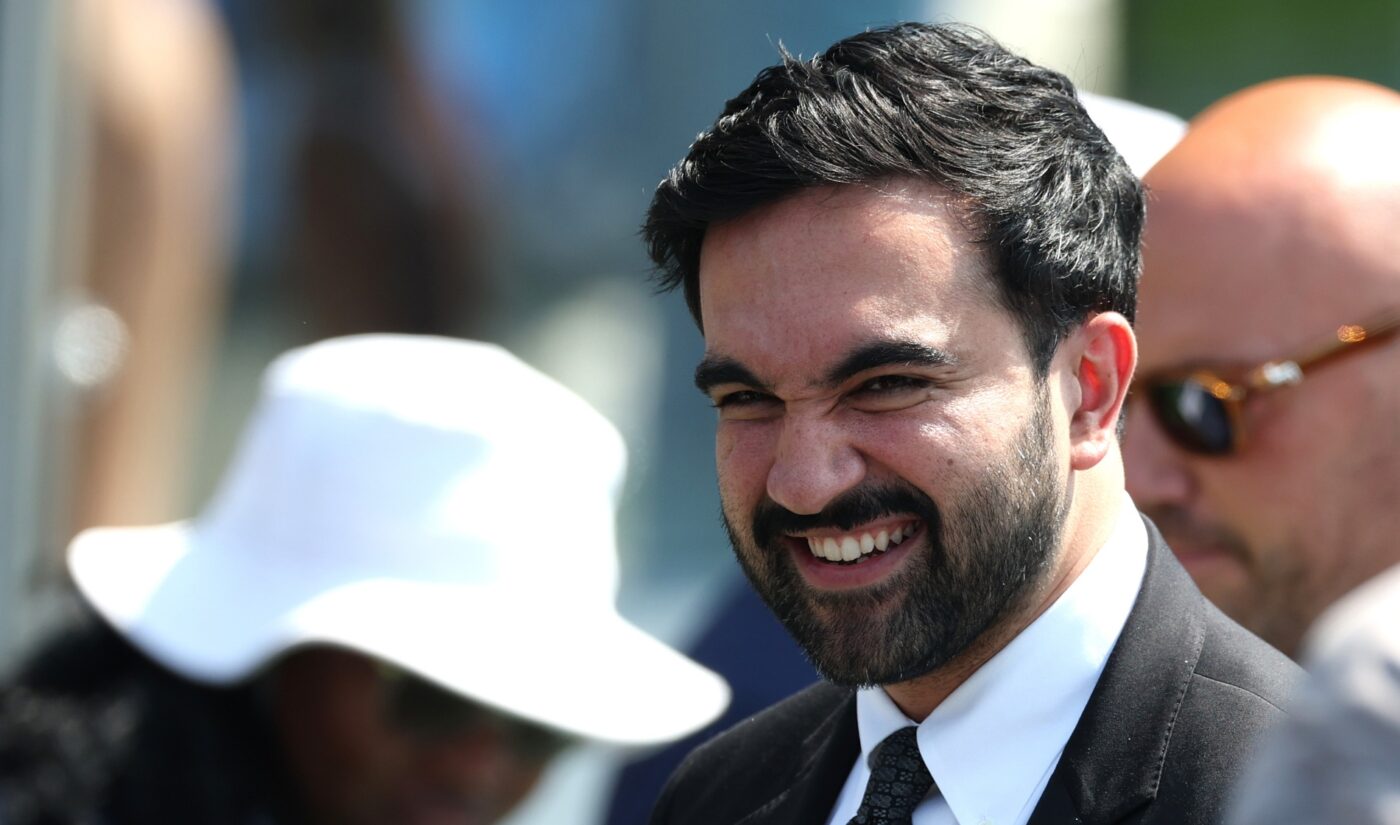
On July 27, the office of New York City Mayor Zohran Mamdani published a short video that imagines some of the city’s new policies as foodstuffs. The “halal fatale” represents Mamdani’s desire to make life easier for street vendors, the “prawn broker” stands for the Mayor’s effort to help out newsstands, and the “barbershop broccolini” is a reference to streamlined permits for barbershops.
Amid all of those food metaphors, Mamdani uses an “Ocky Way” sandwich to state his permissive policies related to corner stores and bodegas. That item references General Ock, a bodega owner whose unique sandwiches have become short-form favorites.

Subscribe for daily Tubefilter Top Stories
For Mamdani, the Ocky Way nod is no surprise. The Big Apple’s Mayor has closely aligned himself with creators (including General Ock) and has regularly referenced internet culture as he has consolidated power in the largest city in the U.S.
As it turns out, Mamdani and the creator community have more in common than just shared photo ops. Both of them are rising forces in 2026, and they are both captivating once-skeptical consumers by speaking in a way that feels honest and refreshing.
Candor has long been a creator’s best friend
There’s a certain politician who is well-known for his tendency (at least among his supporters) to “tell it like it is.” But long before Donald Trump ever ascended to the Oval Office, a different group was telling it like it is online.
The 20-year history of YouTube, which we recapped in a recent series, is filled with creators who have succeeded because they use plain, relatable language. During the platform’s early days, iJustine rose to stardom by decoding Apple’s technobabble, and the creators of lonelygirl15 only got more popular when they revealed that the vlog had been a hoax all along.
A few years later, creators like PewDiePie and Logan Paul entertained millions of subscribers by speaking freely and always saying what was on their minds (even if YouTube itself sometimes wished for restraint). Gen Z cultural touchstones like Elle Mills were praised for their ability to bare honest emotions rather than hiding behind plastered smiles and editing tricks.
When creators speak their mind, positive results don’t always follow, but frankness has been an overall boon for the community. When compared to the tightly controlled, overly polished nature of TV content, the self-effacing nature of the typical creator comes off as endearing. That’s why fans routinely identify creators as the most relatable source of entertainment available to us.
In 2024, savvy politicians aligned with plain-spoken creators
The year of the most recent U.S. presidential race was a boom time for both creators and outsider politicians. Digital voices established themselves as the whisperers of the youth vote, and politicians lined up for face time with those creators, leading to a phenomenon that was dubbed the “influencer election.”
Meanwhile, politicians became influencers, too. Mamdani is the figurehead of a paradigm shift that has seen YouTube videos, TikToks, and Twitch streams become prime locations for campaigning. Through social media, politicians have adopted the frank language of creators and the relatability that comes with it.
As politics moves online, however, not all campaigns are created equal. While Kamala Harris flubbed her lines on Subway Takes, Trump “told it like it is” on Theo Von‘s This Past Weekend podcast. Like Mamdani, Trump displays some creator-esque speech patterns, and in the eyes of many voters, that tendency made Trump seem more down-to-earth than his Democratic opponent.
Want to join the movement? Speak freely.
In the case of both creators and politicians, freewheeling language hits the mark because of widespread frustration with overwrought, high-falutin’ messaging, no matter whether that outdated messaging comes from TV shows or political speeches. Mamdani’s candor and Theo Von’s everyman interview style align them with Americans who trust unvarnished gut feelings.
As a result, there are now scores of politicians who want to be just like Mamdani. Incoming U.K. Prime Minister Andy Burnham has linked up with creators as he aims to gain youth support and move past the social media skepticism of his predecessor.
Wanting to be like Mamdani is an understandable goal, but not everyone can match a creator’s vibe — just ask Kamala Harris. The candidates who will thrive in future “influencer elections” will be the ones who can best tie relatable speech patterns to core political positions.
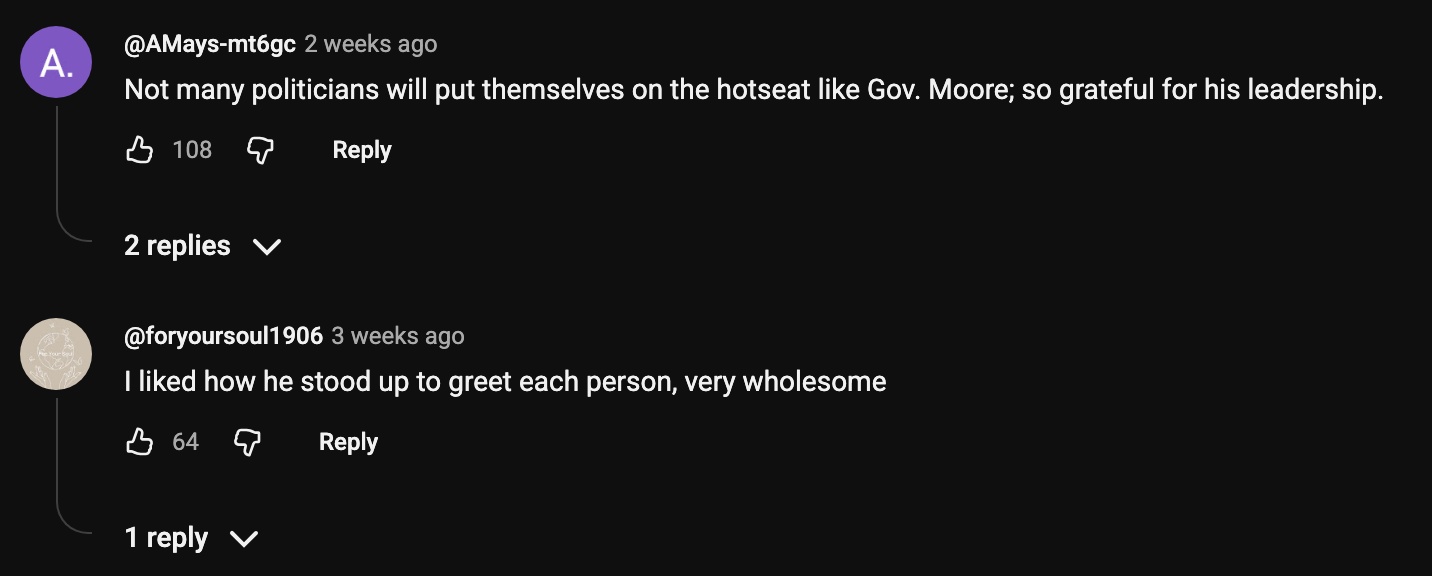
Enter Wes Moore. Maryland’s Governor has been picking up steam as a potential presidential candidate in 2028. To burnish his image, he faced a group of non-voters on Surrounded, a show produced by the media company Jubilee. Moore’s speech patterns on the show were direct, digestible, and uncompromising — and Jubilee commenters commended his performance.
Moving forward, politicians will face a choice: Will they be Andy Burnham or Wes Moore? Will they superficially seek creator collabs while still speaking stiffly, or will they see creator content as an opportunity to adopt the linguistic style young people are attuned to? The answers to those questions will probably contribute to electoral outcomes, and speaking personally, I would advise politicians to do things the Ocky Way.