Meta has agreed to pay billions of dollars to resolve its legal dispute with U.S. government officials. The parent company of Facebook, Instagram, and WhatsApp has announced a settlement that could ultimately cost it more than $17 billion — and on-platform changes are on the horizon, too.
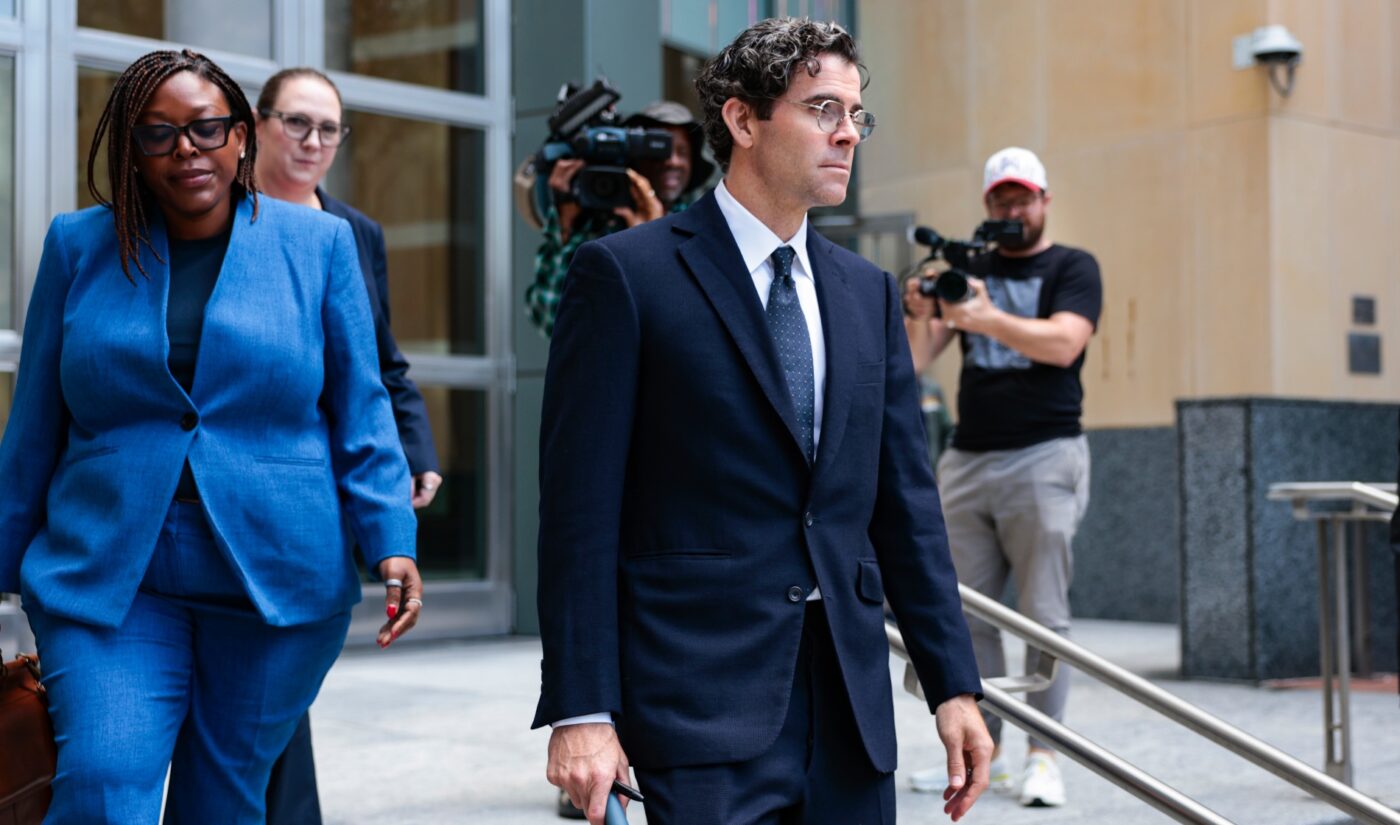
The settlements will be split among 48 U.S. states and four territories, with the exact payouts varying state by state. A coalition of attorneys general previously launched a federal trial against Meta, with execs like Instagram Head Adam Mosseri (pictured above) taking the stand. The prosecution argued that Meta’s design choices violated state consumer protection laws as well as federal statutes like COPPA.
“For years, Meta intentionally deceived the public about the addictive and harmful design features that have wreaked havoc on youth mental health,” said Virginia Attorney General Jay Jones. He added that the settlement “will put an end to these dangerous practices and deliver meaningful relief that will protect children from online harm.”

Subscribe to get the latest creator news
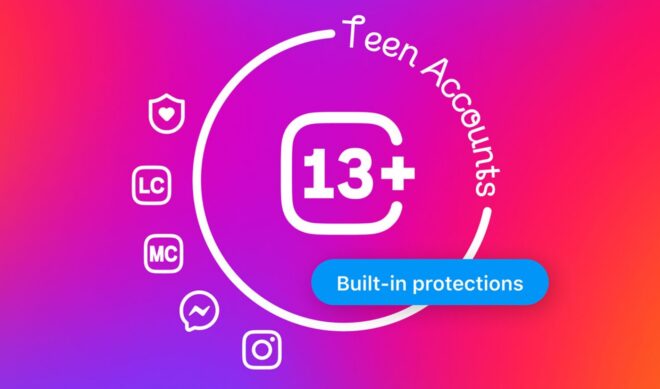
The terms of the deal also mandate the development and launch of new features on major Meta platforms. Instagram, for example, already lets users put time limits on their scrolling, but that option is about to get stricter for users under the age of 18. For those kids and teens, a two-hour time limit will be set as a default. Underage users will also have their push notifications silenced during school hours, and a so-called “night mode” will restrict access between the hours of midnight and 6 a.m.
So what’s next?
Meta’s settlement may be historic, but it only resolves a single group of legal cases. There will be more discussions and debates in venues like courts, Silicon Valley offices, homes, and schools.
Lawsuits brought by individuals and school districts will continue on. In many of those cases, plaintiffs are challenging existing protections by demanding that companies like Meta accept liability for the negative mental health effects of addictive algorithmic feeds. The outcomes of those cases could strip away the legal shield known as Section 230 of the Communications Decency Act of 1996. That “safe harbor” provision has protected social media companies for decades, but its status is looking more tenuous than ever before.
Then there’s the matter of YouTube and TikTok. Those companies are also going under the microscope as part of federal trials, and the results of those cases will impact Meta’s settlement. The maximum payout will only be required if YouTube and TikTok adopt similar time limits for teenagers on their platforms.
Rather than seeking a discount, Meta is advising other tech companies to follow its lead. It has described its incoming features as a new “industry standard” that can lead the way to a safer future online.
Those features will only be effective, however, if they successfully limit underage social media activity. That’s easier said than done. A recent report on Australia’s youth social media ban showed that the law has not meaningfully reduced kids’ and teens’ screen time on the targeted platforms. In Indonesia, another country that has restricted youth social media access, local creators are more popular than ever.
By agreeing to such a massive settlement, Meta’s execs are indicating that the company is ready to take youth mental health and safety more seriously. But the introduction of those safeguards will require assistance from lawmakers, parents, and the affected under-18s themselves. Cooperation, not competition, will be the key to making social media experiences healthier for vulnerable users.