A California jury’s decision could have significant ramifications for social media platforms and their feeds. A landmark lawsuit centered around a 20-year-old named Kaley ended with a decisive verdict: Meta and YouTube were found liable for the mental health woes Kaley experienced after years of regular scrolling.
The legal team representing Kaley argued that she suffered from social media addiction, which exacerbated issues like anxiety, body dysmorphia, and suicidal ideation. After more than a week of deliberation, the 12-person jury supported that sentiment. According to the ruling, Meta and YouTube developed platforms they knew to be harmful, then failed to adequately disclose those risks to young people like Kaley.
The compensatory and punitive damages in the case total $6 million. Meta, which was found to be more liable than YouTube, will be responsible for $4.2 million of that sum.

Subscribe for daily Tubefilter Top Stories
For tech companies that generate billions of dollars of revenue every year, the damages are little more than drops in a bucket. The most important part of this case is the precedent it sets. It opens the floodgates for hundreds of similar lawsuits against Silicon Valley’s consumer tech giants.
The verdict also pokes another hole in Section 230, the so-called “safe harbor” provision tech companies have long used to protect themselves. For years, Section 230 was a trusty shield, but some recent court decisions have broken from precedent, limiting the scope of safe harbor protections. Now, Section 230 is looking weaker than ever before, even as some proponents argue that changing the doctrine could do more harm than good.
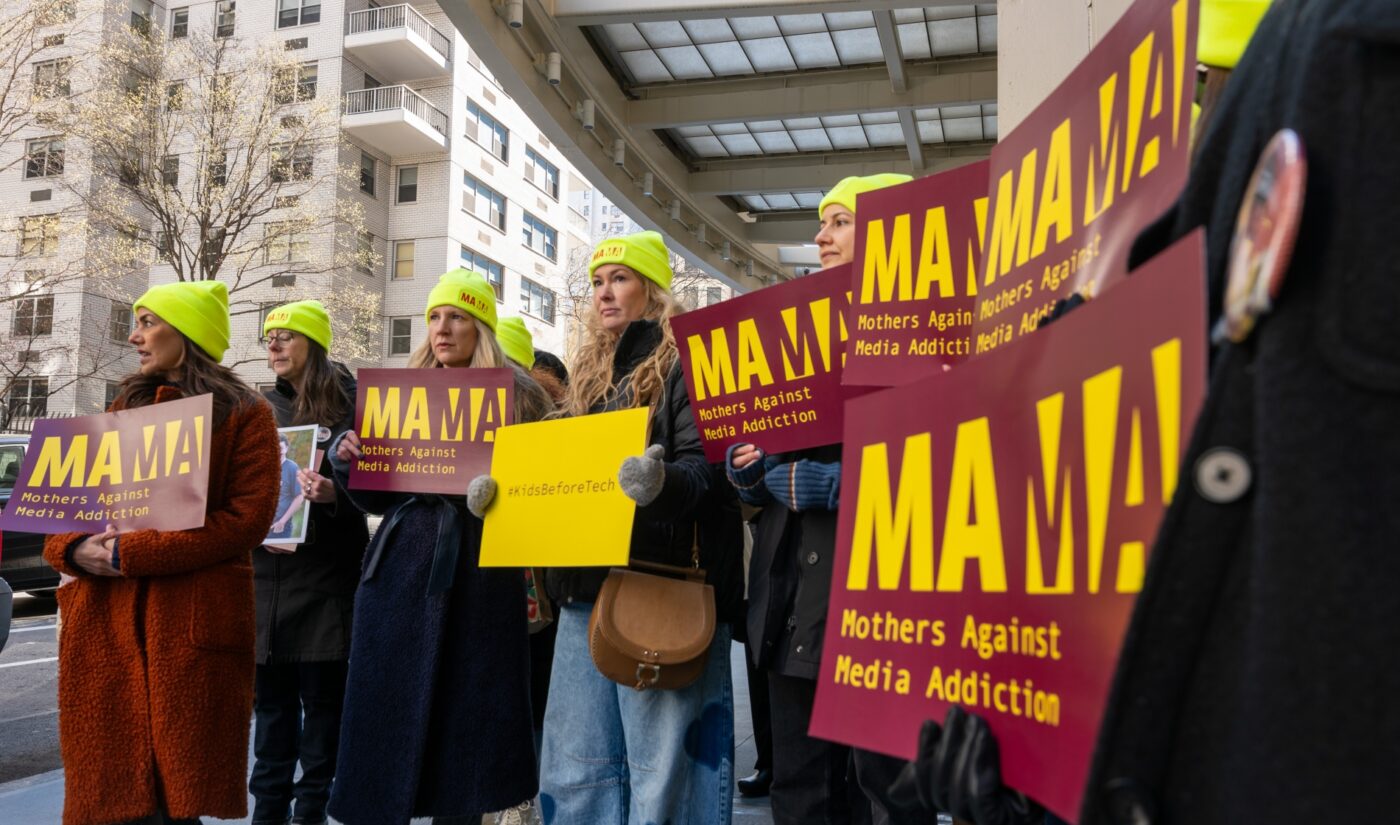
“This verdict is bigger than one case,” said Joseph VanZandt, a lawyer representing families who are suing social media companies. “For years, social media companies have profited from targeting children while concealing their addictive and dangerous design features. Today’s verdict is a referendum — from a jury, to an entire industry — that accountability has arrived.”
The tech companies see things differently, and both Meta and YouTube plan to file appeals. “Teen mental health is profoundly complex and cannot be linked to a single app,” said a Meta spokesperson. “We will continue to defend ourselves vigorously as every case is different, and we remain confident in our record of protecting teens online.”
YouTube’s statement foreshadowed that future legal fights could require jurors to consider a recurring semantic argument. “This case misunderstands YouTube, which is a responsibly built streaming platform, not a social media site,” said Google spokesman José Castañeda.
That’s essentially the argument YouTube employed when it tried to wriggle its way out of a teen social media ban in Australia. No matter where courts eventually decide to draw the line between social media and entertainment, one thing is clear: The general public doesn’t feel that existing safety measures are sufficient, so Meta and YouTube will have to step up their enforcement if they want to avoid future penalties.
In the short term, two winners are TikTok and Snap. Those tech companies chose to pay undisclosed settlements rather than being part of the California case. In this instance, they won’t be on the hook for damages, but the results of the case shows that a legal reckoning will probably come for all major social hubs sooner rather than later.