At this point, it’s become clear that social media creators will play pivotal roles in the future of politics. During the “influencer election” of 2024, politicians collaborated with influencers to spread their messages among young voters.
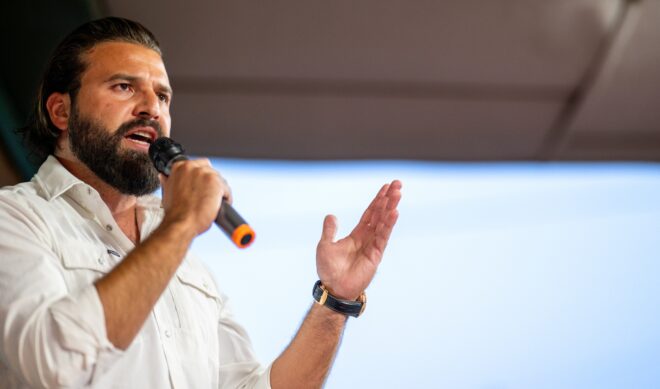
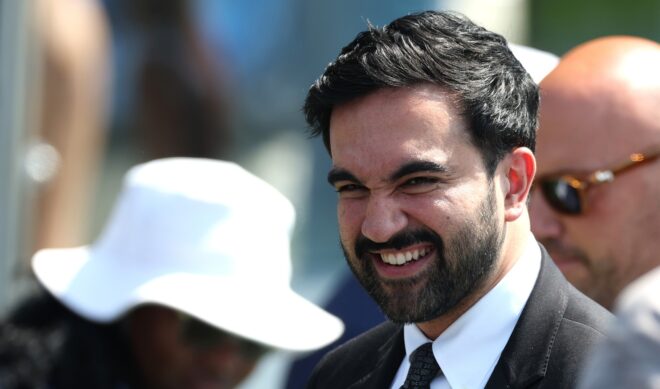
As we head into the ensuing midterms, creators are still key figures in the political world. Firebrands like Hasan Piker are swaying voters in crucial primaries, elected officials like Zohran Mamdani are applying social media best practices to connect with constituents, and some creators, like Kat Abughazaleh, have even run for office themselves.
There’s just one main problem with all that activity: The rules governing creator endorsements aren’t keeping pace with the changing times. Campaigns are evading disclosure rules through hidden payments to creators, many of whom subsequently shill for those candidates.

Subscribe to get the latest creator news
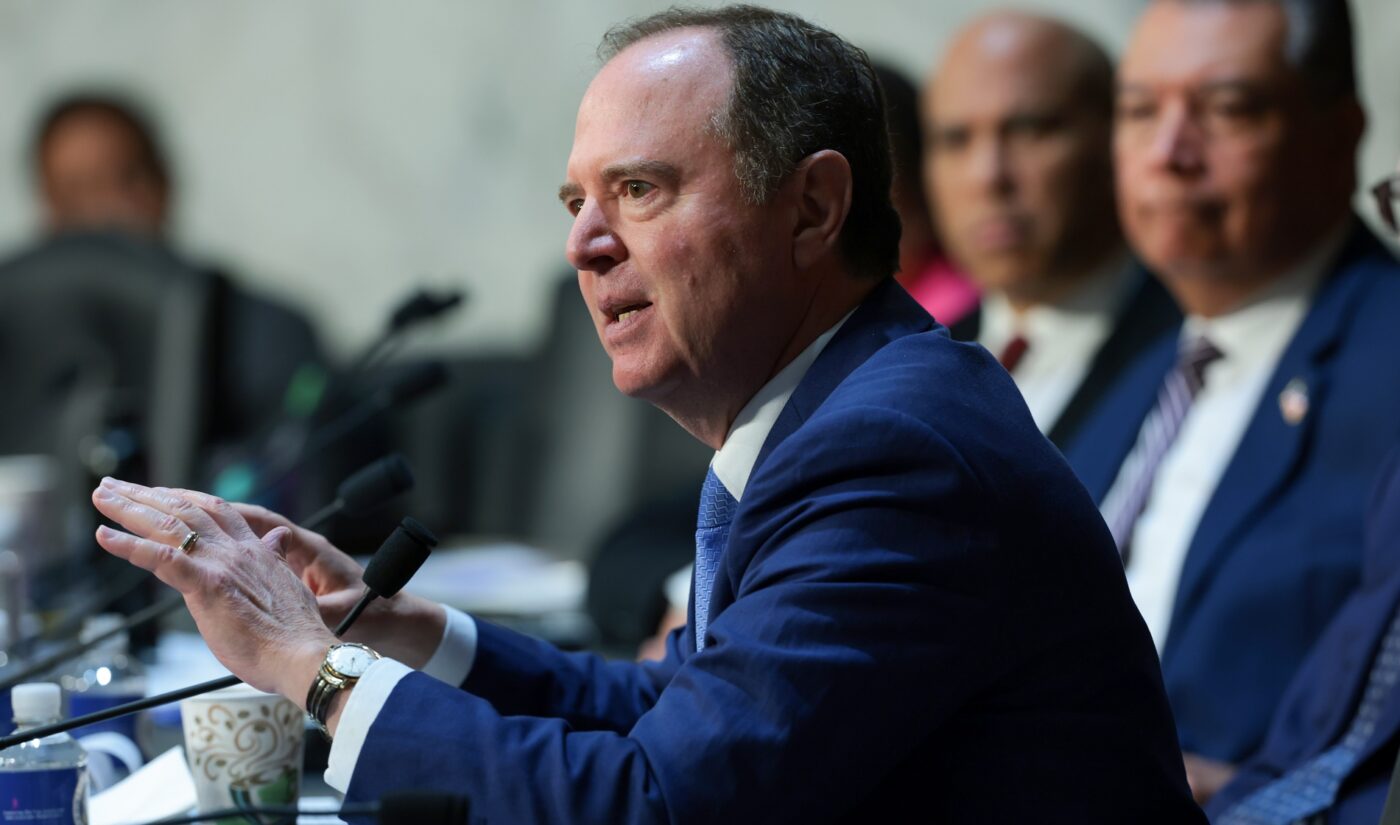
Senator Adam Schiff (D-CA) is all too familiar with that issue. In his home state, the gubernatorial primary was upended by a scandal involving billionaire Tom Steyer, whose campaign paid for creator endorsements that weren’t properly disclosed. (Steyer eventually ended his campaign and endorsed fellow Democrat Xavier Becerra.)
At the state level, California has laws that mandate proper disclosures from creators who are paid by political campaigns. Schiff, however, wants to tighten those rules. He has introduced the Promoting Authenticity with Influencer Disclaimer Act — dubbed the PAID Act — to eliminate loopholes that allow creators and their backers to skirt campaign finance rules.
Isabel Linzer, an elections and democracy policy analyst at the Center for Democracy and Technology, told the Sacramento Bee that creator endorsements operate in a grey area between multiple agencies. FTC regulations on commercial activity don’t apply to political speech, while FEC stipulations for political ads don’t apply to social media. “There’s a huge range in terms of what the rules are and how much circumvention there is and how stringent enforcement is,” Linzer said. “It’s a fast-evolving field, paid political influencing, but the rules haven’t caught up yet.”
If enacted, the PAID Act would bridge that gap. It would amend FEC regulations, allowing them to cover creator endorsements. “Users deserve to know if a creator has been compensated by a campaign to post for them,” said Representative Mark Takano (D-CA), who introduced a companion version of the legislation in the House of Representatives. “Senator Schiff and I introduced the PAID Act because current campaign disclosure laws have not kept up with this new creator economy, and voters deserve to know who is financing their feeds before they vote.”
In a sense, the current rules for creator endorsements harken back to the early days of social media, when a “Wild West” attitude governed an under-regulated landscape. The taming of the social media Wild West allowed the contemporary creator economy to emerge, so one could imagine that Schiff’s proposal — while reigning in creators — could also give them more political power in the future. You can read the full text of the PAID Act right here.