With our Gospel Stats Weekly Brand Reports, Tubefilter is always keeping an eye on which companies are sponsoring creators on YouTube. Each week we see businesses we’ve come to expect: mainstays like Squarespace, Shopify, NordVPN, BetterHelp, Raycon, and yes, even the (in?)famous Raid: Shadow Legends.
But sometimes surprises pop up.
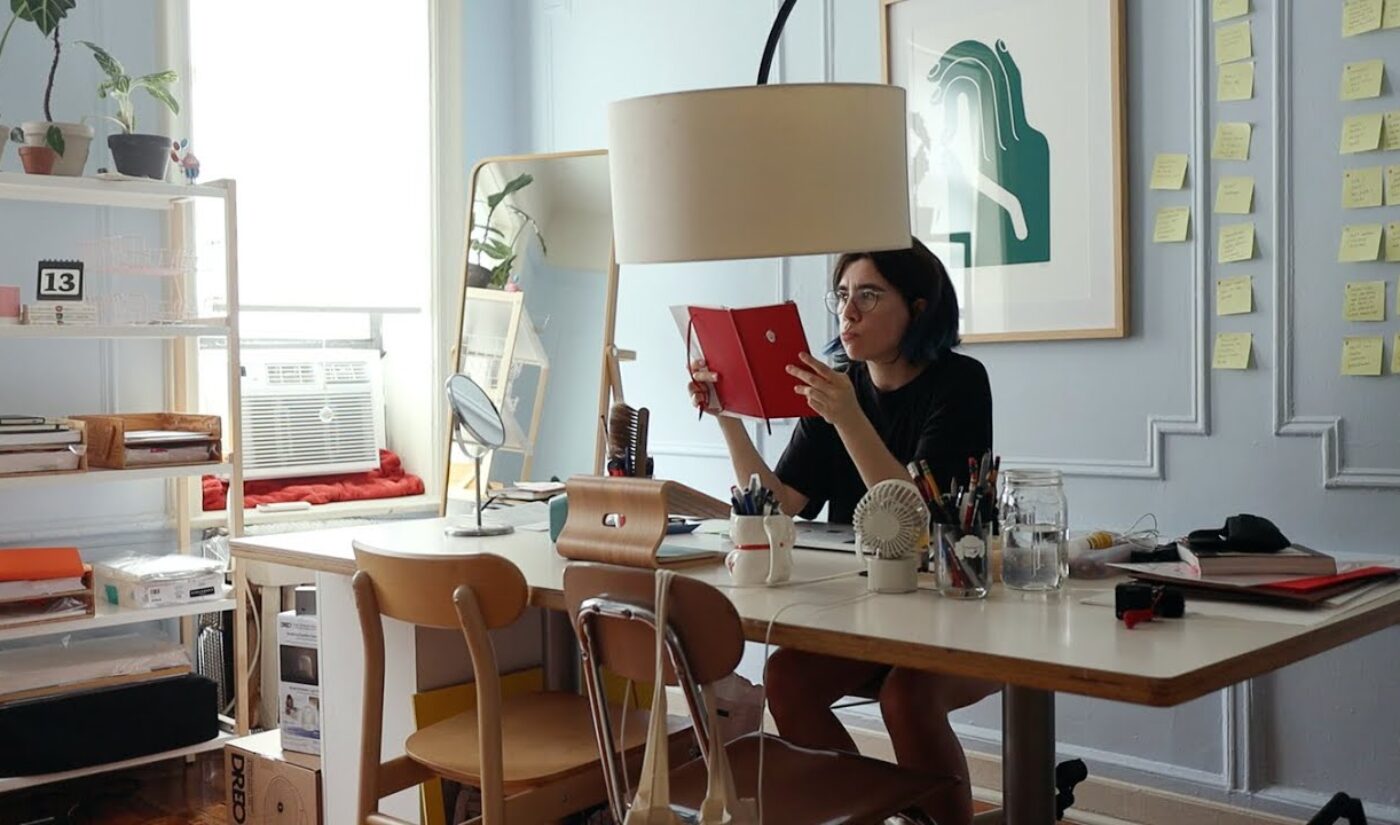
One recent surprise was this video from Chilean illustrator and YouTuber Fran Meneses, which is sponsored by none other than deviantART.

Subscribe to get the latest creator news
As we wrote in April, deviantART is in a weird spot right now. After losing nearly 50% of its traffic between 2013 and 2019, it revamped with a focus on becoming part of the modern digital content creator economy. It introduced monetization with Patreon-like subscriptions, the ability to sell physical and digital products, and a system for accepting and delivering art commissions on-platform. Usership began to climb.
The only problem? As dA pushed into our industry and pitched itself as a haven for artists to make money from their work, it also embraced generative AI. Not only did it decide to allow outside generated works, it released its own internal generator: “DreamUp,” running on Stable Diffusion bones.
Earlier this year, dA CEO Moti Levy decided to update the world on how his company was doing–and that update came with a smug double-down on AI.
Levy claimed dA was “100% right” to embrace generative LLMs, and that the platform is now “seeing waves of new creators leveraging this tech and co-existing with traditional digital artists, and the lines between them are starting to blur.”
We’re not sure that’s accurate on the grander scale–but it’s undeniable that while many digital artist hubs have banned generated pieces and those who make them, if you go to dA’s homepage, you’ll see AI extrusions posted up alongside human-made work. dA lets AI and real art share the same space.
But when it comes to promotion, dA is still relying on the human touch.
Its partnership with Meneses called on her to endorse dA’s subscription and discovery features. She uses her two-minute spot to explain how and why she uses subscription tiers to give fans things like monthly photo dumps and sketchbook tours.
“And this is very cool, but with deviantART you can track performance with their advanced analytic tools and see what is doing well with your subscription tiers,” she says. “And you can keep up to 97.5% of your earnings every month.”
“Also,” she adds, “don’t worry about promotion, because the homepage is always recommending good stuff, so you can reach fans that way, or you can access the paid boost options as well.”
dA’s goal here is obviously user growth–specifically artist user growth. Meneses’ spot isn’t about telling her viewers to go subscribe to her dA tiers; it’s about encouraging other artists to go and launch subscriptions on deviantART.
Will that pay off? Maybe. The question is whether artists will choose dA over other platforms. Again, these sorts of subscription tools have been around for years on artist-home platforms like Patreon, Ko-fi, and Gumroad. (They’re also not new to deviantART; it introduced subs back in 2021.)
And, of course, with dA promoting on YouTube, it’s reaching viewers–both artists and fans–who have spent years being familiar with Google’s own Channel Memberships.
Basically, there are lots of options for artists and creators to offer subscriptions to their fans. dA’s edge might come from its relatively slim revenue cut. For comparison, YouTube takes a 30% cut from Channel Membership revenue, and Patreon takes up to 12%. In that scope, 2.5% seems like pocket lint. Creators just have to be willing to let their work ride next to AI.
We’ll keep an eye on potential future sponsorships from dA–and are curious to see if more YouTuber artists launch memberships there.