On September 23, YouTube held its annual Made On event in New York City. If you’ve tuned into previous editions of YouTube’s product spiel, the headlines for the 2026 presentation may sound familiar. YouTube is bringing more AI-powered personalization to both creators and viewers, and new testing tools will optimize the platform’s videos across multiple formats.
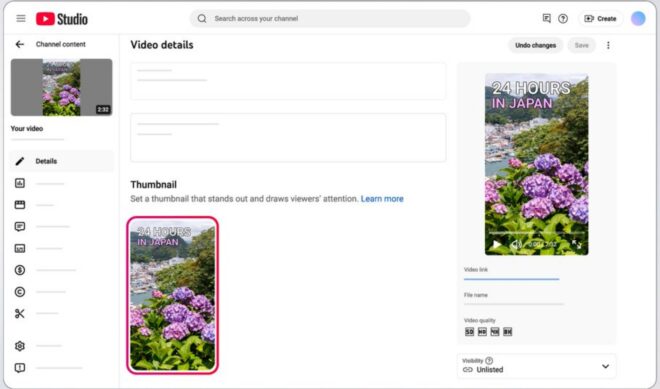
YouTube adds dynamic thumbnails and video A/B tests to its “personalized Studio team”
Creators are always looking for any slight advantage that can make their content stand out amid a noisy field. YouTube Studio is delivering that optimization in multiple ways. “YouTube Studio is evolving into an end-to-end creative partner to help across production, packaging, and channel strategy,” reads a Made On blog post attributed to YouTube CEO Neal Mohan.
For starters, the platform is expanding the A/B tests it has been slowly introducing since 2023. Those experiments already allow creators to pit multiple titles and thumbnails against each other to determine which one performs better. Soon, that process will expand to entire videos. By A/B testing multiple cuts of the same clip, creators can identify the version that best resonates with their audience.

Subscribe to get the latest creator news
Those tests can locate what YouTube calls “outlier videos”: exceptional performers that can inspire future uploads. New Insights and Research data in YouTube Studio can add more context to those outliers, and the same philosophy is being applied to thumbnails, too. After bringing dynamic insertion to its ads at last year’s Made On event, YouTube is now introducing dynamic thumbnails. By automatically switching between multiple preview images, YouTube is aiming to maximize reach among specific audience segments.
Personalization isn’t just for creators
As part of its Made On pitch, YouTbe alluded to its first-ever GenAI trends report, which found that 72% of U.S. video uploaders between the ages of 14 and 44 have used AI as a creative aid over the past year. AI suggestions delivered by Google’s Gemini models are saving time for users while turning YouTube into a more targeted experience.
If you think AI-powered personalization is already ubiquitous on YouTube, just wait. As we learned at Made On, YouTube is finding more ways to tailor its design to individual users.
For social shoppers, an expanded Ask YouTube feature will turn questions and follow-ups into interactive product recommendations that show up across TV and mobile surfaces. And to improve a destination Mohan called “the #1 podcast platform for viewers in the US,” YouTube is building personalized podcast lineups that reflect each listener’s tastes and interests.
A similar mechanism is coming to YouTube’s homepage. At Made On, Mohan officially announced the new Custom Feeds. That tool can turn users’ suggestions into fully populated landing pages that cut across specific content categories.
“Custom Feeds allows you to create dedicated tabs for any interest, routine, or mood,” said video essayist Mina Le at the Made On event. “Just prompt a new feed into existence and it appears right there on your homepage, constantly updating with hyper-relevant creators and content.”
In other words, YouTube homepage shelves will now deliver the granular recommendations Netflix users have come to expect. But YouTube’s copycat approach doesn’t stop there.
YouTube wants to look like TikTok (and Spotify and Netflix)
Made On YouTube 2026 shows that Mohan and his deputies are paying attention to the formats, features, and products that are shining on other platforms. A lot of that has to do with AI; YouTube, like Spotify, wants to automate audio recommendations, which is why it’s bringing Ask Music — its version of the Spotify DJ — to the YouTube Music app.
When it comes to TikTok, however, YouTube is borrowing much more than just AI-powered updates. It is leaning into the growing popularity of microdramas by expanding its Series feature. TikTok has found ways to monetize serialized short-form collections, and YouTube is taking a step in that direction with the introduction of Shorts Series. The sequential short-form playlists will build on YouTube’s current microdrama momentum, which includes more than six billion views.
Then, there’s the matter of TikTok LIVE, a popular vertical live-streaming format that has inspired Made On YouTube updates over the past three years. To make its own Vertical Live streams as functional as their TikTok analogues, YouTube is introducing several new broadcast options. Go Live Together will enable co-hosting on those streams, Live showdowns will turn them into collaborative fundraisers, and Live auto-dubbing will bring streaming content to viewers across the globe.
All of those Vertical Live updates are due to arrive in “early 2027.” From that point on, YouTube has no plans to slow down. Instead, users can expect the flurry of new features to continue.
“Since the start of the year, we’ve launched over 3,000 product updates and improvements, keeping up with evolving viewer tastes and increasing creator ambitions,” Mohan said at Made On. “This is what it looks like to innovate in the YouTube era.”