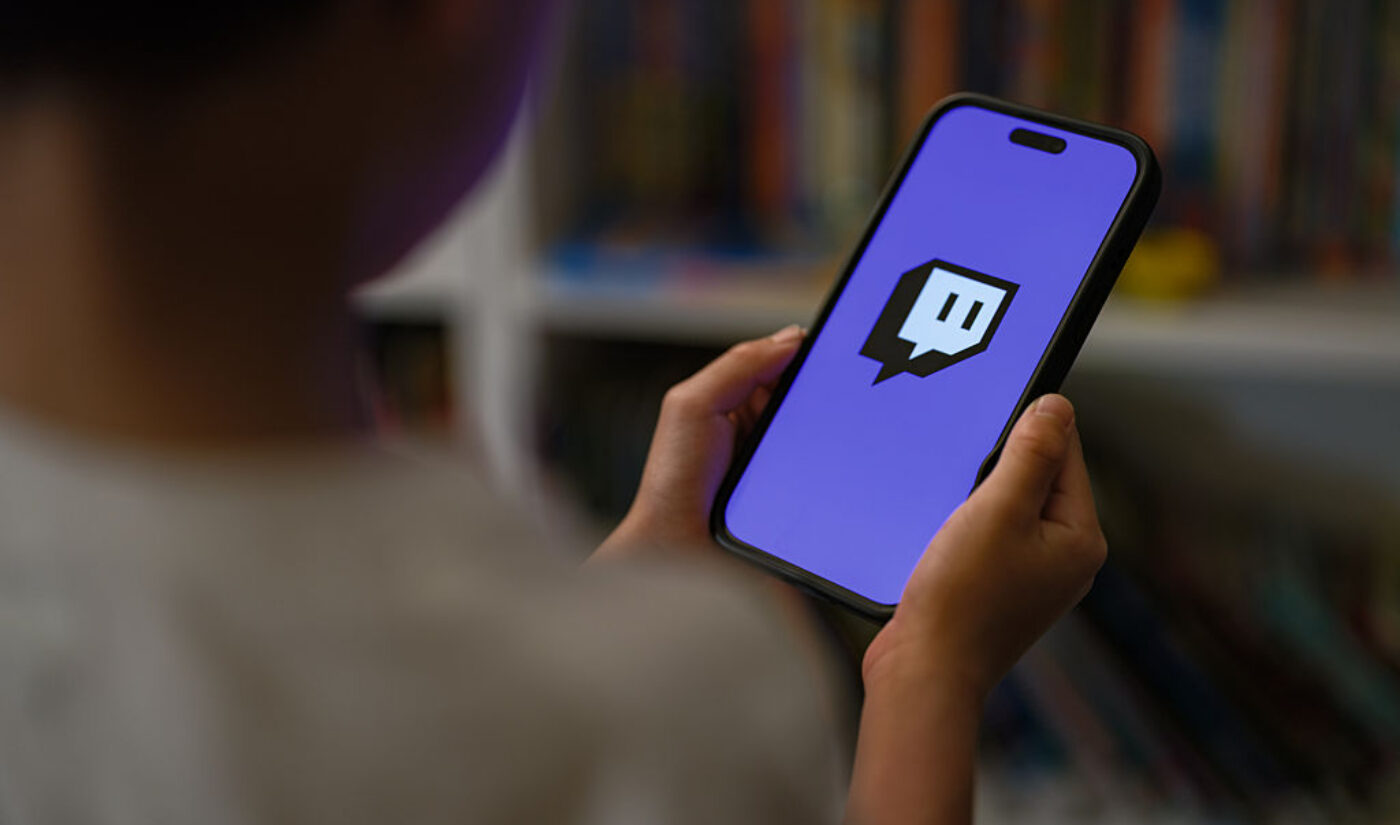
As social media platforms face more and more crackdowns worldwide banning teens from engaging with social media, Twitch has rolled out a new parental control setting that could keep minors from going live.
Now, to be clear, Twitch–like most social platforms–already prevents anyone under age 13 from making an account and/or becoming a streamer. It’s taken action to enforce that rule in the past, perhaps most notably with H1ghSky1, a Fortnite streamer who joined FaZe Clan and began streaming when he was 12 years old.
After Twitch banned his account, H1ghSky1 swapped over to streaming on YouTube, which does allow under-13s to have their own accounts, as long as those accounts are (at least supposedly) supervised by a parent.

Subscribe to get the latest creator news
Generally once a person is 13 years old and out of the range of COPPA, social platforms greenlight them for most functions. Some have additional barriers in place that keep teens from seeing things like NSFW content. An increasing number of platforms, including Roblox, Discord, and Bluesky, are requiring additional age verification to be sure under-18s aren’t accessing risqué material, and to help prevent them from being preyed upon by older users.
Twitch, though, is taking things further. Instead of blanket allowing anyone over age 13 to stream, it’s giving parents the option to prevent their 13-to-17-year-olds from going live, The Verge reports.
Parents can also choose to disable Whispers (Twitch’s private DM system), can set watch time limits, and can disable content in specific categories (like gambling and mature-rated games) from appearing in search results and recommended. They’ll also get a weekly report on their kid’s platform activity that tells them how many hours of content were watched and on which channels.
Once a kid turns 18, their parent will be automatically booted out.
These parental controls are similar to what YouTube already offers. The main difference from YouTube, and from most other social platforms, is that Twitch lets parents choose if their kids become content creators.
An intriguing decision–and one that relates to ethics across our industry. We’re in the thick of situations like the aforementioned social media bans for teens and ongoing issues with child safety across numerous platforms.
But there’s another longtime ethical concern at play here: Parents can now keep their kids from becoming streamers, but kids have no legal recompense if their parents upload content of them on the internet. A mother can prevent her 15-year-old from going live on Twitch; there’s nothing an eight-year-old can do to stop their mom from posting their gymnastics meets online, or filming them every day as part of vlogs.
We aren’t saying that more regulations on kids’ participation in social media can’t have benefits. Even adult streamers struggle with the mental load of being so visible. It’s worth considering, though, what extrapolating this idea–protecting kids from being on the internet forever and giving viewers a constant periscope into their personal lives–could mean for thousands of parent creators who make money off putting their kids online.
That’s if the extrapolation ever happens. And we’re not sure it will.