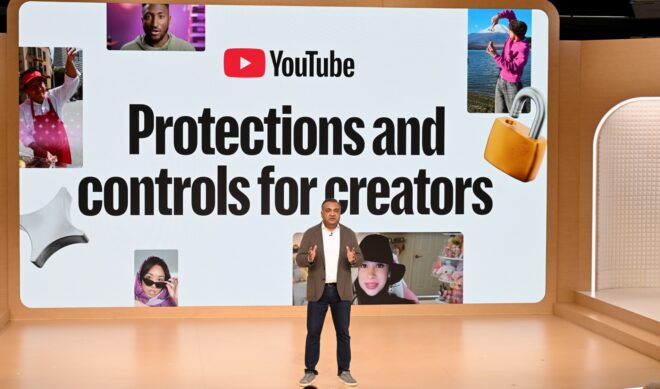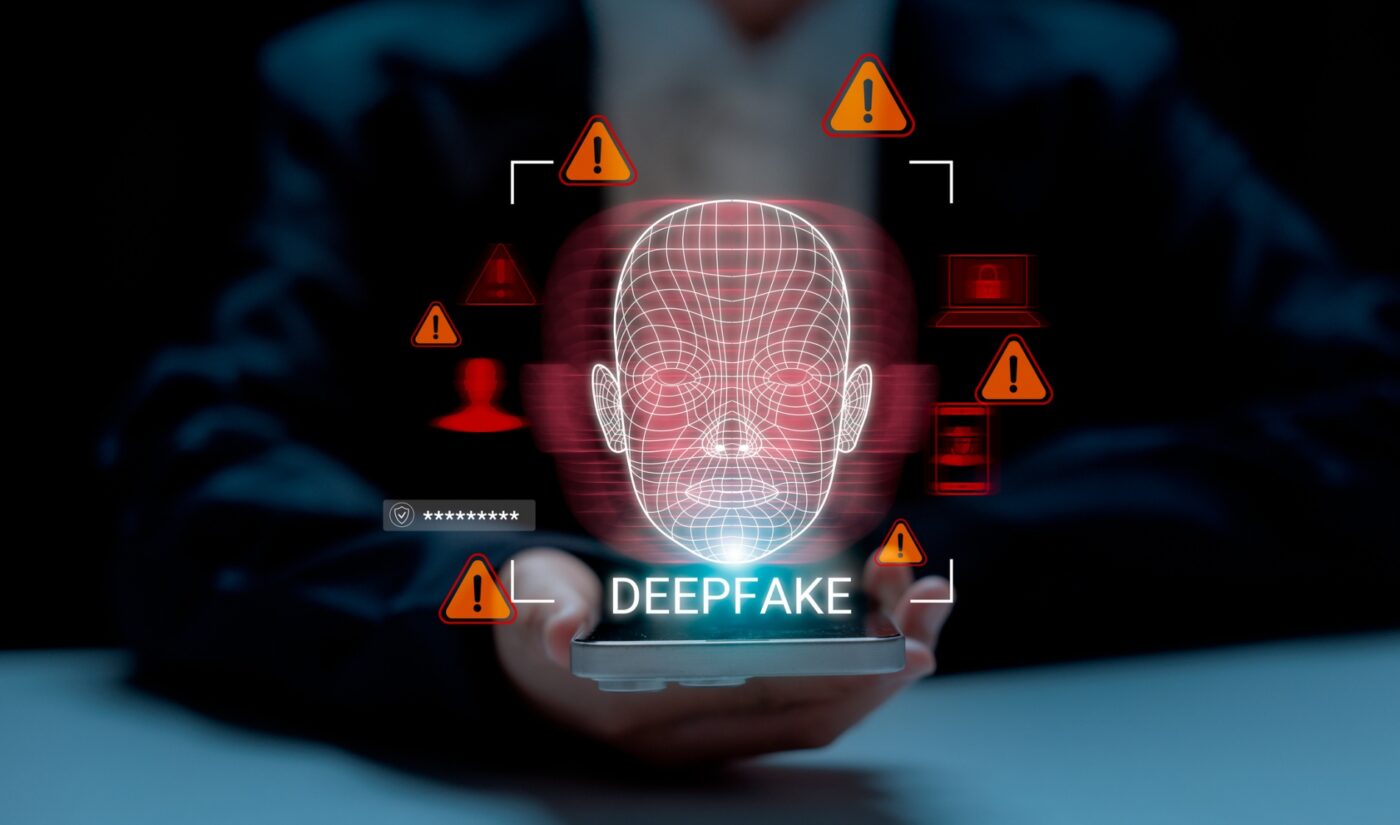
YouTube wants more recognition from mainstream entertainment power players, so it’s sharing the love. The Google-owned hub has developed a tool that finds and manages AI-generated deepfakes of public figures, and Hollywood studios now have access to that software.
In 2024, YouTube first announced its plan to team up with talent agency CAA to develop a likeness detection tool that would combat the rise of deepfaked images and videos on social media platforms. In the year-plus since that reveal, YouTube has steadily tested its anti-deepfake tech alongside an expanding network of partners. First, a small group of creators got access to the feature. Then, journalists and celebrities took it for a spin.
Now, the battle-tested tool is ready for its big moment. Google execs told The Hollywood Reporter that anyone “at high risk of having their likeness abused” can take advantage of the AI-powered detector. That group includes journalists and politicians, as well as entertainers like actors, musicians, creators, and athletes.

Subscribe to get the latest creator news
People who spot deepfaked versions of their likeness on YouTube can request access to the tool, even if they don’t have an active channel on the platform. “We’ve been working on this for quite some time since the genesis of thinking through AI tools and the implications on the platform,” YouTube Chief Business Officer Mary Ellen Coe told THR. “Frankly, we have not seen the vectors that are even possible, and we are working very closely with talent agencies and third-party management companies to make sure that public figures can actually get ahead of this before something negative happens.”
For YouTube, bringing the likeness detection tool to studios serves as a proverbial olive branch. Traditional Hollywood entities are extremely skittish about AI, which was one of the major themes of the SAG and WGA strikes that gripped the industry two years ago. Deepfakes and other unauthorized AI representations of public figures threaten to harm celebs’ personal brands while simultaneously putting humans out of work.
Those fears made it difficult for OpenAI to make inroads in Hollywood, even after the ChatGPT maker talked to studios about its potential in the film and TV industries. The AI video generator Sora was a big part of OpenAI’s pitch to filmmakers, but the software has since shut down.
In theory, YouTube is just as much of a threat to the traditional Hollywood model as OpenAI is. The platform keeps rolling out products that make deepfakes easier and more efficient to produce, and much of the AI content that steals from filmmakers and actors can be found on YouTube. Many top creators are intentionally developing AI versions of their likeness, leaving the AI skeptics to grapple with the consequences of that rapid proliferation.
The likeness detection tool, however, shows that AI-powered products can help Hollywood. Even if creatives are against generative AI, YouTube is showing them that they can use the technology to their advantage.
Perhaps this move will convince studios that YouTube is an ally, not an adversary. That’s certainly what YouTube seems to want. After all, you can’t win Emmys without getting Hollywood’s approval first.