In 2026, YouTube and Google have put AI at the center of their joint pitch to brand partners. AI-powered tools got a lot of shine during YouTube’s NewFronts event. The BrandConnect hub has been souped up with AI augmentations. And the abundance of YouTube creator content within chatbot responses has led to the rise of answer engine optimization firms.
So if you’re advertising on YouTube right now, there are definitely a handful of reasons to incorporate AI tools into your marketing strategy. At the same time, Google is providing an important piece of guidance for brands: Don’t lean so far into AI that you forget your humanity.
That’s one of the major takeaways from a new post in the Google Ads Help Center. After synthesizing data from recent Demand Gen campaigns — which play across multiple Google products, including YouTube — the team in Mountain View determined that human voices still play important roles in brand creative.

Subscribe for daily Tubefilter Top Stories
The post highlights three particular findings from Google’s Demand Gen analysis. Advertisers who include text overlays and visualize products in the first five seconds of a video can receive slight upticks to their conversion rate as a result, but the biggest effect mentioned in the post concerns speech. When a human voice is present within a piece of creative, conversion rate increases by 12%, according to Google’s report.
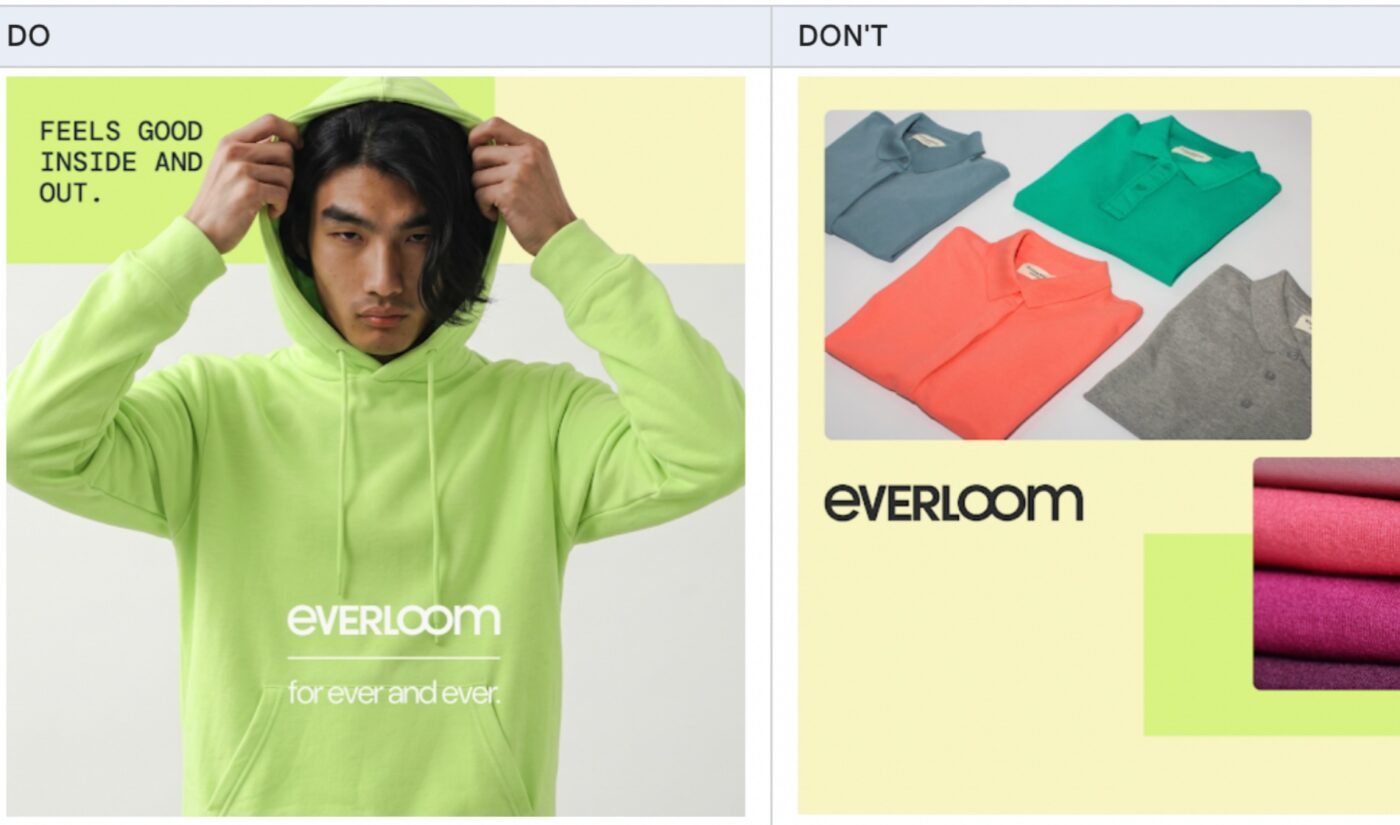
Other suggestions in the post also support ads that feel less artificial. Google is telling brands to remove assets that look clickable but aren’t, and it also cautions advertisers against creative that doesn’t include actual human faces. “Images with a visible human presence consistently outperform other assets,” reads the post. “YouTube runs on human connection, so feature faces or people actively engaging with your product wherever it fits your campaign.”
Of course, just because Google is advising brands to behave like humans doesn’t mean it’s telling them not to use AI. After all, the post uses the words “human voices,” not “human speakers.” As the tech giant’s automated dubbing tools become more sophisticated, advertisers won’t have to choose between including human voices and harnessing the power of generative AI.
Ultimately, Google wants its ad partners to strive for balance. There are plenty of innovations that can make campaigns more efficient, but at the end of the day, nothing can replace a human touch.