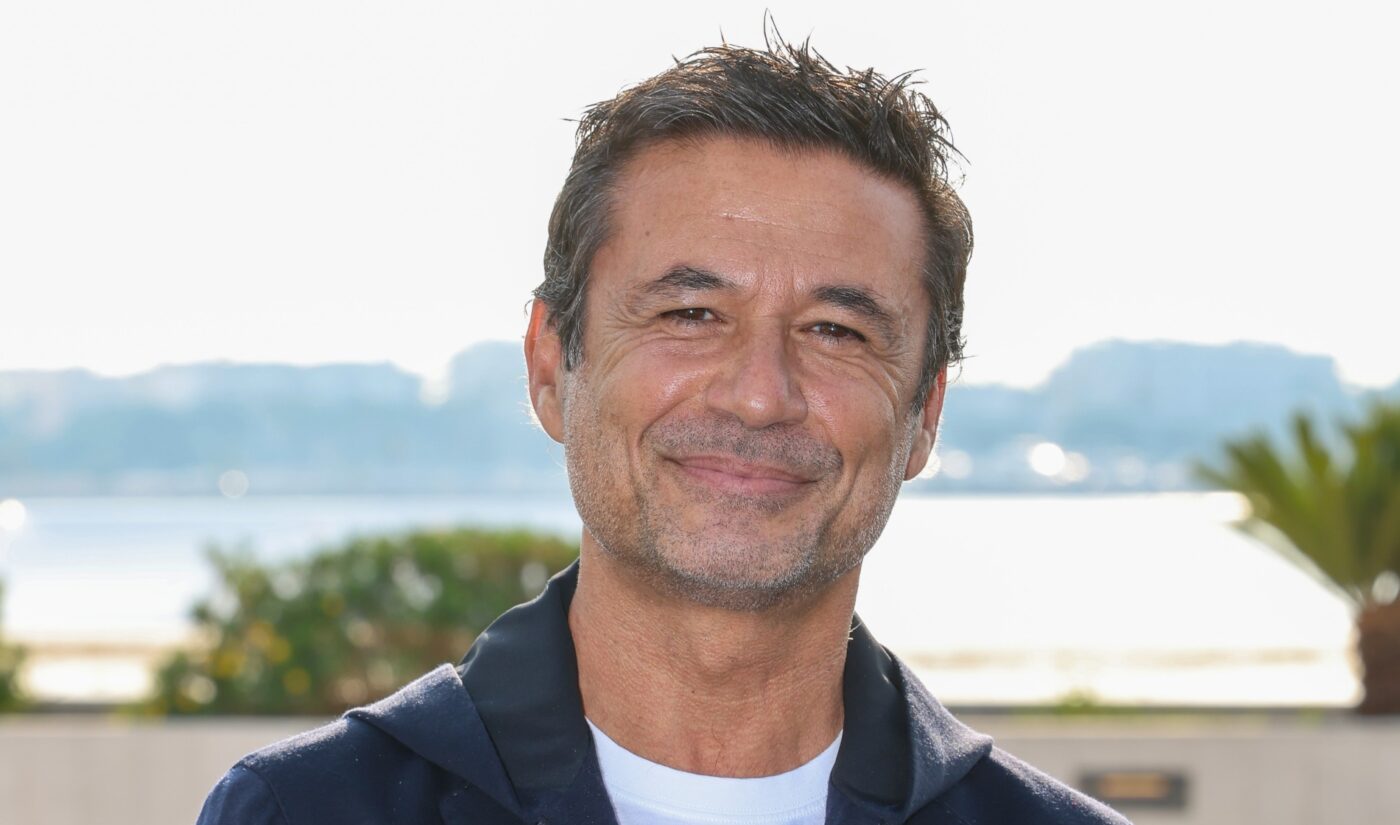
The MacTaggart Lecture, hosted each year at the Edinburgh TV Festival, is one of the most prestigious speaking engagements in the U.K. In 2026, Pedro Pina had the privilege to deliver it.
Pina, the VP of EMEA at YouTube, gave his speech amid tenuous circumstances. YouTube is dominating viewership on TV screens; month in and month out, the platform holds the largest market share in The Gauge, Nielsen’s periodical tabulation of streaming traffic.
That power position is causing unease among traditional broadcasters, especially in the U.K. The nation’s biggest broadcasters — familiar names like ITV and BBC — worry that they’re in an unwinnable position. Their cultural and programming obligations allow them to claim priority positions (i.e. single-digit channel numbers) on British TV sets. As more viewership moves to platforms like YouTube, however, the public broadcasters have to compete for attention from recommendation algorithms, even though they’re still required to follow Ofcom’s broadcast standards.

Subscribe for daily Tubefilter Top Stories
To give public broadcasters an assist on YouTube, British officials proposed a Media Bill that would require YouTube to recommend more videos from official U.K. sources. Pina used a portion of his address to oppose that measure. He argued that favoritism toward traditional TV hubs would stifle indie creators, some of whom — like Amelia Dimoldenberg and Angry Ginge — have become prominent personalities within U.K. culture.
Pina’s preference is to maintain YouTube’s current approach, which weighs all types of content equally. That makes the platform noisier, but also more culturally impactful. Pina cited previous golden ages of TV, when a growing array of distributors pushed the envelope. “In reality, more competition meant more appetite for risk, and more space for new voices,” Pina said. “This next chapter of British television will not be a tragedy,” he added. “It will be an epic.”
By saying “why can’t we be friends,” Pina is taking a diplomatic approach. There’s just one problem: YouTube is as big as TV, and it’s fair to argue that the platform should have to play by the same rules that cover other U.K. distributors. “YouTube is no longer standing outside the television industry asking to be taken seriously,” reads a piece published on The Streaming Wars. “It is operating television’s most powerful schedule.”
In general, YouTube opportunistically molds its identity. When regulators come for social media, YouTube claims it’s actually an entertainment hub. When the rules for entertainment hubs become problematic, YouTube highlights its more social aspects.
Perhaps YouTube will lead us to a new golden age of TV, as Pina predicts. If that’s going to happen, however, YouTube will first have to decide for certain what type of company it is.