On social media, there have been rumblings that U.S. efforts to restrict TikTok are motivated by the platform’s connections to the ongoing violence in Palestine. At the Munich Security Conference, two of the politicians responsible for the “divest-or-ban” law all but confirmed those suspicions.
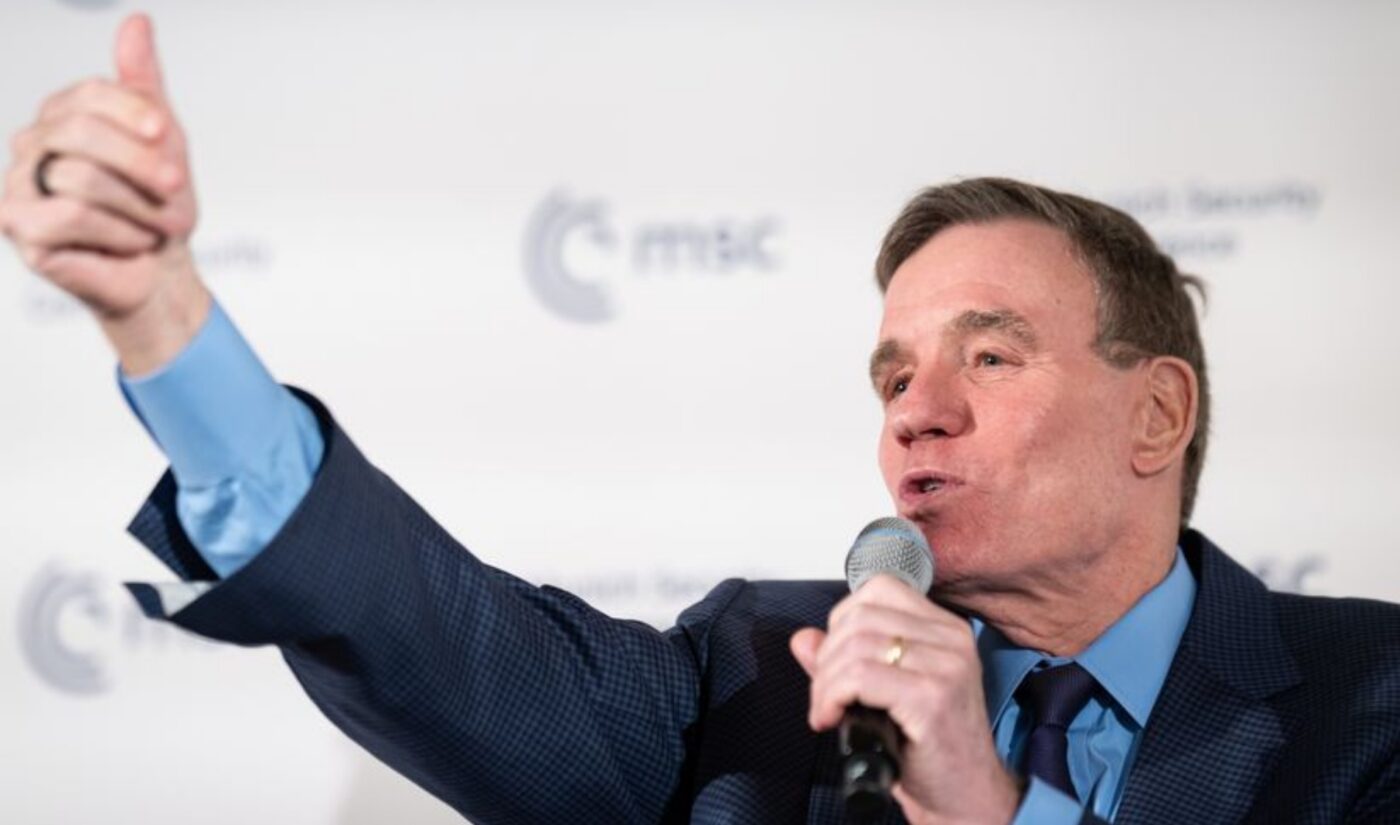
During a panel, Senator Mark Warner (D-VA) urged Congressman-turned-Palantir exec Mike Gallagher (R-WI) to tell the “real story” behind the Protecting Americans from Foreign Adversary Controlled Applications Act. Gallagher, who has pushed ByteDance to divest TikTok, obliged the Senate Intelligence Committee Vice Chair.
“So we had a bipartisan consensus,” Gallagher said at Warner’s behest. “We had the executive branch, but the bill was still dead until October 7th. And people started to see a bunch of antisemitic content on the platform and our bill had legs again.”

Subscribe for daily Tubefilter Top Stories
That explanation lines up with the timeline of events that led to the passing of the divest-or-ban law. In early March 2023, bipartisan group of Senators led by Warner put forth a bill then known as the RESTRICT Act. A few weeks later, a contentious hearing with TikTok CEO Shou Zi Chew seemed to delay progress on Warner’s proposal. Congress’ rough treatment of Chew made the exec a national hero in China, public support for TikTok regulations began to fade, and the RESTRICT Act went into the shop for revisions.
As Gallagher explained, Hamas’ October 7 attack changed the narrative. All of a sudden, there were widespread calls for TikTok to address content that some people — including a few notable celebrities — perceived as anti-Semitic. That wave of criticism gave regulators like Warner the opening they needed to revive the divest-or-ban proposal.
“Some wonder why there was such overwhelming support for us to shut down potentially TikTok or other entities of that nature,” Senator Mitt Romney (R-UT) said last May. “If you look at the postings on TikTok and the number of mentions of Palestinians, relative to other social media sites – it’s overwhelmingly so among TikTok broadcasts.”
The rationale behind American efforts to regulate TikTok suggests that national security concerns related to the app are overemphasized, whereas TikTok’s ability to awaken the collective political consciousness of Gen Z deserves more attention.
As more Americans use TikTok as a news source, intercultural clashes related to Israel and Gaza are creating fissures between big-name creators. The U.S. government’s position in that conflict is clear. Let’s just say there’s a reason why the divest-or-ban law was passed as part of an aid package for Israel and Ukraine.
Congress and Gen Z firebrands may agree that violence in the Middle East influenced American restrictions on TikTok. Where they seem to differ is in their characterizations of TikTok’s political bias. Senators and celebrities may see anti-Semitism amid widespread sympathy for the Gazan cause, but progressive activists believe TikTok is clamping down on pro-Palestinian viewpoints. As evidence, they have cited posts that seemed to be flagged for removal because they included the phrase “free Palestine.”
TikTok could still survive the U.S. government’s attempts to divest or ban it, but Congressional motivations on this issue should still be examined. Social media warps national discourse in a way that doesn’t align with old-school political thinking. Is the resulting regulatory action the result of a protective instinct, or is it nothing more than fear of the future?