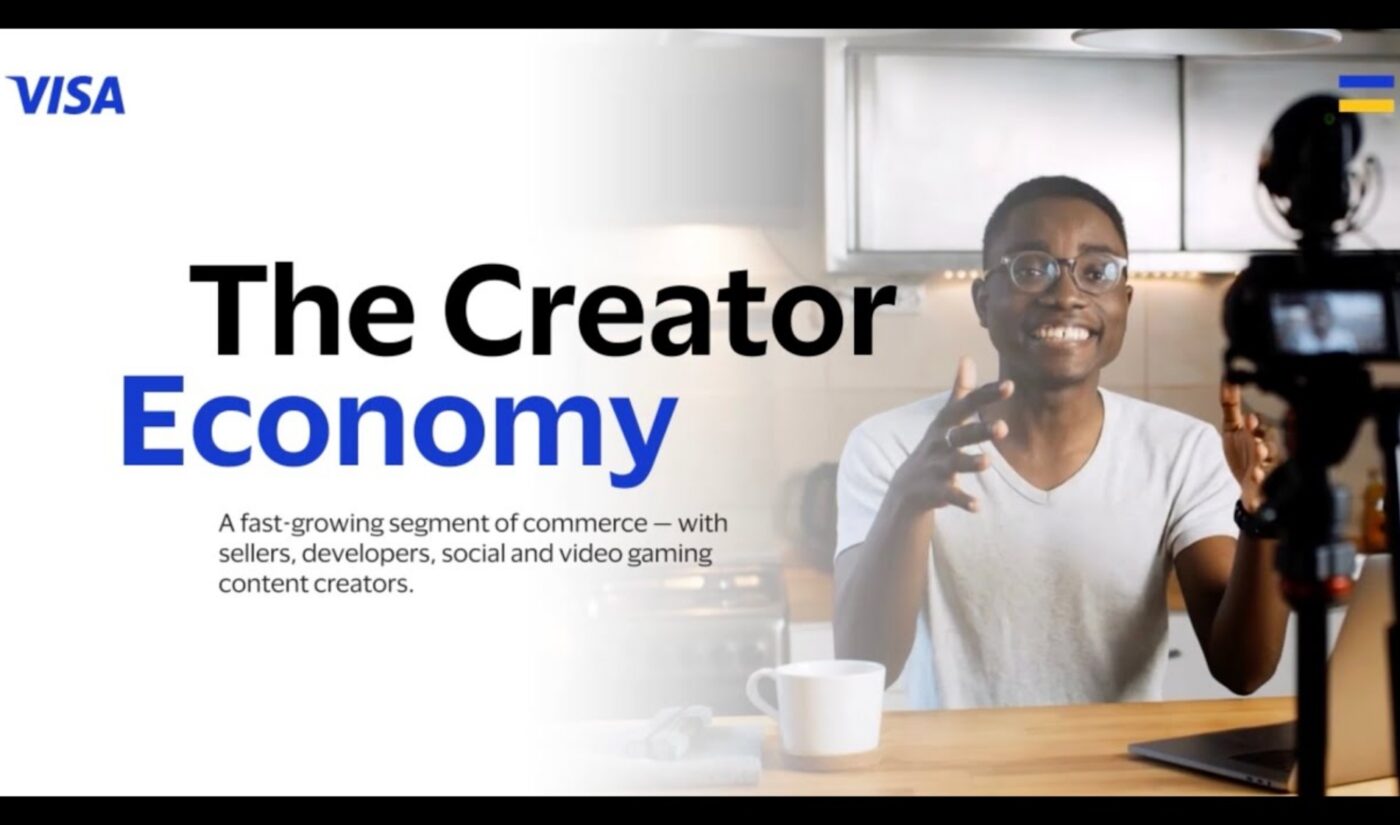
With nothing more than a semantic change, a major credit card company just solidified its ties to the creator economy. At Web Summit in Lisbon, Portugal, Visa announced that it will officially classify creators as small businesses, allowing them to take advantage of new financial tools.
Though that change may seem merely cosmetic on the surface, it addresses a pain point shared by many creators. Lack of recognition for the influencer career path has made it difficult for some creators to have strong relationships with traditional banks. A Visa study found that two-thirds of creators feel that slow payments hinder the speed of their business development.
But for firms like Visa, the explosive growth of the creator economy is impossible to ignore. The overall side of that industry is expected to reach $500 billion by 2027, with major platforms like YouTube and TikTok driving a huge chunk of that market. In 2022 alone, YouTube reportedly contributed $35 billion to the United States gross domestic product while supporting the equivalent of 390,000 full-time jobs.

Subscribe to get the latest creator news
“It’s incredibly rewarding to see the world finally recognizing creators as the driving force behind the digital economy,” said Jonathan Kolozsvary, Visa’ Global Head of Small Business, in a statement “We are proud to help creators grow their businesses – whether it’s helping creators access funding with a small working capital solution, or helping creators get paid in real-time to their debit card.”
One company familiar with the struggles of professional creators is Karat, which has made up for traditional banks’ trepidation by offering numerous financial services tailored to the creator economy. Karat has also worked with Visa to upgrade its credit card business.
In an email to Tubefilter, Karat Co-Founder and Co-CEO Eric Wei stressed that creators do qualify as small business owners, with their job creation abilities, tax needs, and GDP contributions making them as legitimate as any traditional company. That’s why Visa’s policy update is so meaningful — it grants creators a valuable classification they have already earned.
As the creator profession continues to grow, it will continue to integrate with the global economy at large. We saw evidence of that shift during the 2024 election cycle, when creators interfaced with White House officials, provided powerful endorsements for candidates, emerged as the new faces of political media, and in some cases, even ran for office themselves.
Visa, which previously embraced tech like NFTs, is now primed to represent creators as they make it big in the mainstream. That rising influence will come with a litany of financial needs, and Visa is making it easier for small business owners on YouTube and TikTok to get the support they need.