YouTube is starting to crack down on misleading videos with a policy shift in India that will lead to the removal of "egregious clickbait."
misinformation
-
YouTube will reinstate some banned channels. Here’s how that “Second Chance” will work.

-
YouTube’s clickbait crackdown begins in India
-
YouTube lets creators lie about election outcomes. It’s making money off their videos.
From May through August 2024, Media Matters tracked 30 of the most popular YouTube channels "identified as persistently spreading election misinformation," the Times reports. Channels included those belonging to well-known right-wing commentators like Tucker Carlson, Ben Shapiro, and Rudy Guiliani.
-
More credibility for creators: Google search now recognizes them as experts
YouTube has been battling misinformation for years, and one of its strats to slow the spread is surfacing correct information from trustworthy, authoritative experts like doctors and lawyers. And…content creators?
-
TikTok is attacking misinformation on multiple fronts
-
Is TikTok pushing young voters towards the far-right?
-
YouTube has improved its misinformation policies, but fact-checkers say it’s not enough
-
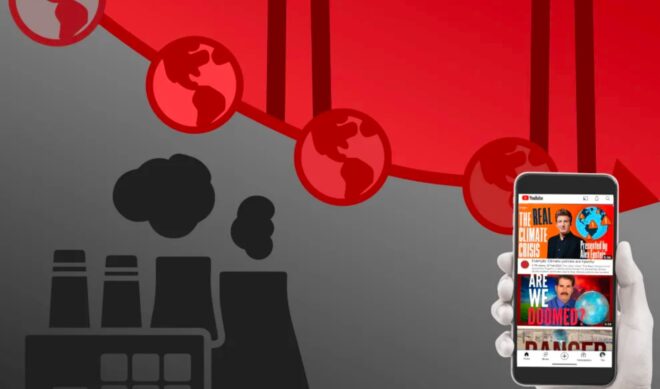
Despite YouTube’s moderation efforts, a “new climate denial” is slipping through the cracks
-
In contentious call with execs, Jewish celebrities urge TikTok to root out “antisemitic movement”
-
YouTube removed 10,000 videos to combat misinformation during election season
-
Misinformation is a “global challenge for society.” Google’s $13.2 million grant will support fact-checkers.
-
YouTube seeks partnerships with “certain categories of healthcare professionals” to improve its medical advice





Newsletter
Subscribe for daily Tubefilter Top Stories
Trending Stories
- 90% Of Content Creators Deal With Burnout. Vibely Wants To Change That.
- Amouranth’s sleep streams are earning her up to $15,000 per broadcast
- BookTok can make bestsellers. So ByteDance is becoming a publisher.
- Fujifilm’s X100V got so big on TikTok that it sold out. The next camera in that line has arrived.
- Want To Know The Best Days And Times To Post YouTube Videos? Here’s A Yearly Calendar.



Tubefilter, Inc

© Copyright 2007 - 2026 Tubefilter, Inc.