The looksmaxxing community is rejoicing, because Twitch is letting them mog each other as much as they want. If that sentence sounds like gibberish to you, allow me to get you up to speed.
The Omoggle meta has arrived on Twitch
The term “mogging” derives from the phrase “alpha male of group” and can refer to any show of dominance, especially in the looks department. The rise of looksmaxxing influencers like Clavicular has pushed the mogging phenomenon into the mainstream, so much so that members of Twitch’s “just chatting” community are getting in on the fun.
Enter Omoggle. As its name implies, the app is a play on Omegle, the bygone video chat service that facilitated conversations between random strangers.

Subscribe for daily Tubefilter Top Stories
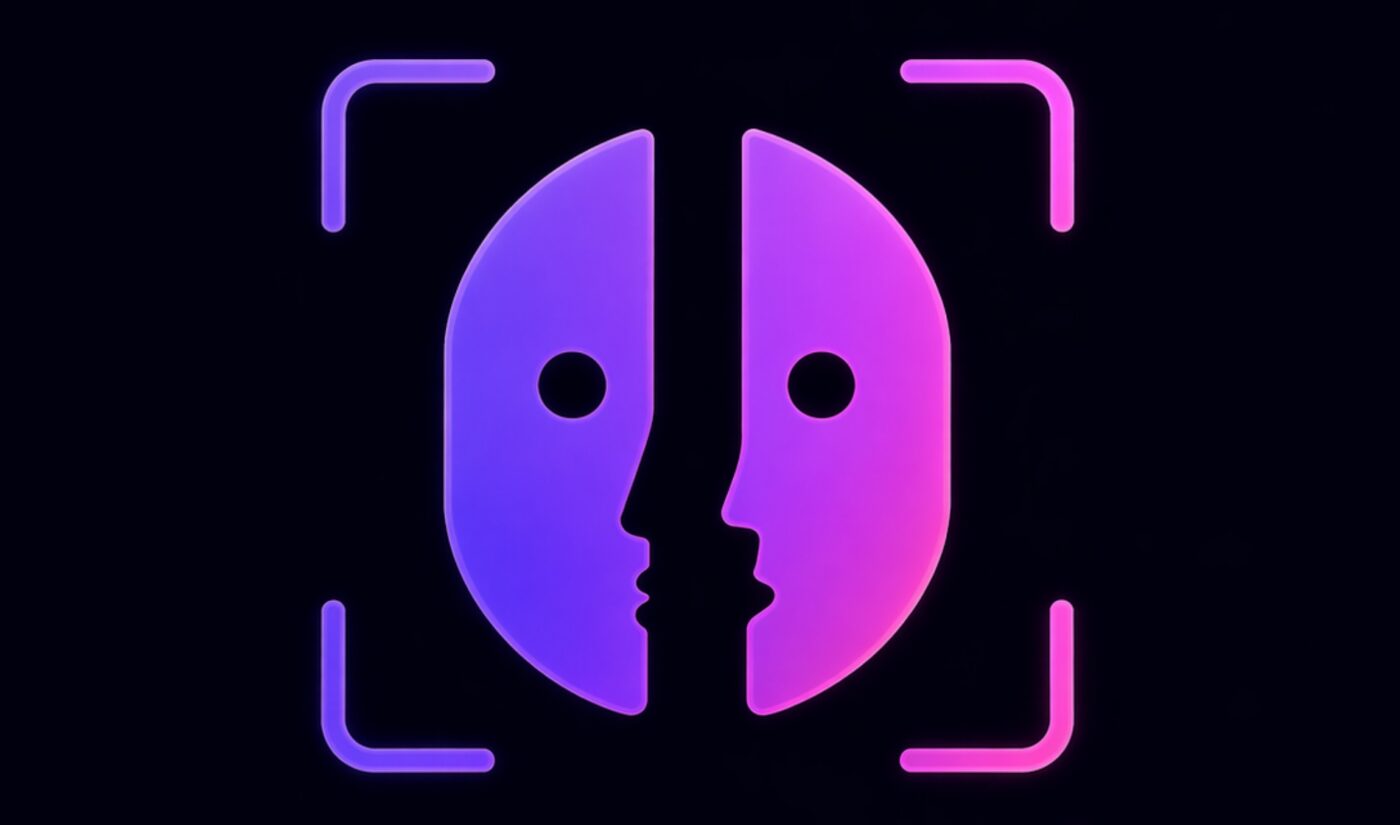
Like Omegle, Omoggle puts two individuals in a side-by-side video chat. Instead of talking to each other, however, Omoggle users compare their looks. The app scans both participants’ faces to determine which one is closer to the idealized beauty standard that creators like Clavicular aspire to.
The streamers who are playing around with Omoggle have turned the app into the next big Twitch fad. Thanks in large part to big names like JasonTheWeen, Omoggle’s leaderboard is now filled with thousands of players.
There’s just one problem with Twitch’s “Omoggle meta” — until recently, the app was banned on Twitch. The Amazon-owned hub stepped in to address that problem. A rule in the Twitch Community Guidelines that disallowed “randomized video chat services” has been amended so that streamers are free to Omoggle away.
If Twitch’s community is truly its beating heart, streamer metas must be encouraged
This isn’t the first time Twitch has rewritten it rules to support the whims of its community. A 2023 “topless meta” tested the limits of Twitch’s rulebook, which was briefly amended to allow “artistic nudity.” That change was rolled back when streamers pushed the new policy too far, but Twitch eventually found a workable middle ground. By letting users choose what they want to see, Twitch encouraged eclectic metas without opening up the proverbial floodgates.
These policy-based questions are tricky ones for Twitch to answer, but there’s a clear way forward for the platform. CEO Dan Clancy recently cited Twitch’s community as an asset that provides an advantage against rivals like YouTube and TikTok. If Twitch is going to position its streamers as its competitive edge, it must go along with their whims — even if that means sanctioning beauty face-offs and racy broadcasts.
How long will it be before the looksmaxxing ouroboros mogs its own tail?
Omoggle may not be as innocent a distraction as it seems. It’s the latest in a long line of social media trends that affect the mental health of today’s youth by promoting idealized beauty standards. On TikTok, the #SkinnyTok hashtag and videos depicting steroid-like drugs have drawn widespread scrutiny. If the Omoggle meta continues to evolve, will it experience a similar form of blowback?
The looksmaxxing fad has already been criticized for its pseudoscientific approach to beauty. Twitch’s desire to support its community is noble, but as global regulators tackle the teen mental health crisis head-on, one wonders how long this particular meta can last.