Back in 2019, as part of its $170 million child privacy and safety settlement with the Federal Trade Commission, YouTube placed sweeping new restrictions on kids’ content. Videos aimed at children were no longer allowed to serve personalized/targeted ads, any ads that were served weren’t allowed to collect viewers’ personal data, and public comments were turned off.
In the wake of those restrictions clamping down, some creators in niches like toys, video games, and animation have complained their content being unfairly caught in the sweep. Their videos aren’t aimed at a young audience, but YouTube’s systems don’t appear to be smart enough to tell the difference between toy videos made for kids and something like a Gundam figure review made by a collector for fellow adults.
That being said, it’s rare that we see cases going the other way, where videos that should be marked as for kids aren’t. So we haven’t had to wrestle with one potential conundrum: What happens if YouTube is doing what it agreed to do, but an individual creator fails to use the provided child privacy tools correctly? Are they liable for COPPA-violating data collection if a video is improperly marked for adults when it’s really for kids?

Subscribe for daily Tubefilter Top Stories
Turns out the answer is yes, and we now know that thanks to Disney.
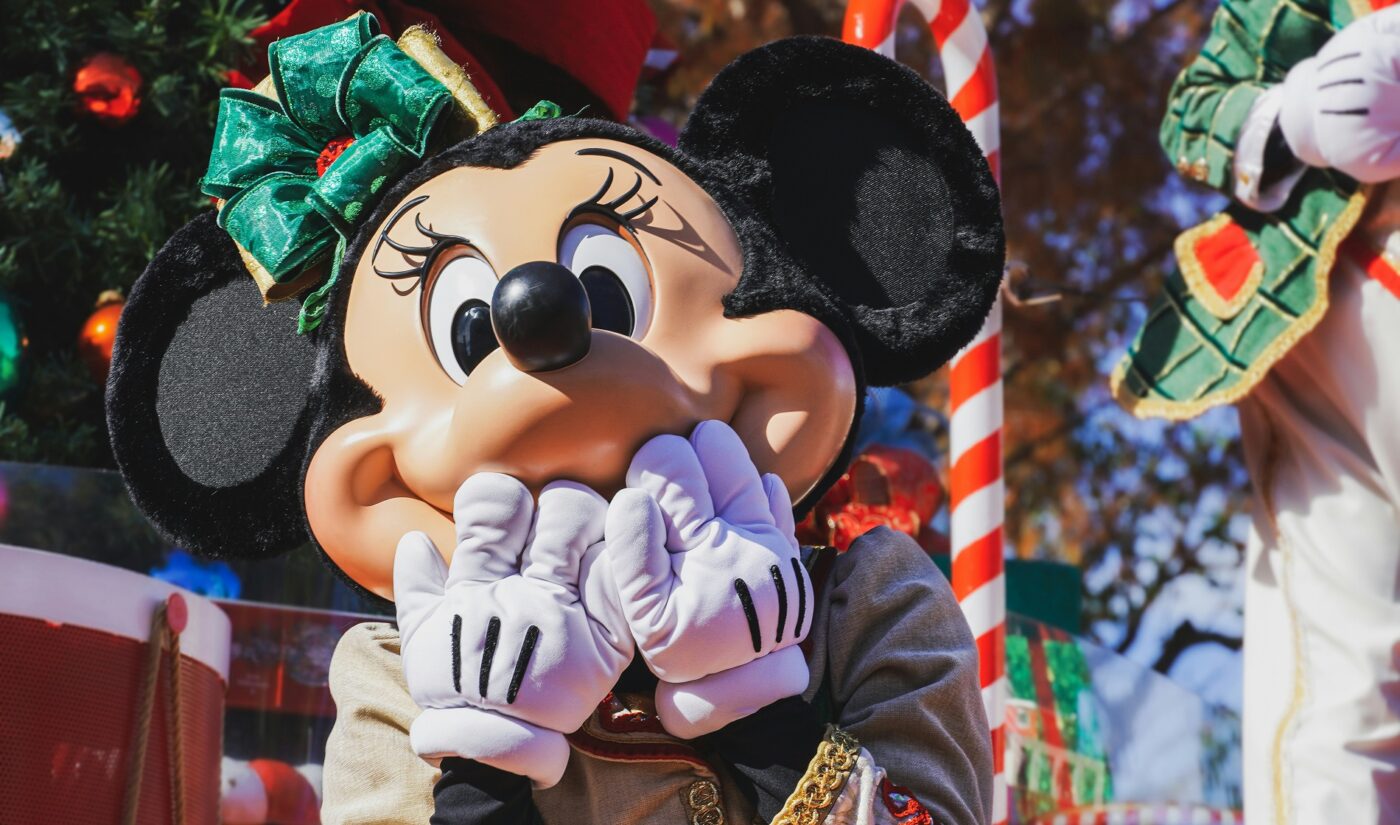
The Mouse House has agreed to pay its own $10 million fine to the FTC for failing to label its YouTube videos as made for kids, thus resulting in ad data being collected from users under 13.
The FTC’s complaint alleged that Disney had a corporate policy to designate individual channels as either ‘made for kids’ or ‘not made for kids,” instead of individual videos. This resulted in channels like those for Disney+, Pixar, and Walt Disney Studios, all of which produce some trailers, behind-the-scenes footage, etc, that could be aimed at adults, being broadly labeled as ‘not for kids.’
But, the FTC says, sometimes Disney did upload content to those channels that was made for kids. And, when it did that, it didn’t change the videos’ individual labels–it just went with the default channel label for all of them, resulting in videos incorrectly being labeled as ‘not made for kids.’
Examples it cited included clips from franchises like Toy Story, Cars, and Frozen (uh oh). The FTC’s complaint alleged that because Disney didn’t label these clips properly, YouTube was “able to collect persistent identifiers from the children watching them and use that data to serve targeted advertising,” attorney Franklin Graves wrote for Creator Economy Law.
Disney also earned revenue from the higher-priced, targeted ads that were run on those clips, the FTC said.
Additional notes in the complaint said Disney caused “downstream harms” by exposing kids to public comment sections and causing other ‘not made for kids’ channels to be served up to child viewers via YouTube’s autoplay Watch Next feature.
YouTube apparently warned Disney in 2020 that it had reclassified over 300 of the Mouse House’s uploads from ‘not made for kids’ to ‘made for kids,’ but Disney still didn’t change its channel-wide policy.
“This case underscores the FTC’s commitment to enforcing COPPA, which was enacted by Congress to ensure that parents, not companies like Disney, make decisions about the collection and use of their children’s personal information online,” FTC Chairman Andrew N. Ferguson said in a statement. “Our order penalizes Disney’s abuse of parents’ trust, and, through a mandated video-review program, makes room for the future of protecting kids online-age assurance technology.”
Like YouTube’s, Disney’s FTC settlement comes with more than a multimillion-dollar payment as penalty. Per the terms, it’s required to form an Audience Designation Program that will manually review each video it publishes to YouTube and apply a ‘made for kids’ or ‘not made for kids’ label. That means no more channel-wide labeling.
Now, does this settlement mean the FTC will come after every individual creator who fails to properly label a YouTube video? Probably not. Disney is a massive entertainment conglomerate that was pumping out hundreds of videos and (allegedly) flagrantly ignoring at least one warning from YouTube to make sure it abided by COPPA. A creator who mistakenly mislabels a video might get a “Hey, don’t do that” from YouTube, but likely won’t wind up with the FTC on their doorstep.
However, this should be a wake-up call to any creators who do make large amounts of kids’ content and consistently fail to label it, or have been operating on a similar channal-labeling-instead-of-video-labeling system. The FTC has made it clear: If you choose not to use the child privacy tools YouTube provides, it won’t come after YouTube.
It’ll come after you.