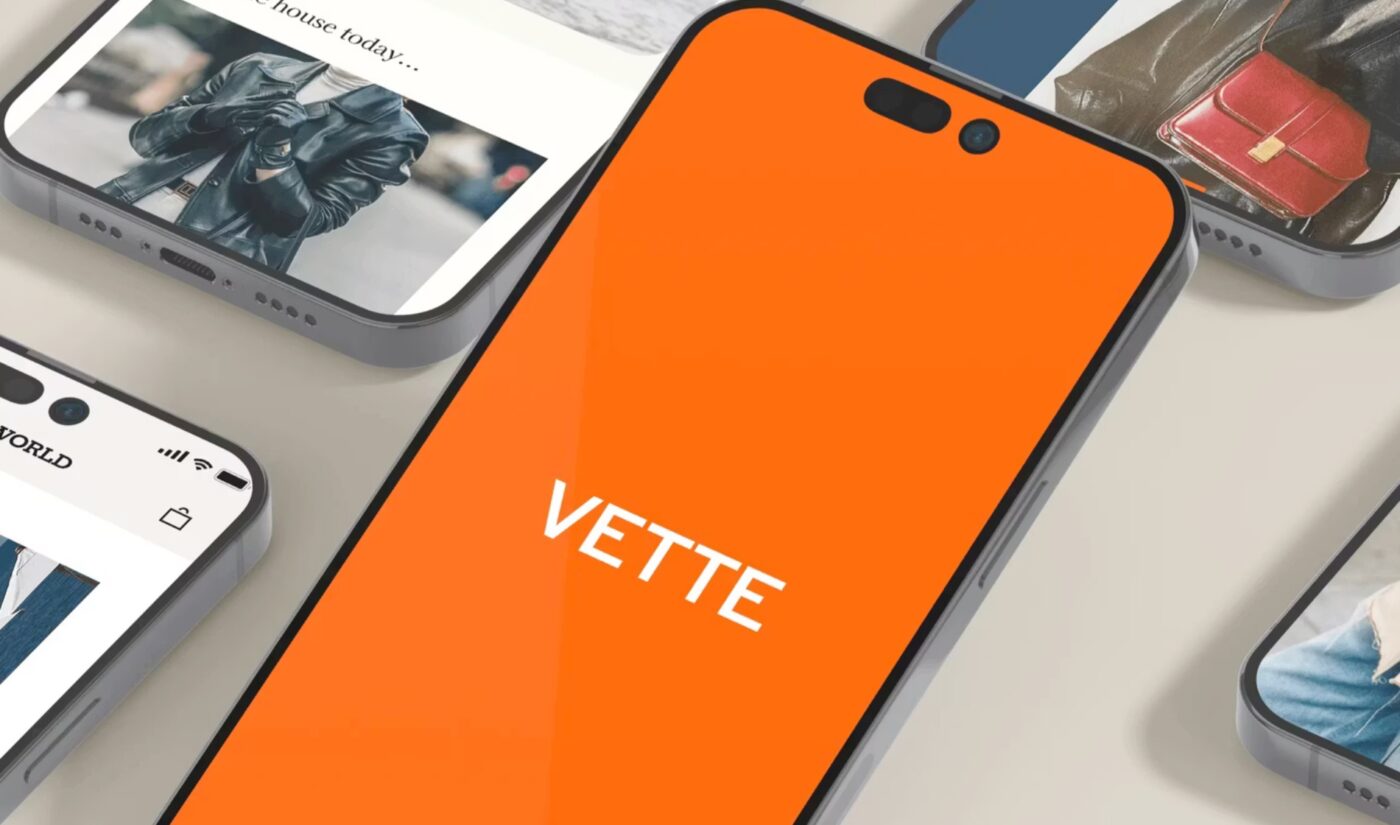
Many consumers turn to platforms like YouTube and TikTok in search of product recommendations from their favorite creators. Most brands are happy to capitalize on those interactions through sponsorships and other forms of influencer marketing, but an increasing number of businesses are looking to bring that exchange onto their owned-and-operated hubs.
In recent days, two separate companies — one in the retail sector and another in the world of media — have announced new products that will foster the development of creator-curated storefronts that exist outside of social feeds. Sephora is expanding its ecommerce operation through a venture called My Sephora, while Condé Nast is ramping up its creator-centric activity with an upcoming app called Vette.
With Vette, Condé Nast is looking to combine the basic structure of an affiliate marketing campaign with the flexibility and efficiency of creator-curated hubs. When Vette launches in early 2026, it will equip editors and influencers the tools they need to set up boutique ecommerce destinations. Lisa Aiken, Condé Nast’s SVP of Commerce, described the platform as “a new route to market” that can drive sales without requiring foot traffic, direct-to-consumer actions, or clunky affiliate marketing links.

Subscribe to get the latest creator news
My Sephora brings a similar setup to the realm of beauty products. The platform’s users, described as “creators and influencers,” will be able to curate storefronts that will live on the Sephora website.
Condé Nast and Sephora will join the other brands that have launched creator programs to beget digital storefronts. Two notable adopters of that strategy are Best Buy and Dick’s Sporting Goods, who are following commercial trends into the creator economy.
Those moves are predicated on research that shows the power of the creator-fan relationship. Among younger generations, many consumers trust creators more than brand voices. As influencer marketing campaigns look for more cost efficiency, brands are turning to digital storefronts to leverage the perceived closeness between creators and their followers.
Sephora President and CEO Artemis Patrick invoked the power of creator trust when she announced My Sephora at the Fast Company Innovation Festival. “Whether it’s the app, desktop or mobile, they can just go on, they create it and it’s shoppable and right, and it’s a very seamless experience, and it’s very, very authentic for both the creator and the consumer,” Patrick said.
View this post on Instagram
Perilous economic conditions could bring significant changes to the creator economy, but for now, the ecommerce iron is hot — and brands are striking. If you’re finding that more of your purchases are coming through curated storefronts, the latest updates from major consumer-facing brands will show you that you’re not alone.