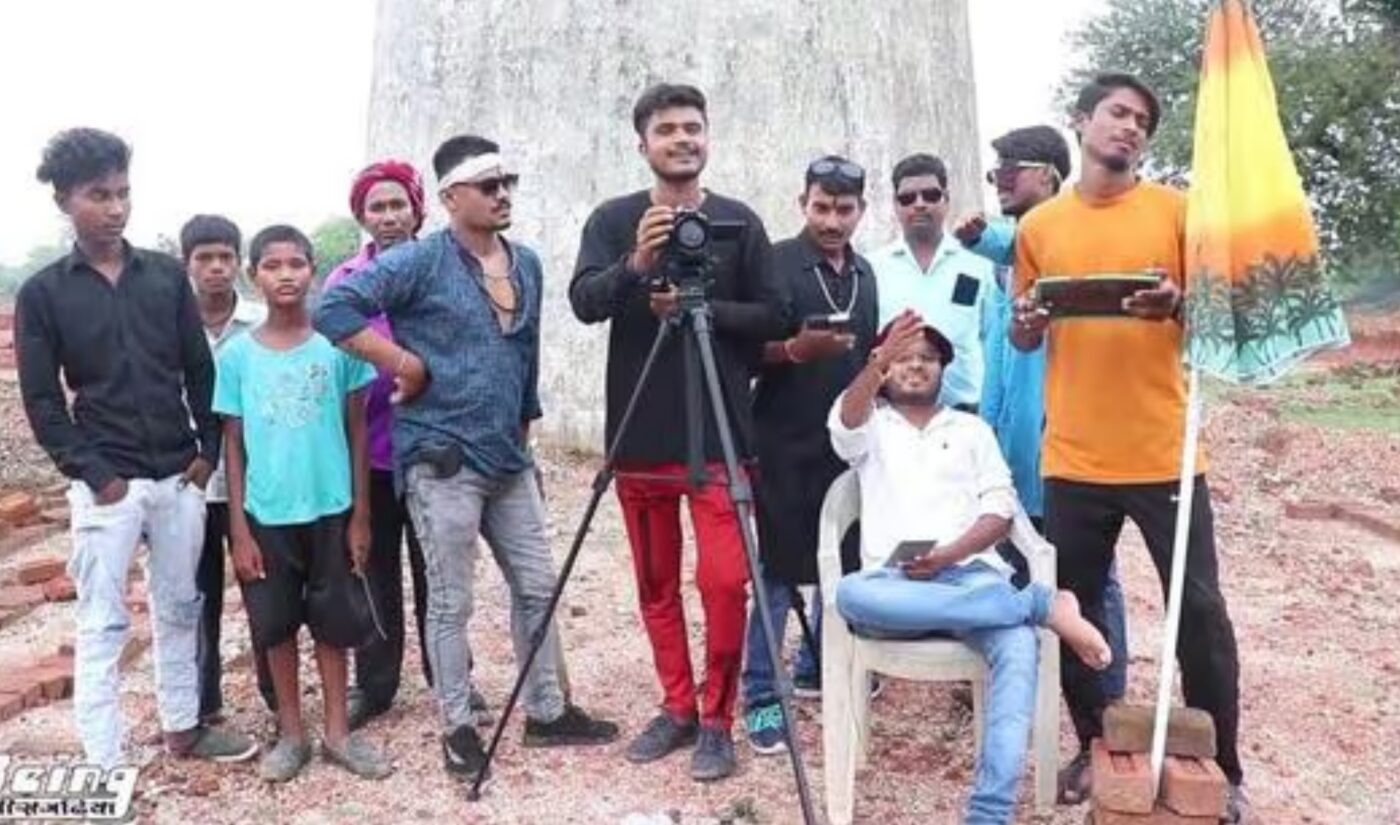
Tulsi, a small village in the Indian state of Chhattisgarh, has become its nation’s answer to Greenville, North Carolina. Though it was once nothing more than a small dot on the map, Tulsi has been transformed by the creator economy, with approximately one-fourth of its population making videos for platforms like YouTube.
The story of Tulsi’s creator community begins with Being Chhattisgarhiya, a YouTube channel co-founded by Jai Varma and Gyanendra Shukla. Thanks to a few viral sketches, Being Chhattisgarhiya reached a six-digit subscriber count, allowing Varma and Shukla to earn more than 30,000 rupees per month. Though that sum only translates to about $346, it’s similar to the average monthly salary for an Indian schoolteacher.
The success of that channel inspired more Tulsi residents to pick up cameras and press record. According to one estimate, there are more than 1,000 active creators in Tulsi, which counts a total population of only 4,000.

Subscribe for daily Tubefilter Top Stories
The so-called “YouTuber village” is part of a broader trend that has seen creator content explode in India’s non-English-speaking communities. Channels that use regional South Asian languages have hauled in billions of views by connecting with hard-to-reach consumers in rural areas.
KL Bro Biju Rithvik is a notable example; its Malayalam-language videos regularly approach the top of our Tubefilter charts. Tulsi’s regional dialect is Chhattisgarhi, which is featured in music videos that have received millions of YouTube viewers.
Financial firms are investing millions in companies that can target regional Indian communities, and the YouTuber village is seeing some of that green. Regional authorities in Chhattisgarh spent 2.5 million rupees (~$28,600) to open a studio space for Tulsi-based creators.
Tulsi has enjoyed several benefits since the creator economy became its primary business. In addition to the financial gains, there have been fresh opportunities for local women like Pinky Sahoo. Indian women face widespread discrimination and sexual violence, but YouTube has turned creators like Sejal Gaba and Geeta Gurjar into self-sufficient stars.
In general, Tulsi’s focus on video production is keeping the community safe. “It is keeping the children away from bad habits and crime,” said local farmer Netram Yadav. “These content creators have made everyone in the village proud for what they have been able to achieve and do.”
Could a remote American location advance itself by following Tulsi’s lead? For most of YouTube’s existence, U.S. creator culture has been concentrated in major cities like Los Angeles, New York City, Dallas, Atlanta, and Salt Lake City. In recent years, stars like MrBeast and Danny Duncan have shown that it’s possible to reach millions of subscribers while maintaining a hometown residence — and small-town mayors should be paying attention.