A California bill that regulates social media feeds for minors has been signed into law. SB976, as the statute is known, will introduce protections for underage users on platforms like TikTok.
SB976 contains multiple components that will work together to ameliorate the addictive qualities of social apps and their recommendation algorithms. Once the law goes into effect, social media apps would be barred from sending notifications to California minors during school hours (8 AM to 3 PM on weekdays). To cut down on mindless late-night scrolling, a similar embargo will be in place between the hours of midnight and 6 AM.
The law also limits kids’ and teens’ exposure to algorithmic recommendations by requiring platforms to provide underage users with a depersonalized experience (e.g. a feed in chronological order). In the case of both the notification curfews and the new feeds, parents will have the authority to opt out on behalf of their children.

Subscribe for daily Tubefilter Top Stories
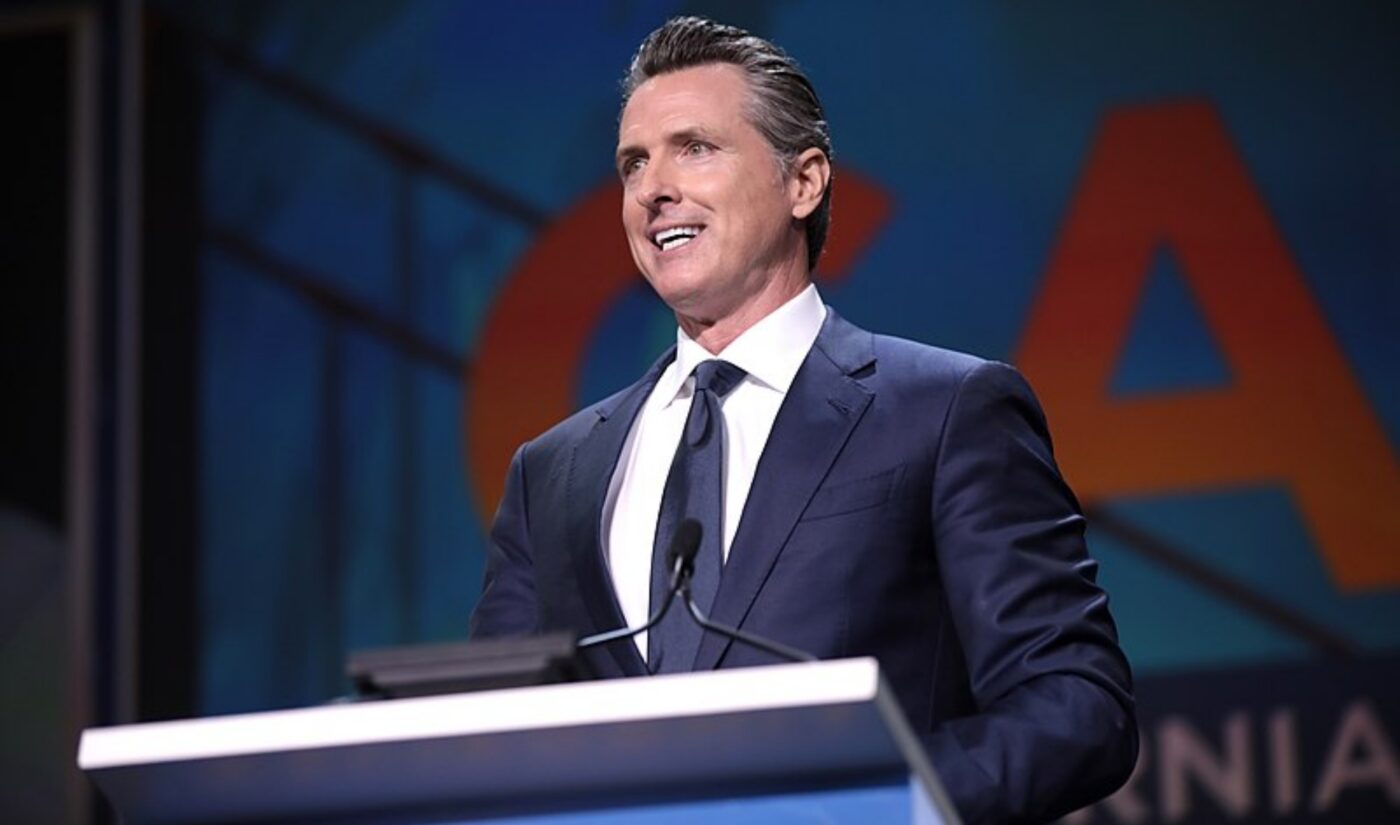
“Every parent knows the harm social media addiction can inflict on their children — isolation from human contact, stress and anxiety, and endless hours wasted late into the night,” said California Governor Gavin Newsom in a statement. “With this bill, California is helping protect children and teenagers from purposely designed features that feed these destructive habits.”
There has been a groundswell of support for measures that remove personalization from interfaces like the TikTok For You Page. The European Union compelled TikTok to roll out a feed devoid of algorithmic recommendations, and several U.S. states have sought similar protections, particularly for underage users. A Utah law designed to protect minors on social media is currently wrapped up in court, New York has proposed a similar law to California’s SB976, and Illinois has required proper compensation for child creators.
California’s effort could up the ante, since many of the tech companies targeted by SB976 are headquartered in The Golden State. Some of those companies have already taken steps to address the social media industry’s impact on the youth mental health crisis. YouTube has introduced a litany of features to shelter underage users, and TikTok has debuted sliders that adjust the frequency of specific content types on the For You Page.
With support for the federal “divest-or-ban” law fading, statewide measures could be the future of social media regulation in the United States. But even laws like SB976 will be subject to scrutiny. Though there is evidence to suggest an inverse correlation between addictive social feeds and youth mental health, some researchers are pushing back on that assertion.
“If you’re taking away something that could be a lifesaver for somebody by reducing loneliness and isolation, that could be doing more harm than good,” Wellesley Centers for Women researcher Linda Charmaraman told The Washington Post. “It would make a much more long-lasting impact if the surgeon general would talk about prevention and knowledge and education rather than, ‘There’s this bad product, and we need to warn you.'”
Californians will have plenty of time to debate the pros and cons of SB976 before it takes hold. The law is not expected to go into effect until 2027.