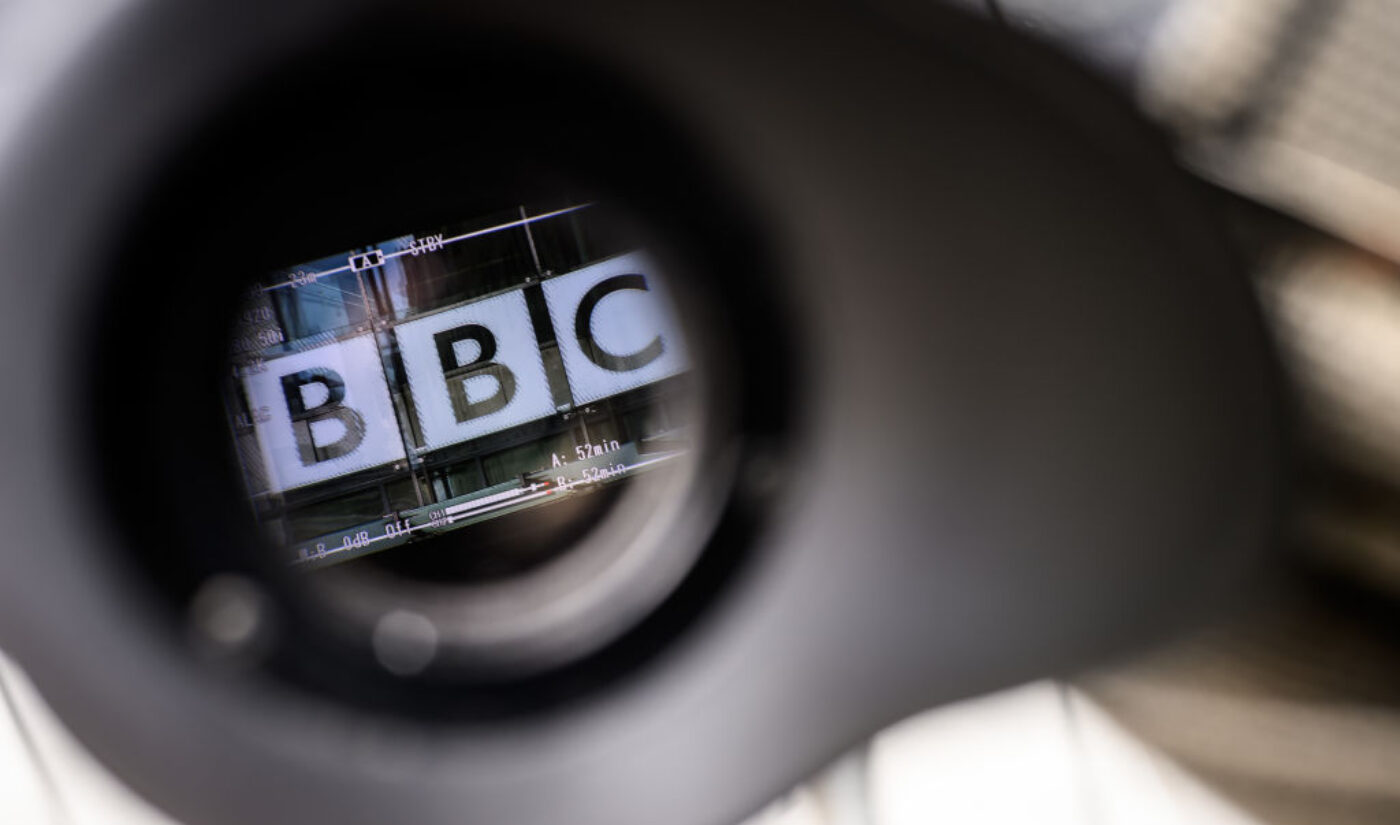
The BBC wants original documentaries to publish on its YouTube channel–and it’s willing to pay £50,000 per film.
In a brief on the BBC’s website, it said it’s looking for “ideas that are conceived for YouTube from day one,” and target a 16-to-24-year-old audience.
“Our ambition is to build distinctive public service brands that reach younger audiences where they already spend their time, while introducing new audiences to BBC content,” it says in the brief, which is open on a rolling basis for the foreseeable future.

Subscribe to get the latest creator news
As you may know, the BBC officially joined forces with YouTube this past January. It closed what Financial Times called a “major content deal” just days after the U.K.’s audience measurement/TV ratings org revealed YouTube had pulled more viewership than the BBC in December 2025. (Not entirely unexpected: It’s been the U.S.’s leading distributor of TV content for the past year.)
The duo’s deal includes original BBC productions having an exclusivity window on YouTube before they’re deployed on the BBC’s own digital streaming platform, iPlayer.
This new brief echoes what we already knew about the deal: that the BBC’s main goal with YouTube content is reaching younger audiences.
Aspiring documentarians will be pitching for BBC deepwatch, a developing vertical BBC describes as its “YouTube-first documentary destination for 16-24 year-olds, exploring the people, communities and experiences shaping the UK.”
The BBC says it’s looking for docus that are “built around people rather than issues alone,” have compelling premises with titles and thumbnails that will “earn the click” in the vast sea of YouTube UGC, “visible progress and a satisfying viewer pay-off,” expert contributors with “genuine relevance to the target audience on YouTube,” films that can “build communities around shared interests”–all of it delivered in style with the BBC’s “distinctive […] public-service storytelling.”
If the BBC likes a pitch, it’ll toss over £50,000 (~$67K USD) per documentary to compensate production–a number it acknowledges might not cover a lot: It urges filmmakers to use “lean teams and simple production set-ups,” and admits that “[i]deas requiring extended access, complex legal negotiations or significant archive clearance are therefore unlikely to be suitable.”
Accepted and paid documentarians have three months to finish their projects, and the final films must be at least 25 minutes long.
While the BBC doesn’t explicitly say it’s looking for established/experienced YouTube creators, anyone who’s been in our space will know there are plenty of longtime YouTubers who would be great fits. There are thousands of creators who have built significant audiences by self-producing in-depth, often investigative documentaries on lean budgets.
If the BBC is determined to find someone who already understands the YouTube ecosphere and what audiences want, it’d be smart to seek creators first.