In August, U.K.-based measurement nonprofit Barb announced that it would provide Nielsen-style ratings to track YouTube viewership on TV screens. The theory behind the move was sound: YouTube’s TV traffic is ballooning, but marketers are still complaining that available measurement options are not up to snuff.
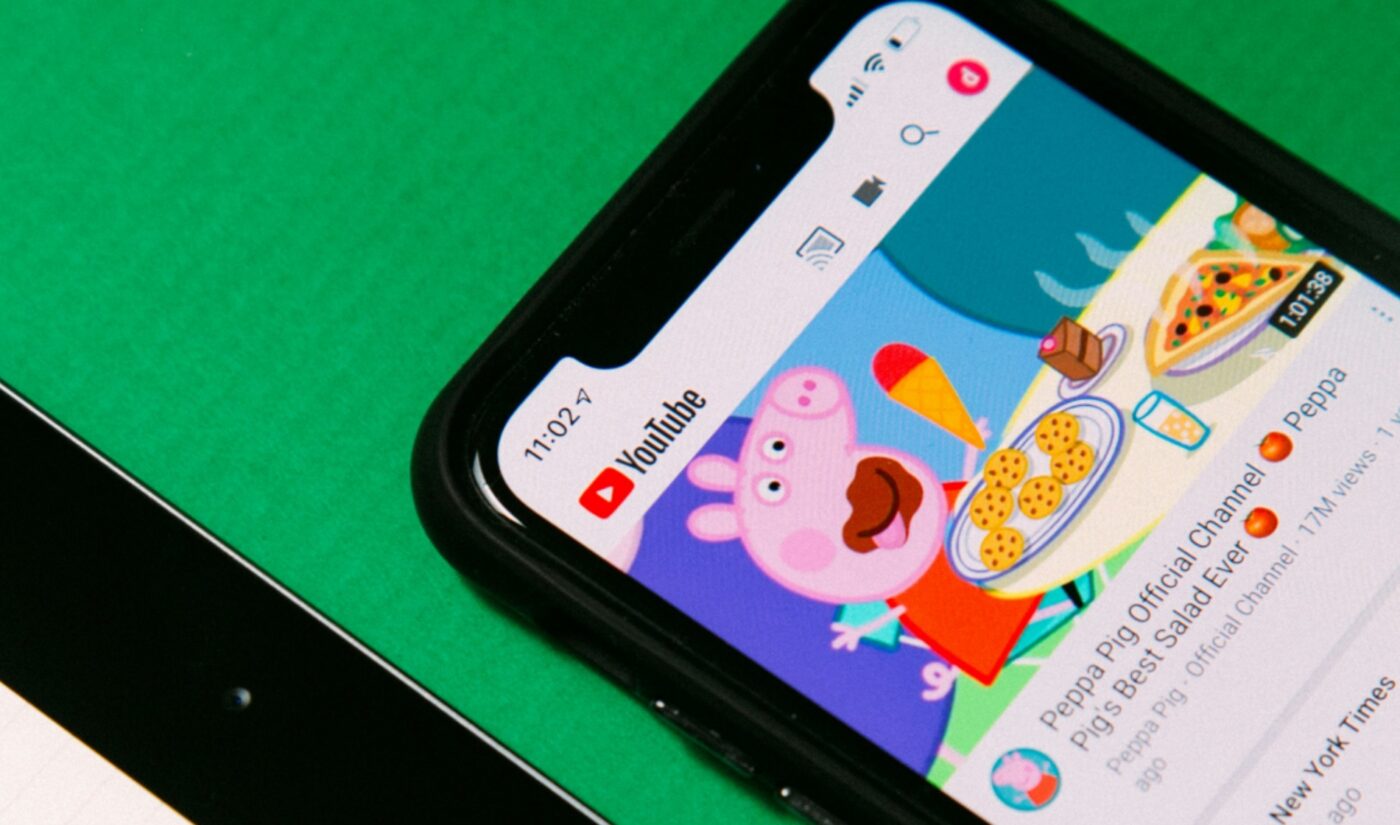
Seven weeks into its initiative, Barb shared the first results from its YouTube-based human panels. The key findings will not surprise those who keep an eye on Google’s video platform: Children’s content is king. Among the 200 channels included in Barb’s TV set analysis, the official hub of Peppa Pig consistently ranked #1 in viewership by averaging about one million weekly viewers during the early days of Barb’s analysis.
Among the top 20 channels in Barb’s data, at least 12 are classified as hubs aimed at young audiences. Viewership data indicated that those channels are hitting their targets. During an average week, approximately one in five U.K. children engaged with the 200 channels Barb measured, and a viewership spike around 3pm confirmed that many school-age kids turn on YouTube on their TV sets once they get home.

Subscribe for daily Tubefilter Top Stories
Some kid-friendly videos like a KPop Demon Hunters clip uploaded by the JoBlo Animated Videos channel, got comparable audiences to traditional TV shows like Chicago Fire, according to Barb Head of Insight Doug Whepdale. Peppa Pig‘s YouTube reach compared favorably to its audience on terrestrial broadcaster Channel 5 and streaming hub Netflix.
Despite those accomplishments, Barb found that traditional channels are still outpacing YouTube in some ways. If public broadcasters were to be included in Barb’s ratings, then ITV1, Sky Sports, Sky News, and GB News would have all ranked among the top ten channels in terms of weekly reach. The overall YouTube audience on TV sets during the final week of August — which came in a little bit below 22 million people — was “significant, for sure, but not quite as large as the reach for BBC One, ITV1, or Netflix for the same week on a TV set,” Whepdale said.
Whepdale therefore argued that young viewers are “disproportionately important” for YouTube, since their Q2 viewing time was about 12% higher than their representation in the U.K. So Ms. Rachel and Blippi won’t be leaving British living rooms anytime soon, much to the BBC’s chagrin.
At least one key player isn’t on board with Barb’s findings: YouTube itself argued that the ratings are limited and not necessarily representative. “In the UK we have an integration with Ipsos/Iris which provides accurate reporting on YouTube watchtime, and we also partner with third parties including Nielsen, Audience Project and ISBA’s Origin measurement service,” stated a YouTube spokesperson. “In May 2025 Ipsos found that 47.9 million people in the UK aged over 18 watched YouTube including spending 36 minutes a day watching YouTube on Connected TV.”