In May, we wrote about how consolidation has come to the multibillion-dollar king of the metaverse, Roblox.
Now, thanks to Bloomberg, we know more. In the last six months, midsize game development companies focused on the platform, like DoBig Studios and Voldex, have been acquiring top-performing games from independent (and often anonymous) developers for millions of dollars apiece. These companies are effectively becoming the Electronic Arts of Roblox: They snap up games that are already fleshed out with functionalities and flush with users, then build future updates for those games using bigger in-house teams.
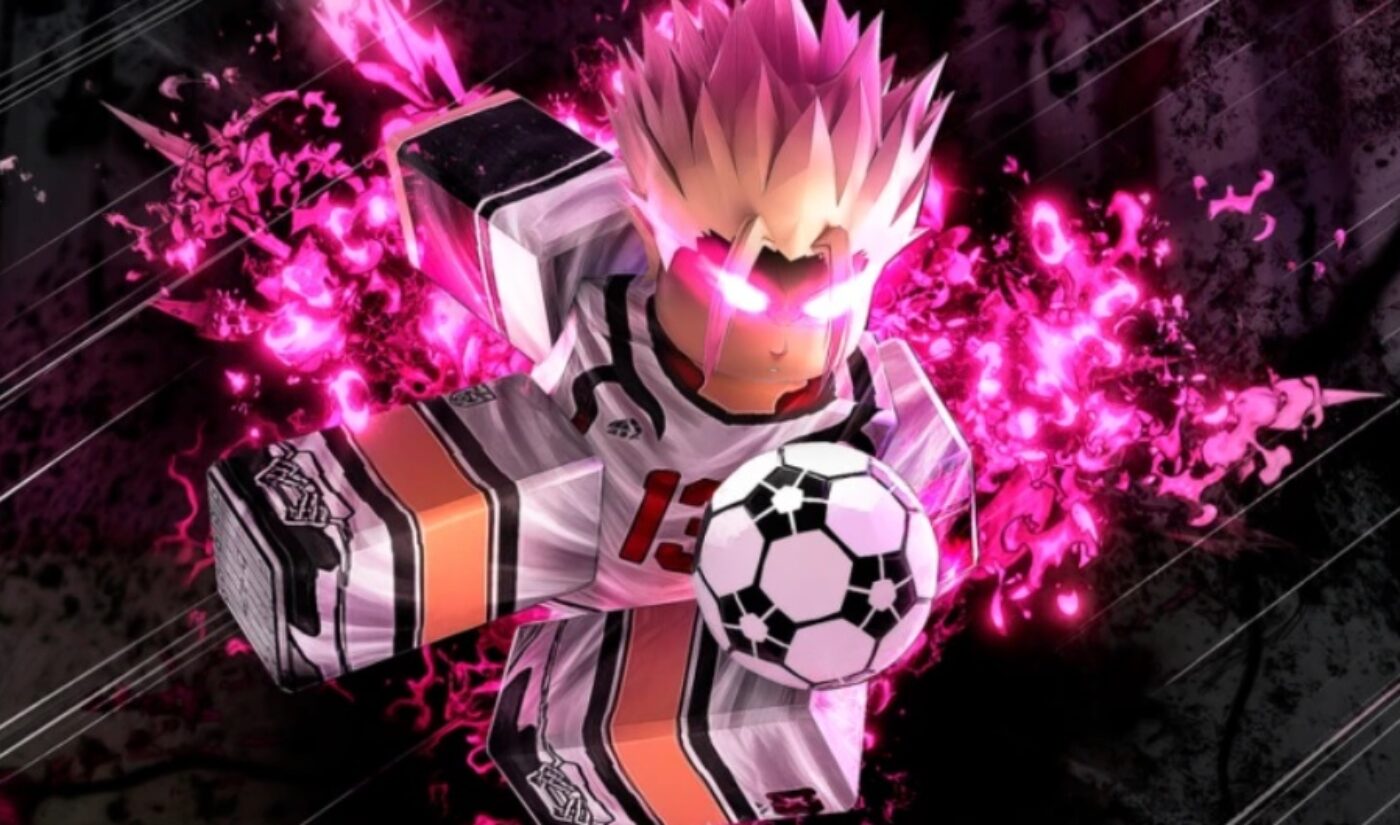
Just as we’ve seen with video creators on platforms like YouTube, TikTok, and Twitch, if an independent Roblox developer’s game goes viral, it can rake in life-changing amounts of cash. Blue Lock: Rivals, a soccer game with sports anime aesthetics, released in June 2024, and currently has around ~50,000 live players at any given time.

Subscribe for daily Tubefilter Top Stories
As Bloomberg reports, it was made by an anonymous 19-year-old who produced it in just three months. When it took off, attracting, at times, over 1 million concurrent players, and generating $5 million/month in in-game purchases, he received an offer from DoBig Studios: $3 million in exchange for ownership.
The financial terms of most Roblox acquisitions are not made public, but we get the sense this is not an unusual figure for top games. Grow a Garden sold to DoBig in May, and had 21 million concurrent players–so you can guess what the offer was like, based on that figure vs Blue Lock‘s 1 million players.
Voldex, meanwhile, has acquired two major Roblox games: Welcome to Bloxburg and Brookhaven RP. It didn’t release financial figures for either, but said it paid more for Brookhaven than Bloxburg.
Even without the specifics of certain deals, we can say–based on the figures that have been released–individual developers are getting multimillion-dollar deals for their Roblox games. And one other thing is certain: These midsize developers are increasingly buying up titles, setting up a pipeline for successful indie devs to make some cash off their ideas, and setting up a portfolio for themselves. This is leading to a future where we’ll likely see just a handful of companies running most major Roblox games–sort of like the Big Five in book publishing.
As for why more acquisitions are happening now, there’s two reasons. The first is that Roblox has hit a natural growth stage (again, like YouTube) where it’s gone mainstream, with big brands paying for ads there and more non-gamers/non-online people becoming aware of its existence. The handful of companies that are already established and savvy in this space see opportunity to grab acquisitions while they can, before the normies get wise and start making offers of their own.
The other reason is more technical. Before December 2024, it was against Roblox’s TOS to sell a game. Sure, sales still happened; Bloxburg and Brookhaven, for example, were both sold prior to that change. But they weren’t really allowed, so there was always a risk that a developer could spend hundreds of thousands or millions on a game, and then Roblox could decide to ban that game because it was sold. (We’re guessing it didn’t do that because Bloxburg and Brookhaven both generate cash for it.)
In December, though, Roblox added a function within its platform that lets developers transfer ownership of games, effectively giving the go-ahead for these sales. It told Bloomberg it’s not participating in said sales–but we know it still benefits, since under their new and bigger owners, top-earning games can make it even more money.
What does all this mean? Well, over the next year+, we expect to see this EA-esque pipeline become further established, with more indie devs choosing to sell their Roblox games to mid- and large-size game companies, and walk away with millions.