YouTube‘s new feature lets creators exercise some control over the training of generative AI models. A “third-party training” toggle on the YouTube Studio dashboard allows creators to submit their content to AI developers — if they so choose.
By default, videos will be opted out of AI training. But if creators and other rights holders so choose, they can release their content as informative material for generative AI models. The YouTube Studio menu provides multiple options: Creators can either allow all third parties to use their videos for training, or they can pick out specific companies from a list and grant training access to those firms only.
The 18 companies listed include some familiar tech giants (Apple, Meta, Amazon), innovators in the generative AI space (Nvidia, OpenAI), and precocious upstarts (Anthropic, Complexity). Creators should note that if they give blanket approval to third-party trainers, that applies to all companies, not just the ones on the list.

Subscribe for daily Tubefilter Top Stories
Though some companies investing in generative AI have seen their earnings skyrocket, the creators powering those systems have called out big tech firms for repurposing their intellectual property without consent. YouTube heard those complaints and promised to introduce tools that “protect creators and artists.” The third-party training toggle, which resembles other creator protections developed within the AI world, is one of YouTube’s first AI safeguards to reach the public.
“We see this as an important first step in supporting creators and helping them realize new value for their YouTube content in the AI era,” reads a Google forum post introducing the third-party training toggle. “As we gather feedback, we’ll continue to explore features that facilitate new forms of collaboration between creators and third-party companies, including options for authorized methods to access content.”
Technically, the new tool doesn’t change the status quo for unauthorized AI scraping on YouTube, since that tactic already violated the platform’s Terms of Service. But the rules didn’t seem to stop generative AI developers from obtaining unauthorized YouTube content through other means. For example, a widely-circulated data set called “The Pile” includes captions from a significant number of YouTube videos.
A YouTube rep told TechCrunch that the company is unable to determine whether the new toggle will lead to any retroactive enforcement for training that has already occurred. Therefore, it’s unclear how much the third-party training tool will actually change the chilly state of affairs between YouTube creators and AI developers.
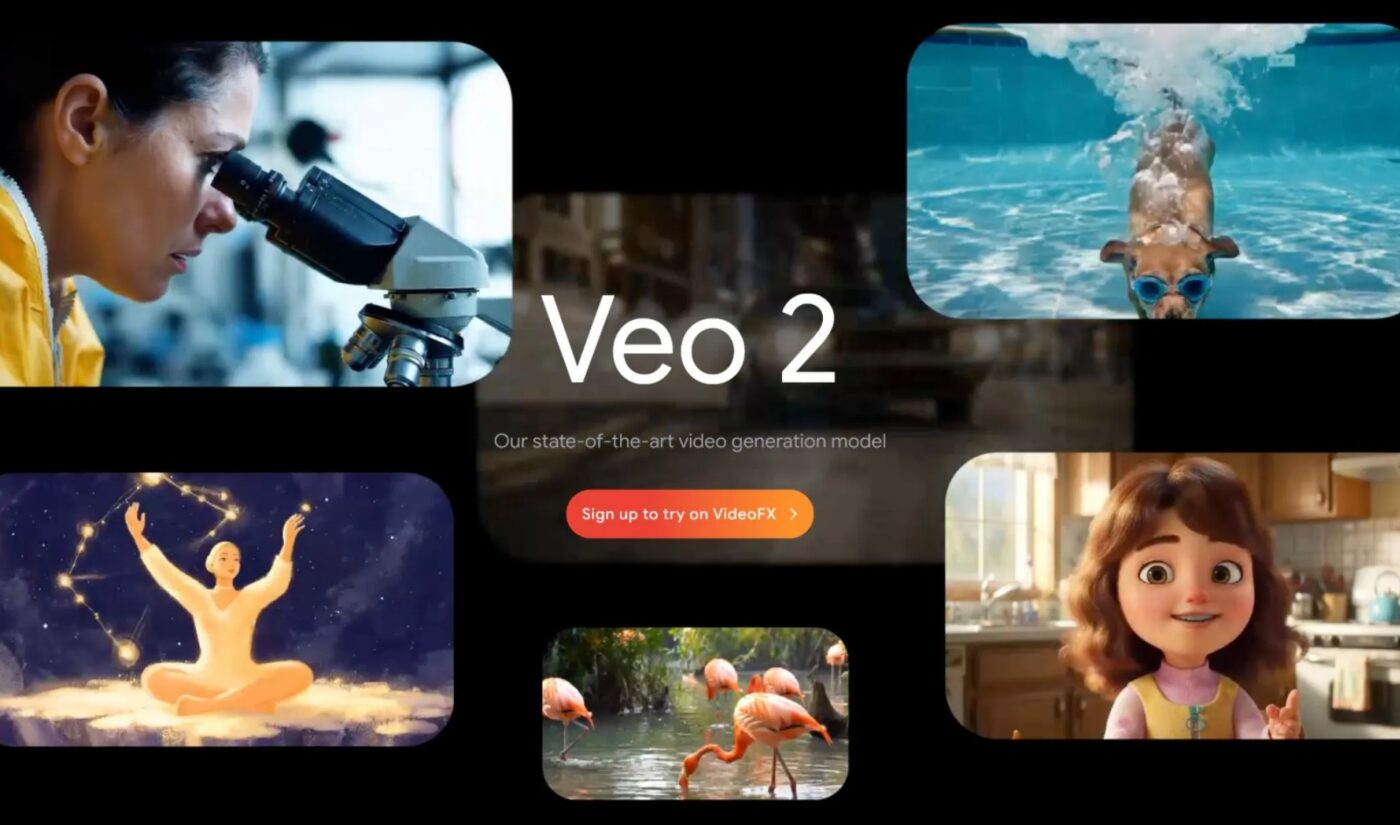
Google has its own ambitions in the AI space, with its new video generation model Veo 2 looking to compete with OpenAI’s Sora. YouTube may struggle to contain unauthorized AI training on other platforms, but it is creating a more ethical standard for its in-house, AI-driven innovations. For frustrated creators, that’s a big step forward.