We already knew video game enthusiasts watch billions of hours of content every month on platforms like YouTube and Twitch. Gaming helped make the modern creator industry: early Minecraft Let’s Plays established YouTube as a place where gamers could make money–and full-fledged careers–doing what they loved, and a 2014 stream of Pokémon Red became a defining moment for Twitch.
But according to a new report from MIDiA Research, gamers are actually more keen to watch content on these platforms than play their favorite titles themselves.
The London-based analytics firm found that gamers typically spend around 7.4 hours per week playing games, but 8.5 hours per week watching gaming-related videos and streams.

Subscribe to get the latest creator news
That may seem like a slight difference, but it indicates that content creators are a major part of the fan experience for gamers. Gaming enthusiasts (who, let’s be real, are known for being very passionate) are willing to spend more time watching creators than holding controllers themselves.
And MIDiA argues that game publishers should be paying more attention to that statistic. Players going to sites like YouTube and Twitch means “revenue [is] left on the table” by developers, Midia said in its study report. It added that publishers are “ceding significant revenue opportunities–especially advertising–to third-party video platforms, even as the games market faces growth challenges.”
So, what’s the solution? Well, MIDiA thinks publishers should look at ways to incorporate video content into their games.
“It’s time for game publishers to think about in-game video as something beyond marketing alone,” Rhys Elliott, a Games Analyst at MIDiA Research, said in a statement. ”By reclaiming video engagement, publishers have the potential to unlock new revenue streams, like advertising, and drive growth.”
MIDiA added, “The opportunity is all about publishers capturing video-related consumer engagement, generating new engagement, and—most importantly—unlocking new revenue streams in a stagnant games market.”
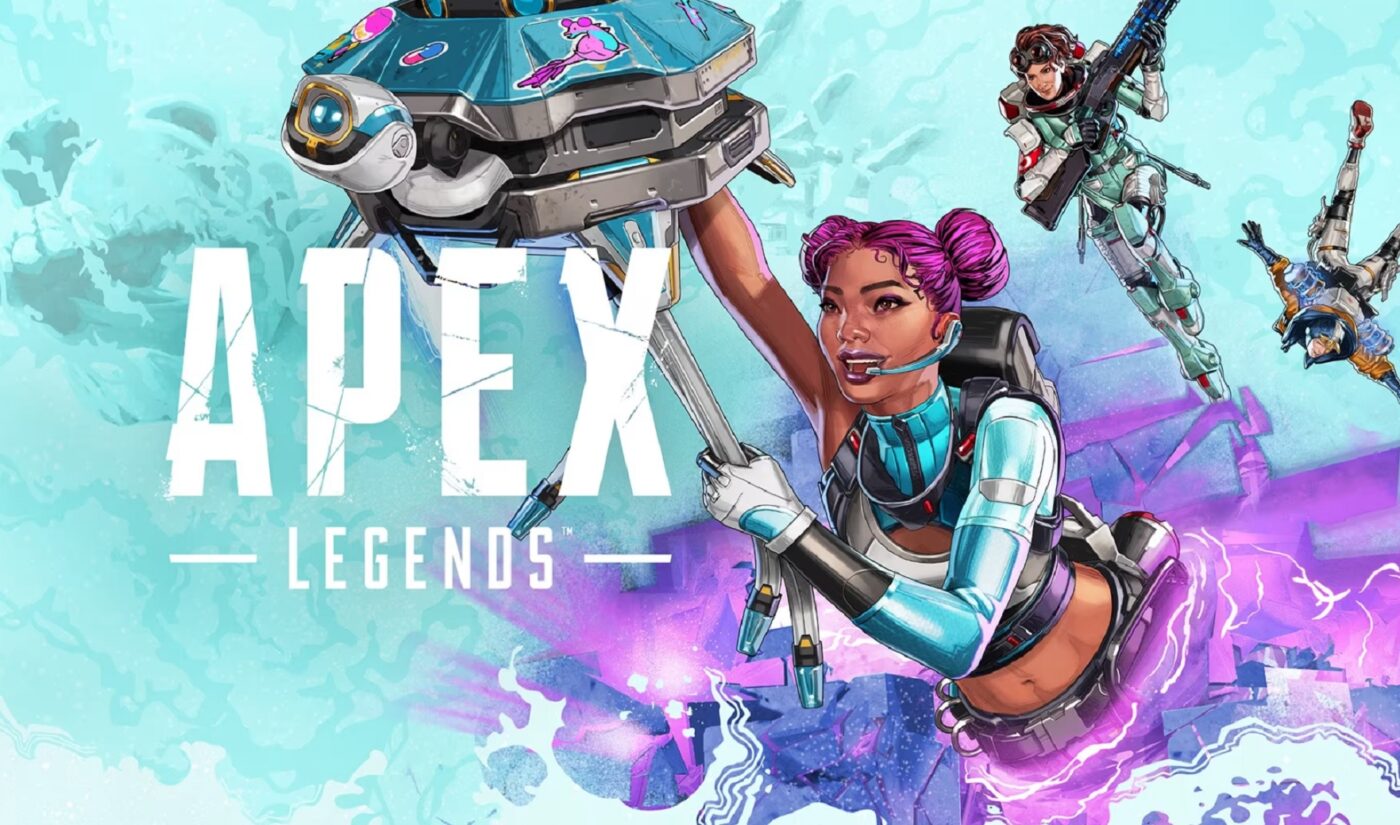
We’re not exactly sure what “in-game video” means in this context. Some of the biggest games out there are first-person shooters like Apex Legends and Overwatch. Are publishers meant to splash gameplay footage from well-known content creators across buildings within the map, during matches? Or does MIDiA envision that when a player logs in to the game, the lobby has a tab where they can watch creators’ videos while waiting for matchmaking to toss them into combat?
The second scenario there might work, but we find it hard to imagine a world where every game publisher is expected to host its own individual user-generated content platform for each title it releases. Part of the reason YouTube and Twitch are so successful is because they contain content about countless topics, and they allow people to watch wherever they want, from multiple devices. Gamers spend so much time watching gaming content on these platforms because it’s accessible—and creators continue to post that content because YouTube and Twitch’s audience-growth tools and monetization systems allow them to earn a living from making videos.
Plus, it’s not like game-makers get zero benefits from creators on YouTube and Twitch. Publishers often partner with creators to spread the word about their games, and there have been cases where indie games blew up thanks to creator attention.
MIDiA also points out that 48% of gamers who watching gaming content at least once a month on YouTube/Twitch will spend money on in-game items like cosmetics. We can’t prove creators are responsible for driving any of that in-game revenue, but it is clear that gamers who are dedicated enough to seek gaming content during their downtime are willing to pay for game-related products.
We think game publishers should consider this report an indication of just how important content creators are in fandom. And, since games can live or die on fan support, it’s worth putting effort into deepening partnerships with creators on established platforms with big audiences—like YouTube and Twitch.