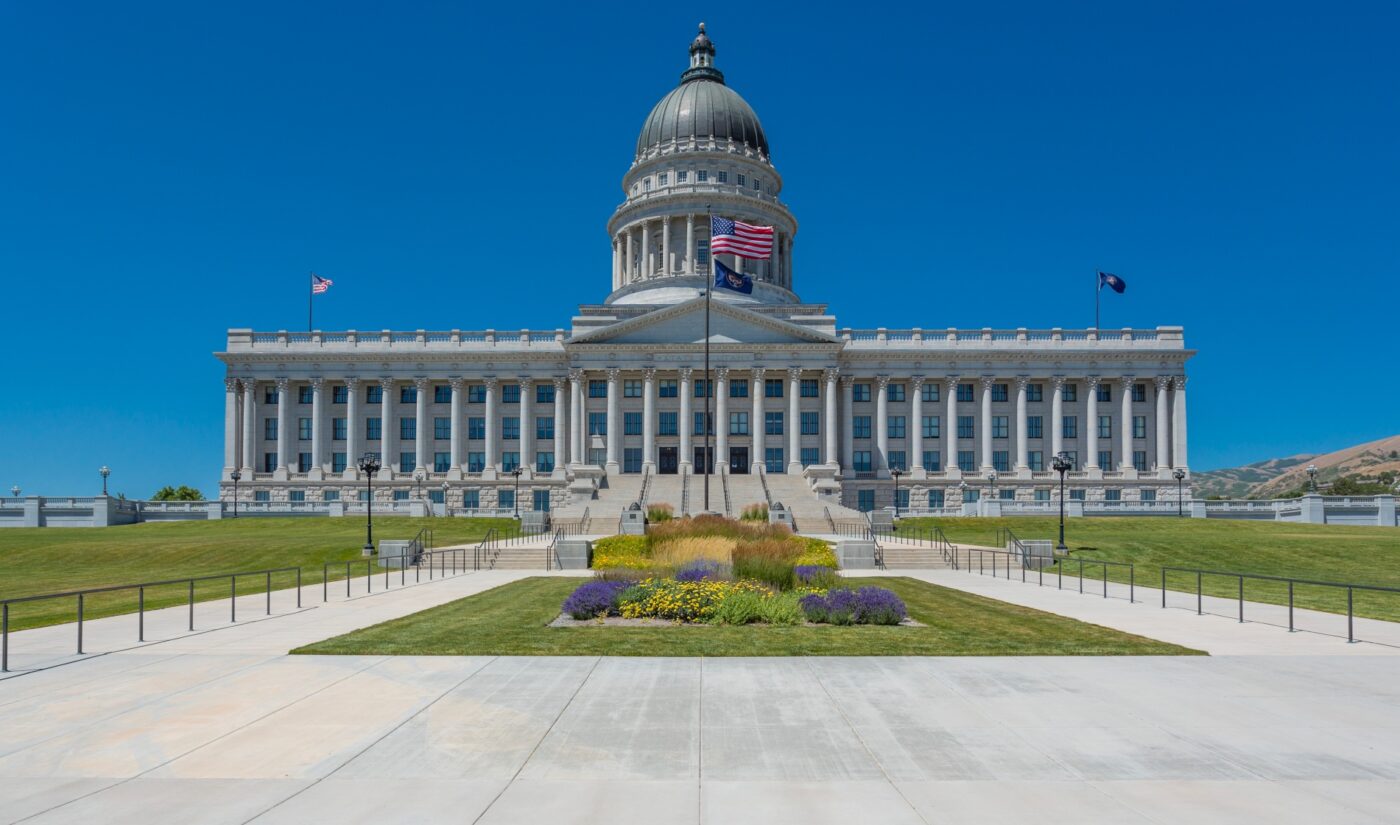
After winning a favorable ruling in Montana, TikTok is taking on a new legal battle one state to the south. In Utah, a trade group representing companies like TikTok, X, and Meta is looking to strike down restrictions that would require each social media user to verify their age.
Utah passed its social media law, titled SB 152, in March. At the time, Beehive State Governor Spencer Cox argued that his government is “holding social media companies accountable for the damage that they are doing to our people.”
SB 152 is slated to take effect on March 1, 2024. If it does, social media users in Utah would have to confirm that they are old enough to possess their accounts. Anyone who fails to confirm their identity would have their social access restricted. Users under 18 would only be able to open accounts with their parents’ written consent, and they would have to respect a curfew that begins each night at 10:30 PM.

Subscribe to get the latest creator news
NetChoice, a trade group that represents TikTok, X, and Meta, is claiming that SB 152 violates the First Amendment rights of parents and children. In a lawsuit filed on December 18, NetChoice reps argue that “draconian penalties” like the Utah mandate “will inevitably have spillover effects on the speech available to adults,” even if they only mean to target underage users.
That argument sounds similar to the rhetoric behind TikTok’s legal victory in Montana. The app convinced a judge that Montana had passed its TikTok ban to exert pressure on China, not to protect users.
The Montana case, like the ongoing dispute in Utah, is part of a broader culture war that has pitted social media companies against the American right wing. Republican governors led the movement to prohibit TikTok use on government-affiliated devices, and those decrees have held up in court. But in court battles related to the social media rights of ordinary citizens, platforms like TikTok have had the upper hand so far. In Utah, we’ll see if the state government can get a social media restriction to stick, or if NetChoice can defend its charges from a new set of proposed rules.