TikTok Shop‘s push into luxury goods isn’t stopping with the $11,000 handbags it listed. Another industry known for high-priced transactions is the world of fine art, and some artists are now selling their work directly to consumers via TikTok’s retial hub.
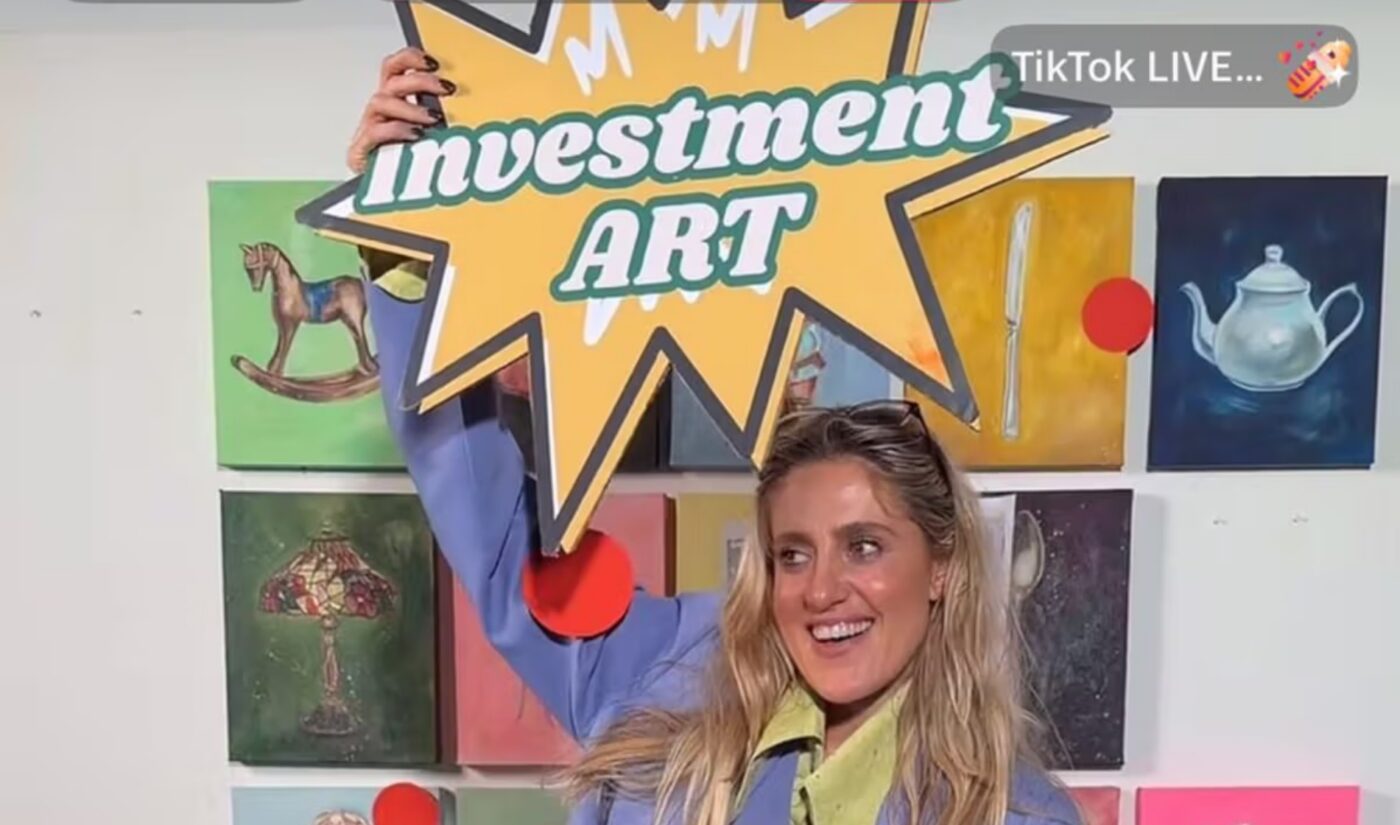
One of the first artists to sell pieces on TikTok Shop was Sophie Tea, a U.K.-based painter with a seven-digit TikTok following. According to The Art Newspaper, Tea reached out to TikTok Shop to explore the potential of a fine art category. After getting the go-ahead from the platform, Tea hosted a live stream where she sold her paintings for £2,800 (about $3,773) a pop.
For the artist herself, a TikTok Shop stream functioned as a democratization of the typically stuffy process of art sales. “The move reflects Sophie Tea’s ongoing mission to remove the barriers that have historically made the art world feel exclusive, opaque and inaccessible,” Tea said in a statement. “By selling directly through TikTok Shop, Tea bypasses galleries and intermediaries, allowing audiences to discover, engage with and purchase original art within the same space where creativity and community already thrive.”

Subscribe to get the latest creator news
On TikTok’s end, the price tags attached to the paintings supported ongoing ecommerce goals. By partnering with luxury icons like Kim Kardashian and listing some goods that cost a little more than the typical Temu purchase, TikTok Shop has looked to shed its reputation as a discount retailer. In the process, it has also raked in huge paydays.
In 2025, TikTok Shop dominated the Black Friday weekend by raking in $500 million from sales in the U.S. alone. “The launch of our fine art category expands the platform into high-value, collectable goods, demonstrating how discovery commerce can support premium products and build trust with both creators and audiences,” TikTok U.K. Head of Home and Living Marco Spaducci told The Art Newspaper.
Perhaps TikTok Shop will one day make the art gallery obsolete, but it has a long way to go before reaching that point. While Tea did sell all of the pieces she offered on her stream (and delivered a 9% commission to TikTok Shop along the way), she encountered numerous roadblocks that added friction to her selling process. Price caps on single items and built-in discounts for first-time shoppers limited her revenue, title rules required her to rename some of her pieces, and a glitch caused some items to be marked as sold while they were still available. TikTok’s rules also mandated that Tea could only sell to buyers based in the U.K.
Ultimately, Tea described the stream as an “absolute shit show,” but that doesn’t mean she’s done listing her work on TikTok Shop. The platform’s fine art category will need some tweaking before it can serve as a viable tool for the average artist, but there are plenty of incentives to encourage that fine-tuning. Artists could potentially reach new customers while TikTok Shop could double down on its high-end pivot. As for the buyers? They could look completely different from the people you’d run into at a gallery show, as long as TikTok can get its act together.