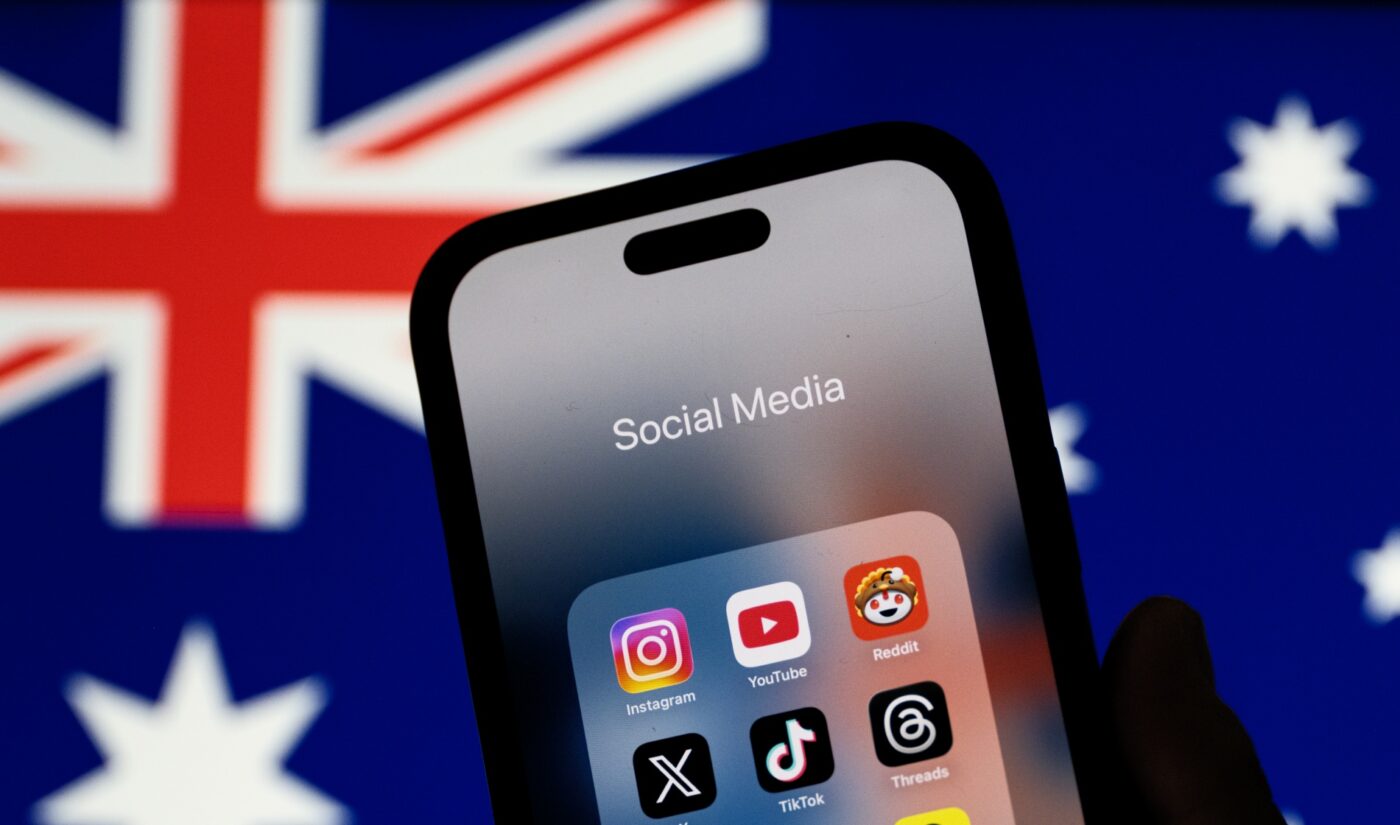
The Australian government has devised a new way to wring money out of social media platforms, and this time, news organizations stand to benefit. A proposed News Bargaining Incentive would introduce a new tax for Meta, YouTube, and TikTok, all of which would be required to deliver funding to traditional news providers.
The initiative is essentially an updated version of Australia’s News Media Bargaining Code, which passed in 2021. That piece of legislation allowed Australia to appoint independent arbitrators for deals between social media platforms and news orgs. That process, in theory, ensured that platforms paid a fair price for access to trusted news sources.
Major platforms didn’t care for the code, to the point that some of them threatened to block news items in Australia rather than agreeing to arbitration. The proposed update would counter that tactic. If the News Bargaining Initiative is passed, the targeted platforms would have their Australian revenue taxed if they choose not to make deals with commercial news publishers.

Subscribe for daily Tubefilter Top Stories
“[Journalists’ work] shouldn’t just be able to be taken by a large multinational corporation and used to generate profits for that organisation with no compensation appropriate for the people who produce that creative content,” said Australian Prime Minister Anthony Albanese during a press conference. “We think that investment in journalism is critical to a healthy democracy.”
Albanese’s administration has made multiple attempts to curb the power of social media companies. The most notable example of that effort is a controversial law that bans Aussie teens from accessing most major social feeds. Though platforms have complied with Canberra’s demands, teens have found numerous workarounds, leading some onlookers to brand the law as a failure.
The News Bargaining Initiative has drawn similar criticisms, with opponents describing it as misguided and overzealous. Meta stated that “the idea that we take [news organizations’] content is simply wrong,” while Google argued that the proposal “misunderstands how the ad market changed and mandates payments from some companies while arbitrarily excluding platforms like Microsoft, Snapchat, and OpenAI.”
It’s certainly fair to say that news organizations could use a boost on social media. That medium is increasingly popular as a news destination, but accounts tied to traditional publishers haven’t attracted as many followers as creators and other independent sources. As Commonwealth countries feel the impact of social media-based journalism, they are trying to figure out the best way to protect local reporters.
The News Bargaining Initiative, however, feels more like a power play than anything else. It is an attempt to determine how much control a federal government can have over the social media sector. Can Australia actually tax platforms, or will they push back as fiercely as they have against the teen social media ban?
We’ll find out in a few months. The new proposal is slated for introduction into the Australian Parliament by July 2, so the targeted platforms have some time to prepare counterarguments before the initiative receives official consideration.