In February 2025, YouTube turned 20. The video site has gone through a lot over the past two decades, including an acquisition, an earnings glow-up, and multiple generations of star creators. In our 20 Years of YouTube series, we’ll examine the uploads, trends, and influencers that have defined the world’s favorite video site — one year at a time. Click here for a full archive of the series.
2008 was the year the YouTube community awakened its collective political consciousness.
Several factors informed that trend. The 2008 U.S. presidential race, which ultimately resulted in the historic election of Barack Obama, united the platform like never before. Obama impersonator Iman “Alphacat” Crosson became one of YouTube’s biggest stars, LisaNova‘s Sarah Palin spoofs did big numbers as well, and CNN even teamed up with YouTube for a memorable debate collab.

Subscribe for daily Tubefilter Top Stories
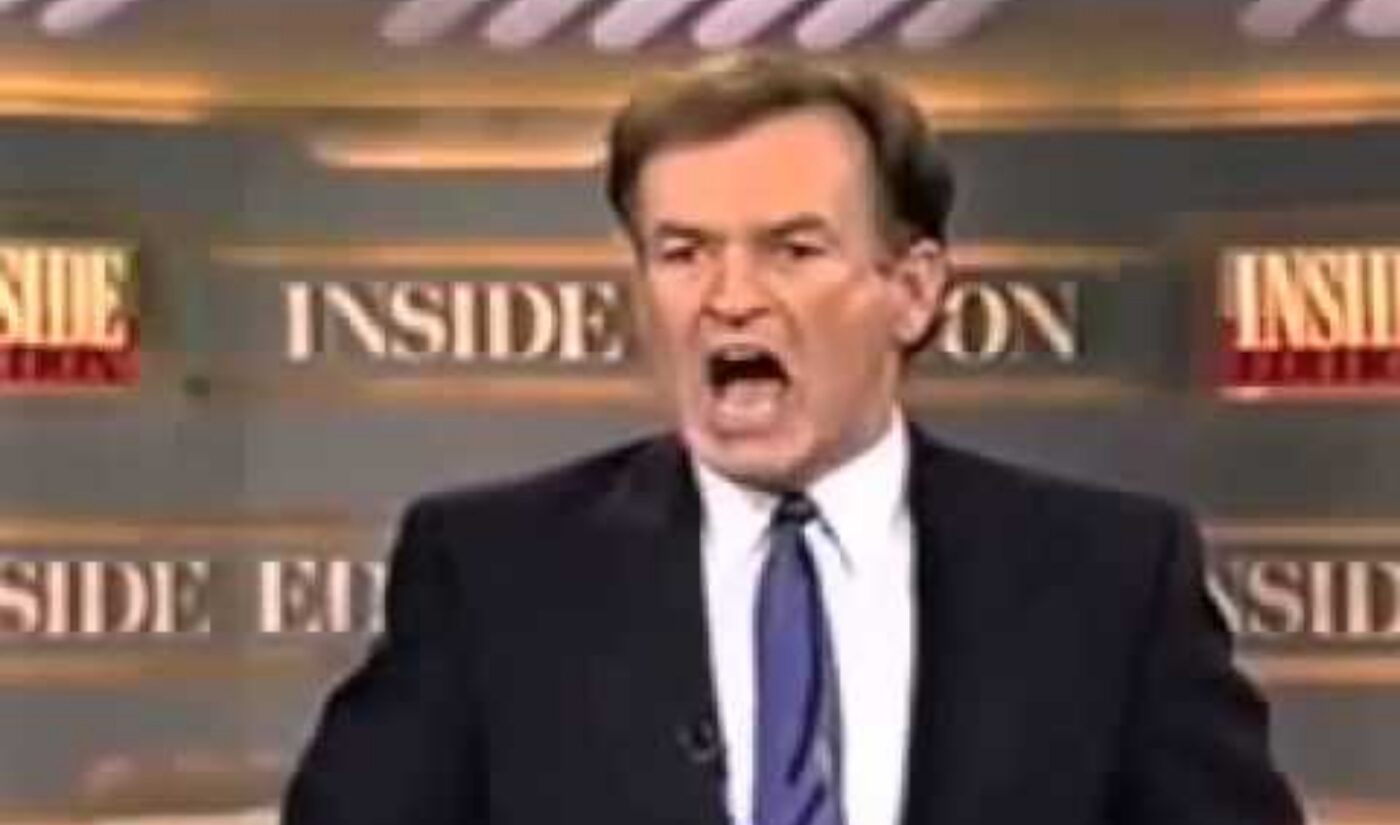
But if you ask me, the most notable political YouTube video of 2008 was an outtake recorded more than a decade earlier. It features a faulty teleprompter, a red-faced Bill O’Reilly, and a plethora of quotable lines that launched a slew of hilarious memes. O’Reilly’s off-air meltdown encapsulated everything YouTube was becoming: A political force, a haven for viral videos, and a driver of internet culture.
In the previous installment of this series, I talked about how YouTube’s rise re-centered digital content. By consolidating online video culture on a single platform, YouTube shifted emphasis away from the videos themselves and towards the creators of those videos.
But in those early YouTube years, some videos uploaded by faceless channels still managed to cut through the clutter and unite the masses. “We’ll Do It Live” is a perfect viral video, as there’s something for everyone here. The explosive temper tantrum over something so innocuous can be tied to the sense of absurdity that has long been part of internet culture. The final shot of O’Reilly raging on a silent set adds a dash of physical comedy. The video’s meme-worthy nature speaks for itself; even Family Guy got in on the fun.
The video may not have been a sensation if not for O’Reilly himself. In 2008, the irascible pundit was the face of a burgeoning media movement that was in the process of reshaping American political discourse. As Fox News rhetoric brought Tea Party figures like Palin to the fore, liberals sought outlets that met the rising right-wing tide with ridicule. For the YouTube generation, “We’ll Do It Live” offered the same sort of comedic catharsis TV viewers got from Jon Stewart’s Daily Show.
The 2008 election added political vectors to YouTube culture and changed the types of videos that tended to go viral. Another ubiquitous hit from that year featured students from the Ron Clark Academy in Atlanta, who put a presidential spin on the T.I. jam “Whatever You Like.”
In the current political climate, the inherent centrism of “You Can Vote However You Like” feels out of place. At the same time, there are a lot of parallels that can be drawn between YouTube’s first presidential election and its most recent. In both cases, digital platforms’ purported connections to young voters elevated creators to a higher tier of influence. In 2008, when YouTube decided to “do it live” in its own way — with an experimental, star-studded stream — both Alphacat and LisaNova performed their respective political impersonations.
The evolution of YouTube content over the past five presidential election cycles is mostly a shift in tone. Inspired by Obama’s appeal to hope, the creators of 2008 saw an opportunity to unify America by parodying both sides of its political spectrum. The viral videos of the day allowed millions of viewers to revel in shared laughter. These days, there’s more urgency, desperation, and divisiveness behind creators’ political rhetoric — and for good reason.
Perhaps a cultural phenomenon like Alphacat seems quaint to us now. But without his Obama impersonation, would we have creators running for Congress? Could the sharp, authoritative viewpoints associated with 2024’s “influencer election” have been cultivated without the silliness that came before? The Obama years showed YouTubers that they could command attention, even if many of those voices weren’t yet sure what they wanted to say.
And now, to play us out, here’s Sting.