There’s no question about it: YouTube absolutely dominates the under-12 entertainment experience. Recent data shows kids ages 2-12 watch an average of 106 minutes of YouTube content per day, making it the top platform for kids. Its viewership share for the kiddo demographic is more than double broadcast TV’s.
But the stuff kids watch there isn’t always good for them. Sometimes it’s what YouTube calls “low-quality content.”
And YouTube knows that. It also knows it’s had ongoing problems quality controlling content aimed at kids. You may remember 2017’s Elsagate, where videos of characters like Elsa from Frozen and Spider-Man were showing up on kids’ recommended feeds. The videos appeared normal on the surface, but often had disturbing and/or sexual content buried within.

Subscribe to get the latest creator news
To address these problems, YouTube has done things like push young users toward the family-friendly, advertising-absent version of its platform, YouTube Kids, and institute widespread demonetization of content made for children. In 2021, it started coming down harder on “low-quality content.”
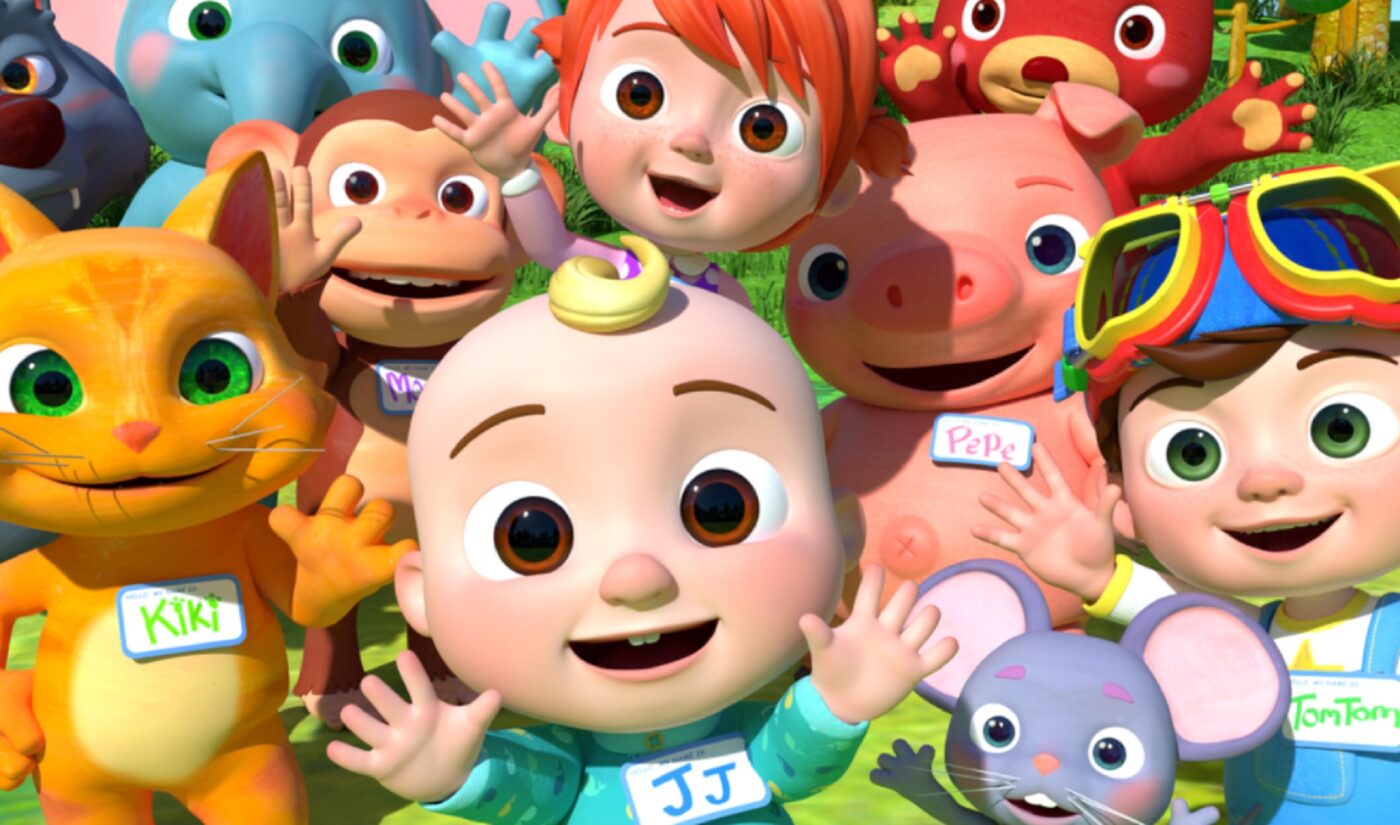
Now it’s doing even more. It’s joined with nearly 20 kids’ content creators and distribution companies, including Pinkfong, WildBrain, The Wiggles, and Cocomelon owner Moonbug, to form an initiative dedicated to “the development of high-quality, age-appropriate content for young people,” CEO Neal Mohan said in a statement.
The Youth Digital Wellbeing Initiative intends to “actively [limit] the reach of low-quality content,” YouTube added.
YouTube itself plans to do that through inbuilt features on its platform as well as “content creation tailored to local needs,” it said. Sounds like it might tweak its platform to further deprioritize content it considers unsavory. (Whether that deprioritization will include the deluge of AI slop Shorts currently infesting YouTube Kids–and YouTube in general–remains to be seen.)
YouTube said it’ll also work to enable “greater access to content that promotes media literacy and digital citizenship, fosters learning in and outside of the classroom, and supports development and wellbeing.”
It mentioned that it plans to directly support the creation and distribution of this content, so we’re guessing it might work directly with fellow initiative members like Moonbug and WildBrain to promote their content. Maybe it’ll even have a hand in production.
“The wellbeing of young people on our platform is a top priority at YouTube, and the Youth Digital Wellbeing Initiative builds upon our longstanding efforts,” Mohan wrote.
It’ll be interesting to see what emerges from this direct partnership between YouTube and some of the most prolific producers of kids’ digital content in the world. We’re also curious if other platforms, like TikTok or Snapchat, will get in on this too–but for now, with YouTube as the single largest content destination for kids, it’s making moves that could set a standard…if it can make good on the initiative’s intentions.