At the beginning of his second term as U.S. President, Donald Trump promised to negotiate a deal to keep TikTok running for American users. Though multiple suitors are queuing up for a chance to acquire the app, recent reports indicate that ByteDance might need some more convincing before it agrees to part with its prized possession.
Trump is looking for a deal that would give a U.S.-based entity — whether that be MrBeast or Oracle — 51% ownership of TikTok. The potential TikTok buyers are clear, but ByteDance has never indicated that it would be open to a divestiture deal (even when faced with a “divest-or-ban” law like the one passed in the U.S.)
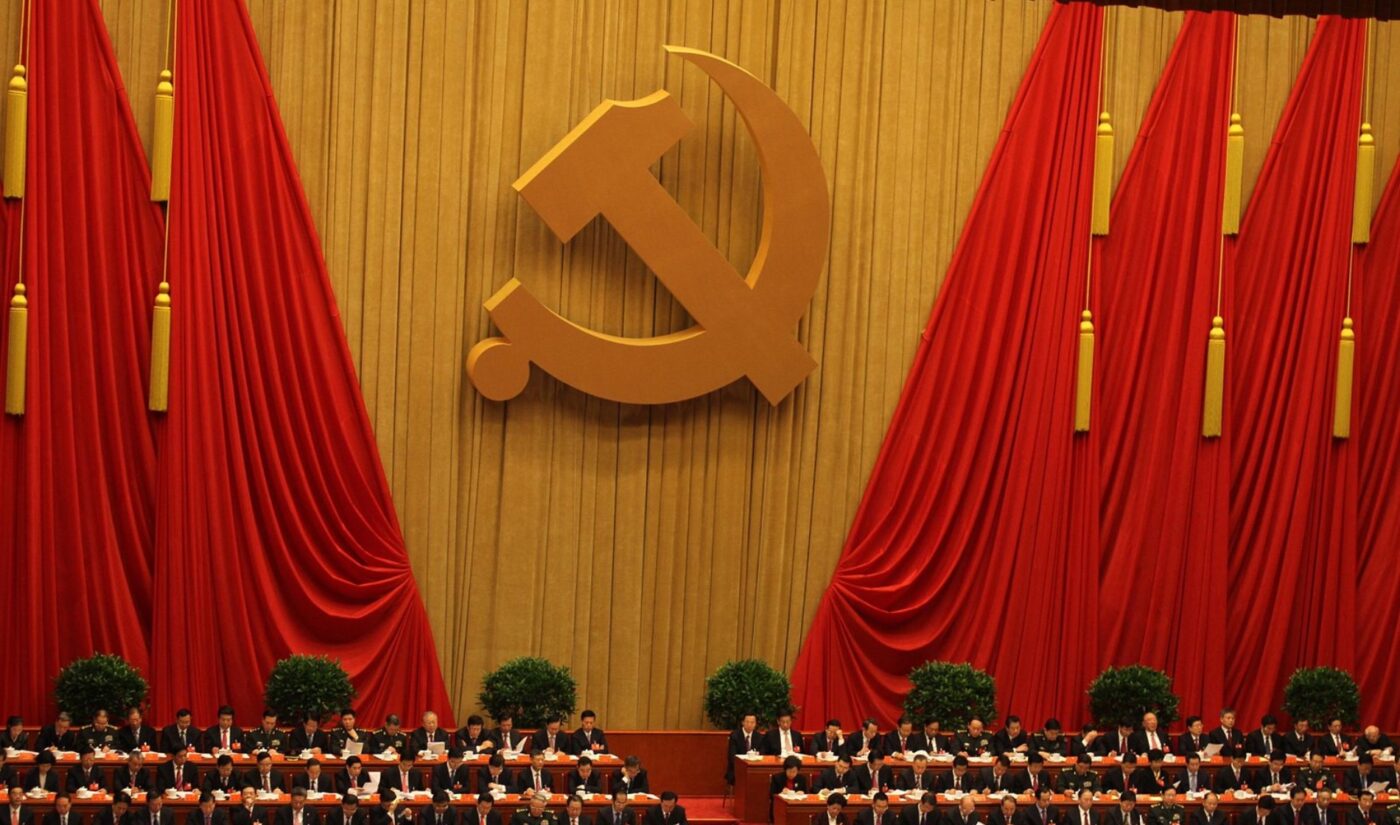
When Trump proposed his preferred solution shortly after retaking the Oval Office, the Chinese Foreign Ministry insinuated that it would let ByteDance negotiate its own terms with the U.S. government. That was a break from the Chinese Communist Party’s previous rhetoric. When the idea of a TikTok sale was first floated, Chinese leadership indicated its staunch opposition to any U.S.-led TikTok divestiture.

Subscribe for daily Tubefilter Top Stories
Even if ByteDance is free to do business with the U.S. on its own accord, the Beijing-based tech giant still seems to be deferring to national powers. According to a Washington Post report, ByteDance is looking to the CCP for approval, and the Chinese government has yet to determine whether it wants to sign off on Trump’s proposal. The report claims that authorities in Beijing are willing to let TikTok’s operations cease in the U.S. unless a “grand deal” is proposed.
The U.S.-backed divestiture deal faces a long road ahead unless public sentiment shifts in China. Intense U.S. scrutiny of TikTok CEO Shou Zi Chew turned him into a public hero in China, where he is seen as an iconoclastic figure who is resisting strongarm tactics. That sentiment is still prevalent on Chinese social media, and the national government may prefer to stand up to American bullying rather than keep the lights on at TikTok’s U.S. offices.
If TikTok does in fact go dark, the other major platforms in the social media industry are ready to pick up the scraps. Snapchat CEO Evan Spiegel recently noted that a TikTok ban would likely benefit his company, and YouTube is starting to speculate on the potential failure of the Trump divestiture deal. The Google-affiliated giant is buying TikTok ads to convince creators to jump ship, so that tells you how much faith YouTube has in its rival’s American future.