Like many tech companies, Lenovo is firmly on the AI bandwagon. Last April, its chairman and CEO Yang Yuanqing called the next 10 years Lenovo’s “AI decade,” saying that its product development, investments, and corporate culture will all be bent around one core concept—”making AI accessible and beneficial to every enterprise and individual.”
This is apparently working out for it: In recent quarterly earnings, Lenovo said AI-related sales now account for 30% of its total revenue, and that revenue overall rose 15% year over year.
One of its AI moves in 2025 was to bring that “every enterprise and individual” approach to creators by launching Make Space, which it describes as a “URL and IRL platform aimed at bringing the creative community together to discover new opportunities, possibilities and forms of expression with AI, powered by Lenovo Yoga.”

Subscribe for daily Tubefilter Top Stories
Make Space had a splashy launch in Feb. 2025, bringing music and visual artists like Rebecca Black, Doss, Osean, Yehwan Song, Nicola Formichetti, and EricDoesVFX to Brooklyn for an AI-celebrating get-together.
Then, in December, it launched the Make Space Network in partnership with creative studio Sounds Fun. The goal with that? To host an “AI-powered, digital third space [that] brings people together for potential connections, unconventional projects, and novel partnerships.”
Basically, Make Space Network is a platform that uses AI to match like-minded creators for potential partnerships.
Per Dazed, users answer a series of questions when they join the network, and Make Space’s algorithm will pair them with a creative partner who might be on their wavelength. The two then take their conversation to email, as an example on Make Space Network’s landing page shows.
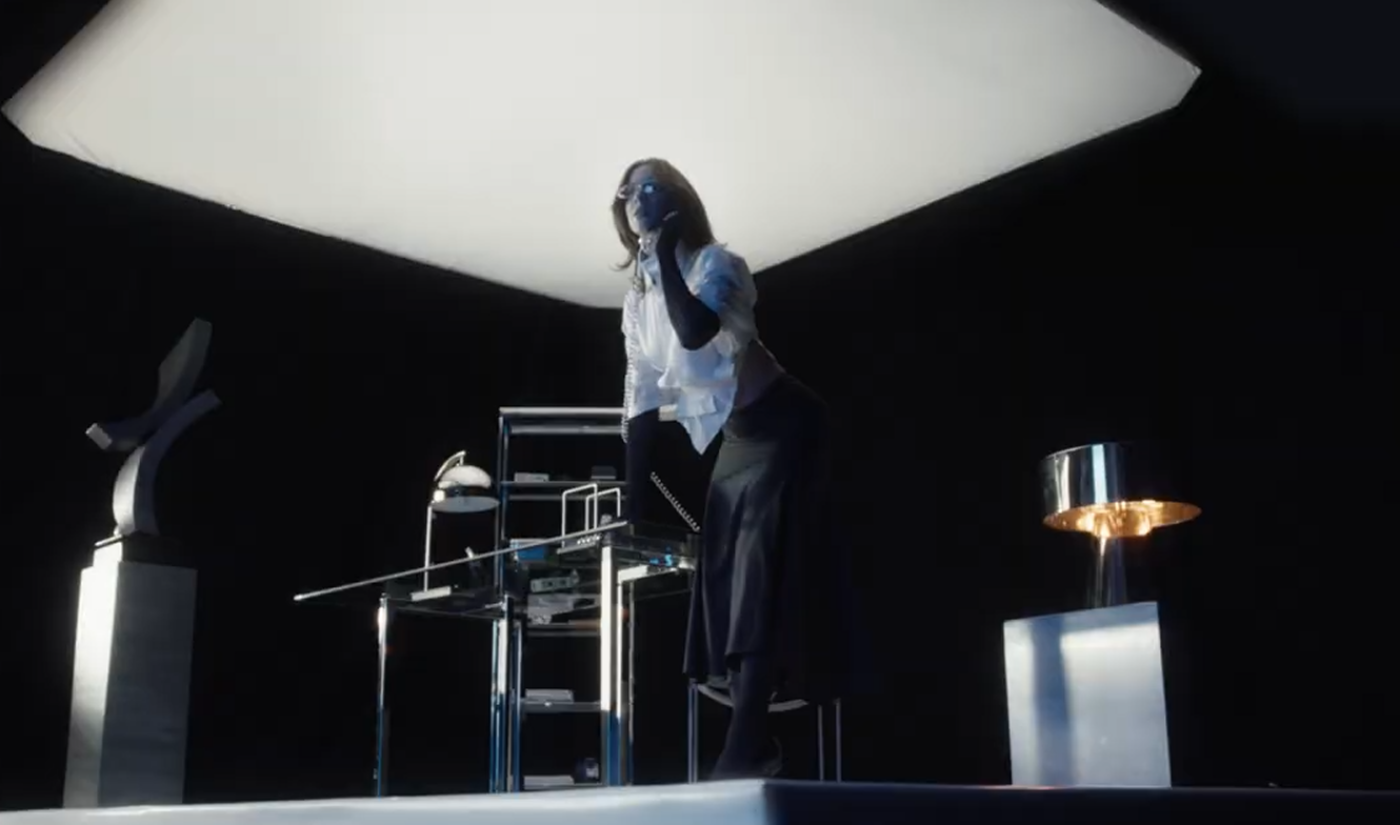
Among the first creators to join were photographer/social content creator Illumitati, artist and designer Isabella Lalonde, and visual artist/musician Osean. The three filmed a promo video for Make Space and Lenovo’s AI tech; in it, Illumitati says she likes what Lenovo offers because it lets her “build on that tension between real and surreal.”
“I create to give other people a world to escape to,” she says. “Nothing is ever finished when you’re a creative mind.”
“We built this Network not to replace real connection, but to soften the hardest part: the beginning,” Martin Magner, co-founder and CCO of Sounds Fun, tells Tubefilter. “Leveraging AI to help connect like-minded creatives, the tool removes some of the friction and fear that stops people from reaching out in the first place. It creates a gentler entry point, one where you’re not shouting into the void or forcing yourself into rooms that don’t feel right. Creativity doesn’t thrive in isolation, it needs mirrors, conversations, shared momentum. Sometimes all it takes is one aligned connection to unlock something that’s been stuck for months.”
He added, “The AI landscape is incredibly polarizing. At Sounds Fun we’re always looking to create tools and experiences with emerging tech to ensure this can all mean more creative opportunities, not less. The Make Space Network is more than a network, it’s a permission slip for young creatives to reach, share, and create without fear.”
We’re not surprised Lenovo thought to create this. Magner is right: AI is polarizing, and the majority of artist meet- and makerspaces are against it. That leaves limited options for proponents to post when they want to find a creative partner. There’s also been a push in the digital creator economy for more community makerspaces overall, which has resulted in initiatives like Lighthouse.
It wasn’t initially clear if the Make Space Network would offer participants anything other than creative matches (Lighthouse, for example, offers career development and education/mentorship from experts and executives). A rep tells Tubrfilter the network “will smart-prompt creator connections based on their shared interests, making creative collaboration seamless and exciting.”
Lenovo says the Make Space initiative overall will result in online and offline “cultural collaborations with digital pioneers, publishers and platforms, crafted thought leadership, and brand experiences.”
Jen Lowell, Lenovo’s Head of North America Integrated Marketing, adds, “At Lenovo, we believe technology should empower everyone to create, connect, and push boundaries. The Make Space Network embodies this vision fully by giving young creatives the platform and the confidence to turn ideas into action. By combining imagination with smarter tools, we’re helping build a world where innovation isn’t limited by access or opportunity.”