WHO AM I?
My name is Scott Brown, founder and CEO of Second Rodeo, and I have been telling stories on YouTube since it was a dating site. For the past 15 years, I have built my career, serving as a producer, writer and director for some of the biggest names in the industry. I’ve crashed a train with MrBeast, launched The Rock’s YouTube channel, and directed an Emmy-nominated series with Larry King. But through all the stunts, shows, and subscribers, I’ve been waiting for one thing to finally break through online: scripted storytelling.
That moment has arrived.
But let’s take a look at how we got here.

Subscribe to get the latest creator news
YOUR WEB TV HISTORY LESSON
Half of you may not remember Web TV but I certainly do–the halcyon days of 2008. Simpler times. I had just graduated from USC with a degree in screenwriting. Just in time for the writer’s strike that year. Perfect timing. I found work at a company cataloging online video via manual data entry. It led me to discover this thing called “web series.”
With all the spare time on their hands, many big writers and directors had turned to the internet to express their creativity. Many budding storytellers followed in their wake. Back then, there were meetups hosted by this very publication. It felt like TV—but new. There were web series like Felicia Day’s The Guild and Dr. Horrible’s Sing-Along Blog, starring Neil Patrick Harris. It felt like something big was coming. But for most, it never quite arrived.
There were some breakout successes: Issa Rae, Derrick Comedy, and Good Neighbor all found their way to television. But there were just as many false starts. Companies like Sony Crackle, YouTube Originals, and Quibi tried to make scripted digital work. Many projects never got off the ground. Many talented, hardworking people never saw their scripted careers materialize.
Now, after nearly two decades of trying to get it right—we are finally on the brink of something incredible.
THE TWO PILLARS OF THE SCRIPTED DIGITAL BOOM…SO FAR
The creator economy grows seemingly exponentially every year, with its influence and revenue greater than ever. Where once digital was seen as an outside force to support legacy media, we’ve seen a reversal—legacy being metabolized by digital.
And yet, the vast majority of creator economy content is unscripted. Jimmy Donaldson AKA MrBeast is on the record in numerous podcasts making it an important point that his content is not scripted. Creators care deeply about authenticity, and so do audiences, but modes of authenticity are expanding.
In more recent years there have been two sectors of digital that herald the moment I have been waiting for: A sustained audience desire to consume scripted entertainment on digitally native platforms; and creators and channels that produce scripted work consistently, that perform extremely well on major platforms such as YouTube, TikTok, and Facebook.
On YouTube, you have creators like Dhar Mann, Alan Chikin Chow, and Kinigra Deon. Dhar produces five episodes weekly and earns billions of views monthly. Alan has a universe of characters. Kinigra’s movie-esque content is watched most on the YouTube TV app. If you look deeper, there are numerous relatively new channels on YouTube following their lead, making scripted content with 100K+ views and viral hits in the millions.
Beyond YouTube, we have TikTok shows like The Group Chat by Sydney Jo Robinson, that quickly went viral, with the first episode gaining over 30 million views.
These platforms are taking notice. YouTube recently announced its TV app will allow creators to present videos in intended order—perfect for serialized storytelling. The writing is on the wall.
We also have vertical microdramas. While scripted content is gaining traction across platforms, a second major pillar of the boom is quietly thriving: vertical microdramas. In 2024 alone, they generated over $1 billion in U.S. revenue—a number expected to double in 2025.
They’re often called vertical microdramas, but I prefer “vertical series”—because I believe nearly every genre will soon thrive in this format.
If you’re unfamiliar, these shows originated in China, where they recently out-earned the country’s entire box office. Think of them as 90-minute movies, broken into 75-second vertical episodes.
Their monetization model borrows from mobile gaming: the app is free, the first handful of episodes are free, and then viewers pay per minute to continue. And people are paying. Globally, these apps now generate $1.7 billion, with the U.S. accounting for roughly 60% of that total. By the end of a series, a viewer might spend $15–25—without any A-list talent or existing IP. (Though some vertical actors now command six-figure salaries.)
It mirrors the early studio system: high volume, actors on contract, and tight, low-six-figure budgets.
Critics often knock the quality—but beneath the low-production polish, there’s real screenwriting craft. Audiences are hooked by the fast pace, wild twists, and emotional urgency. And we are already seeing media companies like Televisa enter this space. With revenue in the 9-figure range for some of these companies, it would make sense that major streamers would be looking at this soon too.
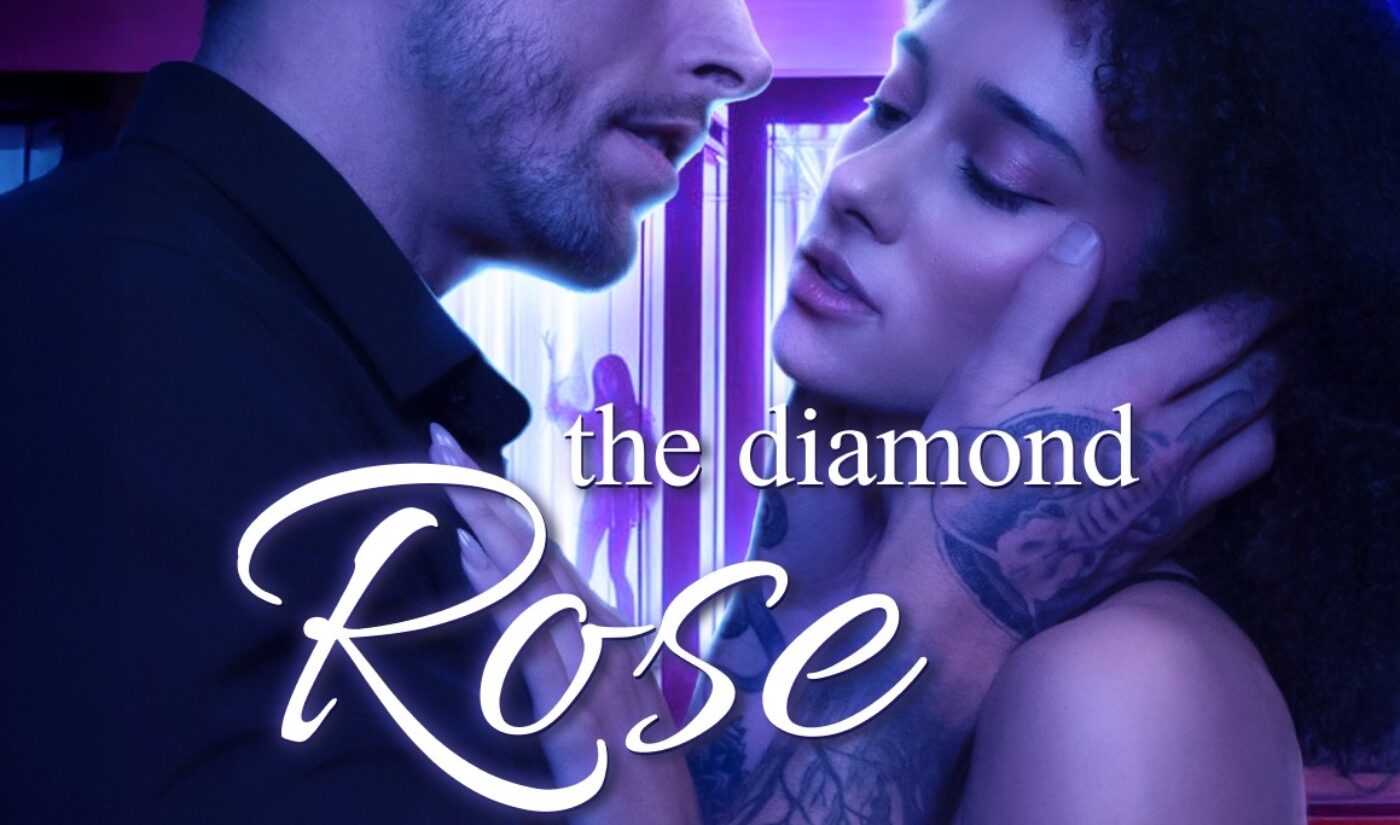
This summer, Second Rodeo Productions released a vertical series of our own, The Diamond Rose, on the app My Drama, among the leading distributers of vertical series. We were given something rare: a high degree of creative control. Our goal: give the audience what they love—elevated in ways they feel. So far the response has been strong and data from My Drama indicates audiences are responding to the thesis.
If audience behavior continues to grow in this sector, I think this will be one of the most exciting places for filmmakers in the entertainment industry. It is my hope that like the other scripted digital content being made across the internet, we are in the early days of this vertical medium. It’s not TV on our phones. It’s something new.
And with it, a sustained audience behavior and organic drive to consume and pay for digitally native scripted stories.
THE NEW RULES OF DIGITAL SCRIPTED
It has always been true that digital stories fail when they try to just take TV and put it on the internet. That is just as true today. I’ve worked on scripted stories across many formats—web series, shorts, digital originals, and I can tell you: the fundamentals haven’t changed. Our goal should be to transpose the values of film and TV into this new medium. A few rules hold true:
- Meet the Audience Where They Are – The most successful of these series give audiences what they crave, in the style and format they gravitate toward.
- Data and Intuition Go Hand in Hand – The best creators use both algorithms and instinct. Data provides a framework, not a prescription.
- The Cadence of Digital – TikTok and YouTube have trained audiences to expect constant stimulation. The best storytellers deliver frequent entertainment while building long-term payoffs.
- The Tools of Speed – Tropes and genre are shorthand that engage viewers fast. They’re powerful when paired with originality.
- Give Them More – Audiences want rich, emotionally satisfying, time-respecting stories. If you deliver that, they’ll binge 50 one-minute episodes.
WHAT THIS MEANS FOR ALL CREATORS
I have a firm belief that the word “creator” will soon mean anyone telling any kind of story. The creator economy will again be seen for what it truly is: a broad, interdisciplinary movement of people making things that matter.
As this space evolves, I think three key attributes will define all scripted creators:
- Format Fluency – Understand the language of the medium. YouTube, TikTok, vertical apps—each has its own grammar.
- Audience Empathy – Know who you’re making stories for. Social platforms are a powerful feedback loop.
- Creative Authenticity – You have to show the world some real part of yourself. Even if they don’t always get it, with persistence they will.
When film started, Charlie Chaplin was falling down a lot. Not too long after, he was making The Great Dictator and performing one of the greatest monologues in movie history. He was also still falling down, still entertaining millions. We are in the early days of the scripted digital boom. It will be fascinating to see where we go.
IN CLOSING
There’s a song I love by LCD Soundsystem called “Losing My Edge,” about the fear of losing relevance as one gains years. By many measures I’m a veteran in digital. But like the words in the song, through all the ups and downs, “I was there.”
And I’m still here.
And here is now a home for scripted stories. A place where storytellers can find audiences not just waiting–but clamoring for more. A hopeful place–a shelter from the tumult of the rest of the entertainment industry–creatively vibrant, financially exciting. A scripted boom in digital is happening.
So to any creative person with a story in their heart, now I say:
Welcome home.
Now, let’s get to work.